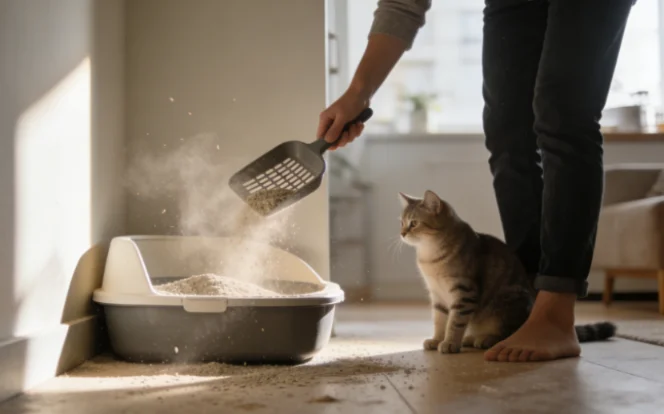
الغبار ليس مشكلة "إزعاج طفيف". إنها واحدة من أسرع الطرق التي يتحول بها منتج نفايات القطط إلى شكاوى وإرجاع ، وأن مراجعة واحدة لا يمكن لأحد عدم رؤيتها. تشوفه عندما تسكبه وتشعر به على الأرض بالقرب من صندوق القمامة. في المنازل الأكثر ضيقا، يمكنك حتى أن تشم "الهواء القمامة" بعد إعادة التجديد الطازج.
تبدأ التحكم الجيد في الغبار قبل العلامة التجارية أو العطر أو شارة "الغبار المنخفض". يبدأ مع اختيار المواد، ثم يتم تشكيلها من خلال التحكم في الجسيمات، والتعامل، واتساق الدفعة.
لماذا التحكم في الغبار هو مسألة على مستوى المنتج وليس علامة
يسأل العديد من المتسوقين أي قمالة قطة هي منخفضة الغبار لأنهم يريدون إجابة بسيطة. الحقيقة المزعجة هي أن سلوك الغبار يأتي من سلسلة: المواد → حجم الجسيمات → غرامات → الشحن والاستخدام. يمكن للمنتج اختبار "الغبار المنخفض" في غرفة نظيفة ، ثم يصل إلى الغبار بعد اهتزاز النقل والتجفيف في الحياة الحقيقية.
عندما تتعامل مع غبار قمامة القطط كمشكلة في نظام المنتج ، تصبح القرارات أسهل. تتوقف عن الجدال حول كلمات التسويق وتبدأ في إصلاح الأسباب الجذرية التي تظهر في المنازل.
صب الغبار مقابل الغبار في الاستخدام
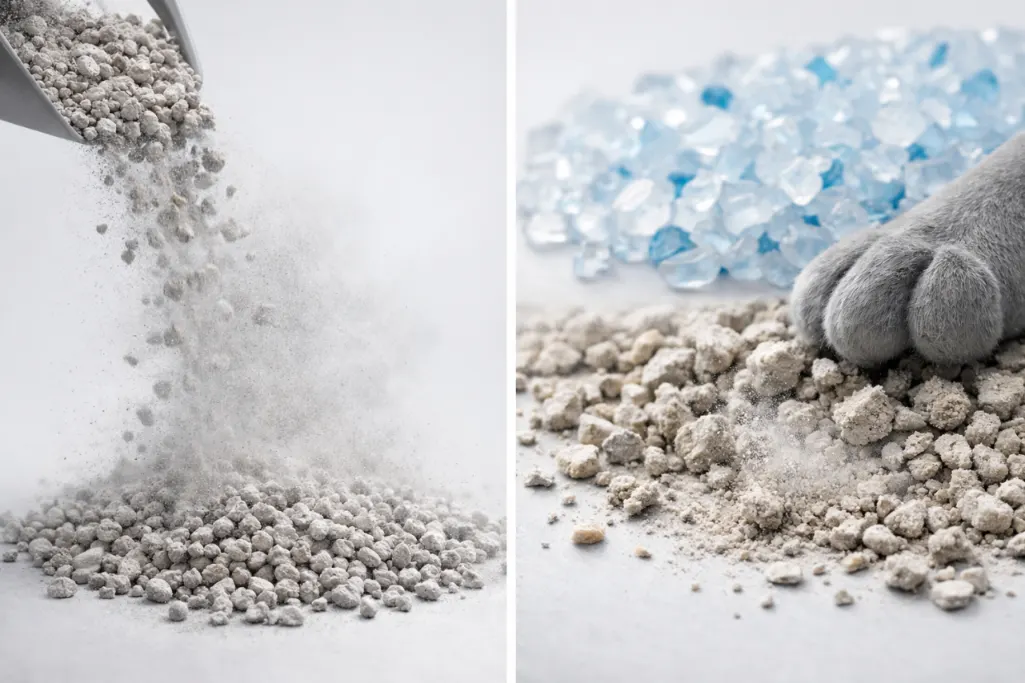
صب الغبار هو ما تراه أثناء تفريغ الكيس أو تعبئة. غالبا ما تكون مدفوعة بالغرامات الجلوس في أسفل الحقيبة. صب الثلث الأخير بسرعة كبيرة وتحصل على أكبر سحابة. هذا هو السبب في أن "غبار الانطباع الأول" يمكن أن يكون أسوأ من الغبار اليومي.
الغبار أثناء الاستخدام هو ما يتشكل بعد أسبوع من الحفر والكشط وكسر العنقود. هذا الغبار هو غبار الاحتكاك. يتم إنشاؤه عندما تطحن الحبيبات تحت الكفوف والمكشاف.
كلاهما مهم لكنهما ليس لهما نفس السبب. تعاملهم مثل مشكلة واحدة وأنت في نهاية المطاف إصلاح لا.
لماذا يشعر الغبار أكبر من الشكاوى الأخرى
الغبار مرئي. انها تهبط على الأسطح. يمكن أن يؤدي إلى العطس ، ويجعل المنزل يشعر بأقل نظافة حتى لو كانت الرائحة جيدة. سيتحمل بعض المستخدمين تجمع أضعف ، لكنهم لن يتسامحوا مع هذا الفيلم المغبار على الأرض حول الصندوق.
لهذا السبب التحكم في الغبار القمامة القطة الادعاءات تحكم بشدة. الناس يختبرونها بعينهم.
كيف يحدد اختيار المواد سلوك الغبار
المواد تحدد السقف الخاص بك. الإنتاج يحدد أرضيتك. إذا كانت المادة الأساسية تميل إلى الانهيار ، فستحارب الغبار إلى الأبد. إذا كانت المادة الأساسية صلبة بطبيعة الحال ، فإن التحكم في الغبار يصبح أكثر واقعية ، لكنك لا تزال بحاجة إلى التحكم الجسيم الجيد.
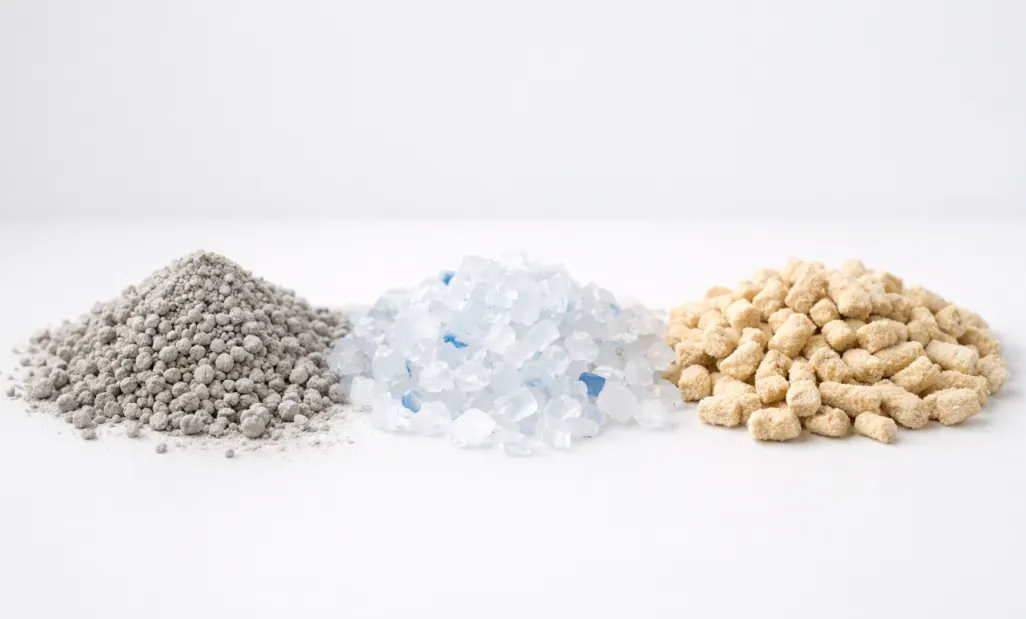
عند مقارنة الغبار عبر المنتجات، فإنه يساعد على الحفاظ على الصورة الأكبر للمواد في الاعتبار. كل من البنتونيت والكريستال والتوفو والكانافا يتحلل بطريقته الخاصة ، لذلك يمكن أن يعني "الغبار المنخفض" أشياء مختلفة اعتمادا على مصنوعة القمامة. مسح سريع من أنواع مختلفة من قمامة القطط نظرة عامة تجعل هذا التباين أسهل تتبع بينما تقرأ بقية هذا القسم.
القمامة القائمة على الطين: الجسيمات الدقيقة والتكسير
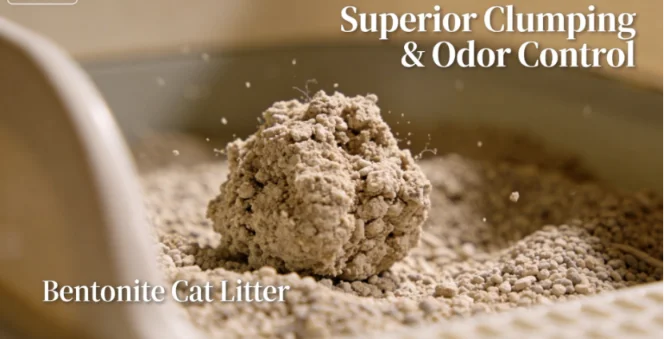
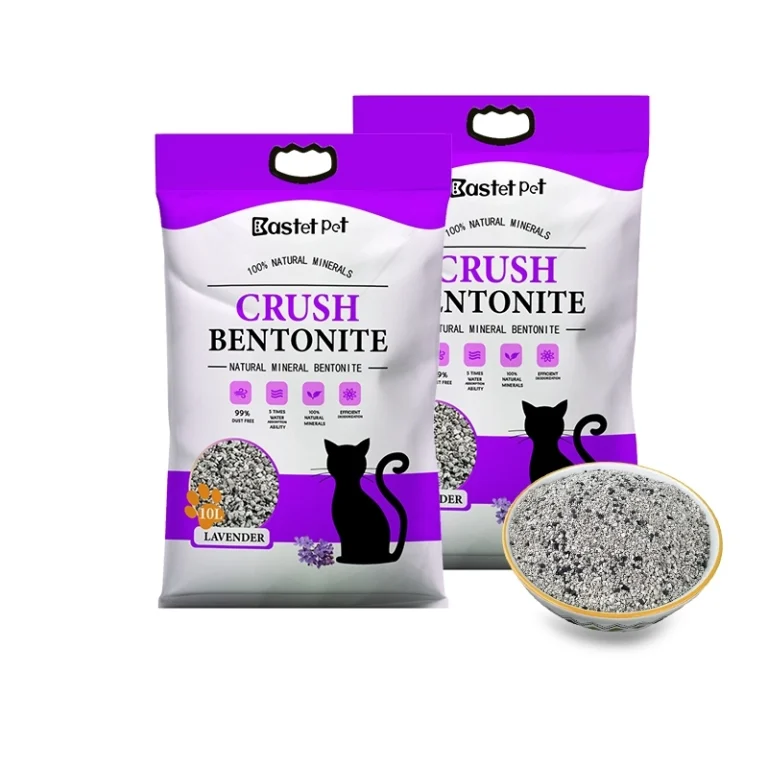
تعود معظم شكاوى غبار القمامة الطينية للقطط إلى مصدرين: الغرامات الموجودة مسبقا والتآكل المستمر. يمكن لمنتجات الطين أن تحتوي على المزيد من الجسيمات الصغيرة بطبيعتها ، ويمكن للنقل هز المزيد من الدقيقات فضفاضة. ثم صندوق القمامة يقوم بشيئه. الحفر، وإزالة العنقود، وتشغيل خلق الإجهاد المتكرر.
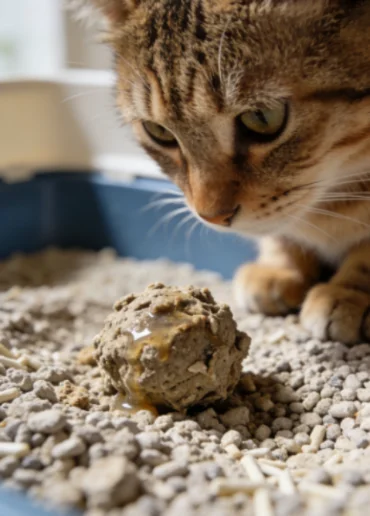
كما أن الطين لديه مشكلة "مضاعفة" الغبار: يمكن أن تكسر الكتل أثناء التجفيف. وتجف هذه الشظايا المكسورة وتتحطم إلى جزيئات أصغر، خاصة في صناديق مزدحمة متعددة القطط. لا يزال يمكن وضع الطين كقمامة قطة منخفضة الغبار ، ولكن الطريق ضيق. التحكم في حجم الجسيمات والفحص والكتلة القوية مهمة كثيرا.
القمامة الكريستالية: صلابة الحبيبات ومقاومة الغبار
غالبا ما تبدأ نفايات القطط الكريستالية (القائمة على السيليكا) بميزة: حبيبات أقل صلابة وأقل غرامات مسحوقية. هذا هو السبب في أن منتجات الكريستال يمكن أن تبدو أنظف عند صبها تحت ضوء قوي. الغبار لا يختفي سحريا، ولكن عادة ما يكون من الأسهل الحفاظ على منخفض.
كريستال هو أيضًا المكان الذي يشوش فيه العملاء. العديد من المنتجات الكريستالية لا تتجمع بالطريقة التي يفعلها الطين ، لذلك يستخدم الناس إيقاع التنظيف الخاطئ ثم يلومون "التحكم في الرائحة" أو "الغبار" عندما يتدهور الصندوق في وقت متأخر من الدورة. إذا كنت تريد تفاصيل الآلية وراء هذا السلوك، قطعة الدعم الخاصة بك على مواد القمامة القطة الكريستالية يجب أن يكون الغوص العميق الداخلي للإشارة إلى هذا القسم.
المواد المختلطة: تقليل الغبار أو مخاطر جديدة؟
يمكن لقمامة القطط المختلطة تقطيع الغبار ، لكنها يمكن أيضًا إنشاء أوضاع فشل جديدة. يمكن لخلط الجسيمات الأكبر والأسلس مع قاعدة عرضة للغبار تقليل الغبار المحمول في الهواء على المدى القصير. المخاطر هي الاتساق. إذا انزلقت نسبة التحكم، تزداد شكاوى الغبار. إذا كانت أحجام الجسيمات تقاتل بعضها البعض ، يمكنك الحصول على الفصل في الكيس ، ثم "صب الغبار أولاً" حتى عندما يكون الخليط جيداً على الورق.
اختلافات سلوك الغبار حسب نوع مادة القمامة القطة
| نوع المواد | مستوى الغبار النموذجي | لماذا يحدث الغبار | صعوبة التحكم |
|---|---|---|---|
| الطين (البنتونيت) | متوسطة إلى عالية | الجسيمات الدقيقة ، التآكل ، انهيار العنقود | متوسطة |
| كريستال (السيليكا) | منخفض | غرامات سطحية طفيفة، كسر حبيبات من وقت لآخر | منخفض |
| التوفو / على أساس النباتات | منخفض إلى متوسط | كسر الألياف ، انهيار مدفوع بالرطوبة | متوسطة |
| مواد مختلطة | متغير | أحجام الجسيمات المختلطة، انجراف النسبة، الفصل | عالية |
عوامل الإنتاج التي تؤثر على التحكم في الغبار
بمجرد اختيار المادة، يقرر الإنتاج ما إذا كان الغبار يبقى مستقرا على نطاق واسع. هذا هو المكان الذي تفشل فيه العديد من ادعاءات "الغبار المنخفض" بهدوء.
توزيع حجم الجسيمات والفحص
توزيع حجم الجسيمات ليس مواصفات مستحضرات التجميل. إنه مواصفات الغبار. عادة ما تعني نطاقات الحجم الواسعة المزيد من الغرامات. المزيد من الغرامات يعني المزيد من صب الغبار والمسحوق المتتبع.
يساعد الفحص ، ولكن فقط عندما يكون متسقاً ولا يعامل كحل لمرة واحدة. إذا سمحت العملية بالكثير من الغرامات إلى المنتج النهائي ، فإن الحقيبة ستفصل نفسها أثناء الشحن وسوف يراها العميل على الفور.
تأثيرات النقل والتعامل
اهتزاز الشحن هو آلة الغبار. الحقائب تفرك. رقاقة حبيبات. الغرامات تنتقل للأسفل. حتى يمكن أن تصل دفعة إنتاج كبيرة مع طبقة أسفل غبار إذا لم تحمي التعبئة والتغليف والتعامل مع المنتج.
هذا هو أيضًا المكان الذي تبدأ فيه حقيقة العلامة التجارية: لا تتحكم في كيفية نقل منصة في مستودع. يمكنك التحكم في مدى نجاة منتجك.
اتساق الدفعة وآثار المقياس
يمكن أن تبدو العينات الصغيرة مثالية. ثم ضربات مقياس. تختلف المدخلات الخام. تظهر انحراف المعدات. يمكن للتغيير الصغير في محتوى الرطوبة أو الفحص تغيير شعور الغبار.
هذا هو السبب في أن التحكم في الغبار هو موضوع أداء المنتج ، وليس موضوع كتابة النسخ. إذا كان هدفك هو عدد أقل من الشكاوى ، فأنت بحاجة إلى عملية مستقرة ، وليس صفات أفضل.
الآثار العملية لتطوير المنتجات والمصادر
إذا كنت تبني مجموعة تجارية بالتجزئة ، يجب ربط التحكم في الغبار بموقع واضح:
- استخدم الخيارات القائمة على الكريستال عندما يكون الغبار المنخفض مرئيًا وعدًا كبيرًا ويمكن شرح روتين التنظيف دون إرباك المشترين.
- استخدم الخيارات القائمة على الطين عندما يكون التجميع هو التوقع الافتراضي ، ولكن تعامل مع التحكم في الغرامات كمتطلب لا بد منه.
- استخدم مواد مختلطة عندما يكون لديك انضباط العملية لحماية النسب واستقرار الجسيمات عبر الدفعات.
حيث أهمية القدرة متعددة المواد في الإمدادات الحقيقية
باست (تيانجين) منتجات الحيوانات الأليفة المحدودة، المشار إليها باسم Bastet الحيوانات الأليفةيدعم العديد من المواد السائدة لقمامة القطط ، بما في ذلك الكريستال (السيليكا) والخيارات القائمة على الطين ، بالإضافة إلى الفئات القائمة على النباتات. هذا النطاق مهم عندما لا تتابع مادة واحدة "أفضل"، ولكن بناء مجموعة مستقرة تناسب الأسواق وأنماط الشكاوى المختلفة. يساعدك المورد الذي يمكنه تشغيل أنظمة المواد الموازية على الحفاظ على أهداف الأداء المتسقة عبر وحدات SKU ، سواء كان الهدف هو وضع الغبار المنخفض ، أو سلوك التجميع القوي ، أو هيكل التكلفة المتوازن. بالنسبة لفريق المنتجات ، تتمثل القيمة العملية في المرونة أثناء الاختبار ، بالإضافة إلى الانتقالات الأنظف عندما تتوسع من العينات إلى تكرار الطلبات وتحتاج إلى استقرار من دفعة إلى دفعة.
أسئلة متكررة
Q1: ما الذي يسبب غبار قمامة القطط في المنازل الحقيقية؟
ج: يأتي معظم غبار قمامة القطط من غرامات في الكيس ومن تحطم الحبيبات مع مرور الوقت بسبب الحفر والتجفيف والشظايا الكتلية وتنهير.
س2: أي قمالة القطة هي الغبار المنخفض في معظم الوقت؟
ج: غالبا ما تكون القمامة الكريستالية (السيليكا) غبارًا منخفضًا لأن الحبيبات صلبة وتقاوم الطحن ، ولكن النتائج الحقيقية لا تزال تعتمد على التحكم في الغرامات والشحن وكيفية الحفاظ على الصندوق.
Q3: هل يمكن جعل نفايات القط الطينية منخفضة الغبار؟
ج: نعم ، لكنه عادة ما يحتاج إلى فحص أكثر صرامة ، وتحكم أفضل في حجم الجسيمات ، والكتل التي تقاوم كسر أثناء التجفيف. وبدون ذلك، يميل الغبار إلى الزيادة مع مرور الوقت.
س4: لماذا تصل القمامة ذات الغبار المنخفض أحياناً إلى الغبار بعد الشحن؟
ج: يمكن للاهتزاز النقل شرائح الحبيبات ونقل الغرامات إلى أسفل الكيس. قوة التعبئة والتغليف وظروف التعامل تؤثر على مقدار الغبار يظهر عند صب أول.
Q5: هل تقلل منتجات قمامة القطط المختلطة من الغبار بشكل موثوق؟
ج: يمكنهم، ولكن الأداء أكثر تغيرا. يجب أن تبقى نسب الخليط وتوافق حجم الجسيمات مستقرة عبر الدفعات ، أو يمكن أن يتأرجح سلوك الغبار من شحنة إلى أخرى.