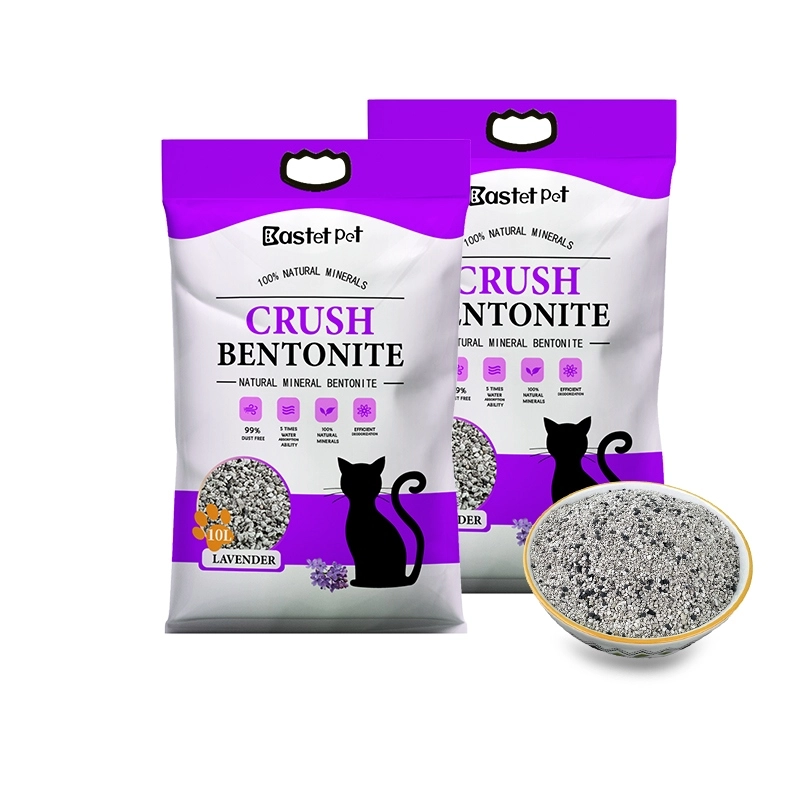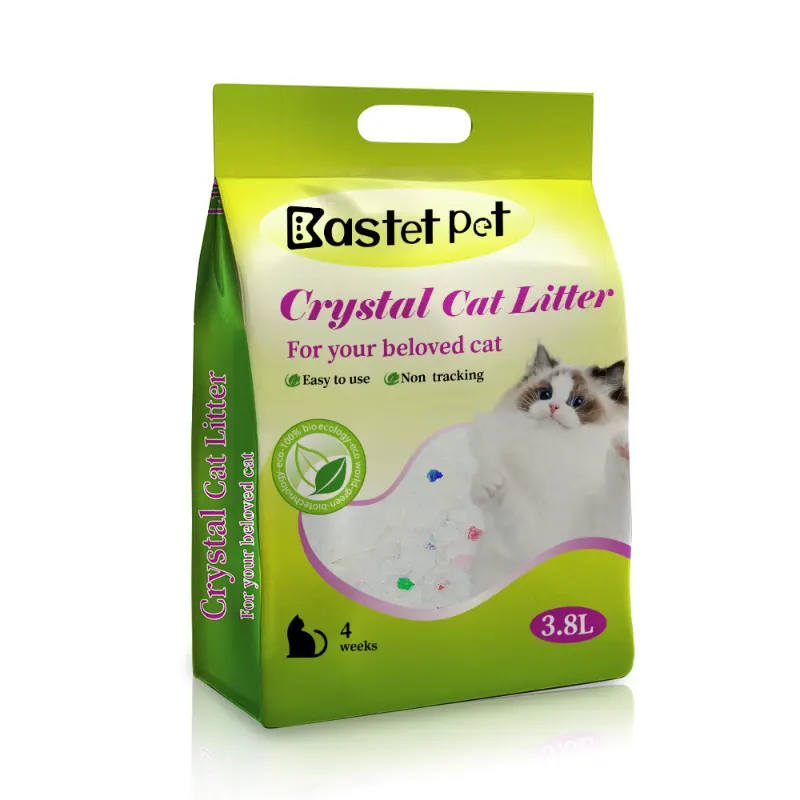
"قمامة القط الكريستالية" تبدو مثل لقب رائع ، لكنها فئة مادية حقيقية مع سلوك محدد جدا في صندوق القمامة. إذا كنت تقوم ببناء أو الحصول على مصادر أو تحسين خط القمامة القط بالتجزئة ، فإن المادة وراء القمامة الكريستالية ليست تافهة. إنه يشكل الغبار ، والتحكم في الرائحة ، ومدة شعور الصندوق "الطازج" ، وحتى كيف يحكم العملاء على القيمة بعد الأسبوع الأول.
هذا المقال يقطع ما بلورات القمامة القطة مصنوعة من ، ثم تربط تلك الكيمياء بأداء المنتج الذي يمكنك قياسه: ملف تعريف الغبار ، ومعالجة الرطوبة ، والتحكم في الرائحة ، وتجربة المستخدم في صندوق قمامة القطط.
ما هي القمامة الكريستالية
غالبا ما يتم مناقشة القمامة الكريستالية كما لو كانت أسلوب منتج واحد. في الواقع، إنه نظام مادي مع بعض الصفات المتوقعة. بمجرد أن تعاملها بهذه الطريقة ، تتوقف الإيجابيات والسلبيات عن الشعور بالعشوائية.
كريستال ليتر التركيب الأساسي
معظم كريستال قطة القمامة مصنوع من هلام السيليكاوهو شكل بلوري من ثاني أكسيد السيليكون. يمتص السائل ويساعد على التحكم في الرائحة ، ويوصف بشكل عام بأنه مشتق من الرمال (وهو مورد غير متجدد).
بعبارات بسيطة: سليكا قطة القمامة ليس الطين، ليس التوفو، ليس الكانافا. تتصرف بشكل مختلف لأن بنيتها مختلفة.
لماذا يتصرف "هلام السيليكا" مثل الإسفنجة
يعمل هلام السيليكا بسبب هيكله المسامي ومساحة السطح الداخلي الكبيرة. يتحرك السائل إلى المسام بدلاً من تشكيل كتلة تشبه الطين في الخارج. لهذا السبب سليكا جيل قطة القمامة يمكن أن يشعر "الجاف" لفترة أطول من بعض المواد، حتى عندما يأخذ في الرطوبة.
كيف يظهر اختيار المواد كأداء المنتج
عندما يتحدث العملاء عن الأداء ، نادراً ما يقولون "هيكل المسام". يقولون "هذا يتبع في كل مكان" ، "رائحته" ، "غبار" أو "يستمر". تحصل القمامة الكريستالية على سمعتها لأنها تدفع العديد من نقاط الألم هذه في اتجاه مختلف عن القمامة المتجمعة القائمة على الطين.
منخفض الغبار القطة القمامة تحديد الموقع
أحد أسباب استخدام العلامات التجارية للقمامة الكريستالية هو الغبار. بالمقارنة مع العديد من الخيارات الطينية، غالبا ما يتم وصف القمامة الكريستالية على أنها خالية من الغبار تقريبا، وهو أمر مهم للمنازل التي تهتم بجودة الهواء أو مسببات الحساسية.
هذا لا يعني أن كل حقيبة خالية من الغبار. لا تزال غرامات الجسيمات موجودة في العالم الحقيقي. لكن خط الأساس عادة ما يكون أقل لأن الحبيبات أصعب وأقل عرضة للطحن إلى مسحوق من مزيجات الطين الناعمة والغبارية. هذا هو السبب في أن الكريستال غالبا ما يظهر في مناقشات الخيارات منخفضة الغبار، كما هو موضح في أي نوع من قمام القطط ينتج أقل غبار.
معالجة الرطوبة ومراقبة الرائحة المطالبات القمامة القطط
يمتص هلام السيليكا السائل ويرتبط عادة بتقليل الرائحة لأن الرطوبة ومركبات الرائحة يتم سحبها إلى الوسائط بدلا من الجلوس على السطح.
بالنسبة لتطوير المنتج ، يغير هذا ما تبدو به "جيدة":
- قد ترى بقع رطبة أقل على السطح في وقت مبكر.
- غالبا ما تتحول شكاوى الرائحة من "اليوم الثاني رائحة سيئة" إلى "كانت على ما يرام، ثم سقطت بسرعة قريبة من النهاية".
هذا السلوك في نهاية الحياة هو مسألة تحديد الموقع الحقيقي. الزبائن يكرهون المفاجآت توجيهات الاستخدام الواضحة واتساق الدفعة الجيد مهمة بقدر ما هي المادة الأساسية.
تجمع القمامة مقابل القمامة الكريستالية: التنظيف التفاوض
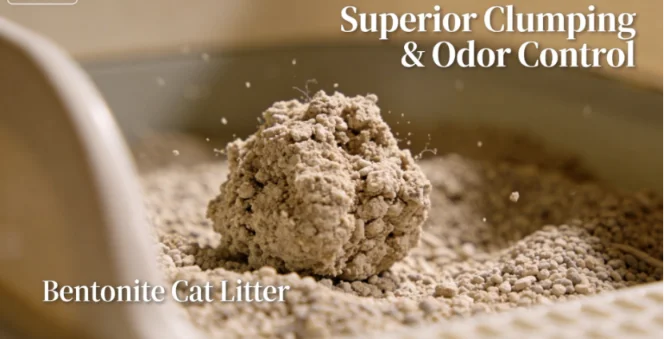
إليك الجزء الذي يخلق معظم المراجعات السلبية: العديد من منتجات البلورات لا تتجمع مثل القمامة المتجمعة القائمة على البنتونيت. قد يشعر العملاء المعتادين على تجميع الكتل الثابتة بالفقدان. قد يخلطون بشكل مفرط ، أو يفرطون ، أو يستبدلون في وقت متأخر ، ثم يلومون ادعاءات "قمامة القطط للتحكم في الرائحة" عندما يتحول الصندوق أخيراً.
من عدسة الأداء، الكريستال ليس "أفضل" أو "أسوأ". إنه إيقاع تنظيف مختلف. نسخة التعبئة والتعليمات الخاصة بك يجب أن تتطابق مع هذا الإيقاع.
الإيجابيات والسلبيات التي يمكنك ربطها بالسلوك المادي
قائمة الإيجابيات والسلبيات مفيدة فقط إذا شرحت لماذا كل نقطة تحدث. تصبح القمامة الكريستالية أسهل تقييمها عندما تربط كل مطالبة بسبب مادي.
حيث يفوز كريستال ليتر
غالبا ما تؤدي القمامة الكريستالية بشكل جيد في هذه المناطق:
- القمامة القطة الغبار المنخفض إدراك، وخاصة أثناء صب والتكملات اليومية.
- التحكم في الرائحة مدفوعة بسلوك الامتصاص والاحتجاز في وسائط هلام السيليكا.
- "النظرة النظيفة" في وقت مبكر من الدورة لأن السطح يمكن أن يبقى جافا بصريا لفترة أطول.
- التعامل الخفيف الوزن مقارنة بالكثير من القمامة الطينية (ميزة عملية للشحن والحمل ، حتى لو لم يقول العملاء ذلك بصوت عال).
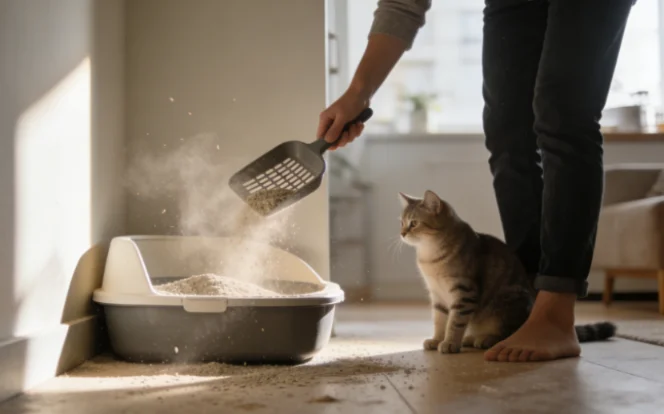
تفاصيل صغيرة في الحياة الحقيقية: يلاحظ العملاء الغبار أكثر عندما يصيب ضوء الشمس الصب. صب الغبار المنخفض ليس مقياس مختبر. إنها لحظة غرفة المعيشة.
حيث يمكن أن تفقد القمامة الكريستالية
القمامة الكريستالية يمكن أن تخلق الاحتكاك في هذه المناطق:
- يمكن لعدم وجود الكتل أن يخلط بين العملاء المدربين على طريقة الطين.
- بعض القطط لا تحب الشعور تحت الكف (النسيج هو حاجز التبني الحقيقي).
- يمكن أن تشعر ارتفاعات الرائحة في نهاية العمر بشكل مفاجئ إذا كانت توجيهات الاستخدام غامضة.
كما تظهر أسئلة السلامة. العديد من المستهلكين يبحثون عن "قمامة القطط الآمنة" قبل أن يبحثوا عن اسم العلامة التجارية الخاصة بك.
أسئلة القمامة الآمنة للقطط: ماذا تقول وماذا لا تقول
السلامة موضوع مصداقية. أذى واعدة. النهج النظيف والأرضي يعمل بشكل أفضل: شرح ما هو هلام السيليكا ، وماذا يستخدم ، وماذا تقول الإرشادات الشائعة.
السلامة القمامة القطة السيليكا في اللغة البسيطة
تصف بعض مصادر صناعة الحيوانات الأليفة القمامة الكريستالية / السيليكا بأنها غير سامة وآمنة للقطط والبشر ، وتلاحظ أن مخاوف "غبار السيليكا" عادة ما تتعلق بأشكال السيليكا الأخرى بدلا من هلام السيليكا المعالج المستخدم في القمامة.
ملاحظات السلامة العملية التي يتوقعها العملاء
حتى عندما تعتبر المواد آمنة على نطاق واسع، لا تزال ترى مواضيع الحذر الشائعة في السوق:
- ابقي القمامة بعيدة عن متناول الأطفال الصغار (النظافة المنزلية الأساسية).
- راقب القطط أو القطط التي تأكل المواد غير الغذائية.
- تقليل أي غبار في الهواء في المساحات الضيقة (التهوية الجيدة، صب بطيء).
هذا ليس بخصوص الخوف. الأمر يتعلق بتقليل تذاكر الدعم في وقت لاحق.
حيث يناسب الكريستال في محفظة قمامة القطط الأوسع
نادرا ما تعيش كريستال لوحدها في استراتيجية العلامة التجارية. وغالبا ما يجلس بجانب الخيارات الطينية والنباتية ، كل منها بنيت لنمط شكوى مختلف: الغبار ، والتتبع ، والشعور بالتجمع ، والاستدامة ، وأسلوب التخلص.
تساعد خريطة المواد على الحفاظ على اتساق الكتالوج الخاص بك. لمحة عامة كاملة عن أنواع القمامة القطة يعطي هذا "عرض المحفظة" عبر البنتونيت والكريستال والتوفو والكانافا ، بحيث يبقى موقع الكريستال متسقا مع بقية تشكيلاتك.
إذا كانت قاعدة عملائك تتداخل مع الإعدادات الآلية، يمكنك أيضًا ذكر التوافق بشكل خفيف. بعض المستخدمين يربطون وسائل الإعلام غير المتجمعة بنظام صندوق القمامة التنظيف الذاتي ، ولكن لا تحتاج إلى تحويل هذه المقالة إلى دليل جهاز. جملة واحدة تكفي.
ملاحظات تطوير المنتج التي تقلل في الواقع من العائدات
القرارات الصغيرة للمنتجات يمكن أن تغير تجربة العملاء كثيرا. هذه هي النقاط التي تميل إلى فصل "لا بأس" عن "تكرار الشراء".
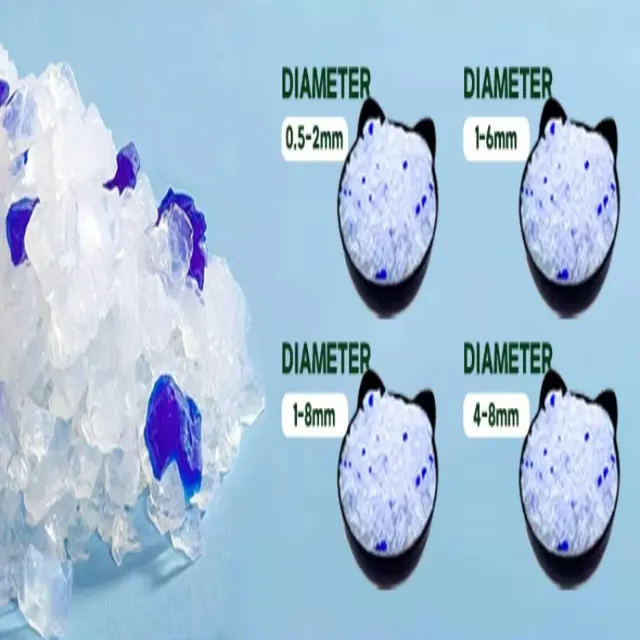
التحكم في حجم الجسيمات والغرامات
حتى القمامة الكريستالية يمكن أن تخلق غرامات من المعالجة والنقل. ويقلل الفحص الأفضل وحجم الحبيبات المتسق من "صب الغبار أولاً" ويقلل من البقايا الحبيبية التي يشعر بها العملاء بالقرب من صندوق القمامة.
تعليمات تتطابق مع سلوك الكريستال
غالبا ما يباع الكريستال باسم "قمامة القطط طويلة الأمد". يمكن أن يكون هذا صحيحا في الممارسة العملية ، ولكن فقط عندما يتبع العملاء الروتين المقصود. إذا كانت التعليمات عامة ، فإن العملاء يستخدمون عادات الطين على وسائل الإعلام الكريستالية ، ثم يشكون.
لغة الأداء الصادق
مصطلحات مثل "خالية من الغبار" خطرة. "قمامة القطط المنخفضة الغبار" أكثر أمانا وعادة ما تكون دقيقة.
يجب أن تتطابق مطالبات "قمالة القطط للتحكم في الرائحة" أيضًا مع المنحنى الحقيقي: الأداء المبكر القوي ، ثم توقيت الاستبدال مهم.
الوجبات الرئيسية
القمامة القط الكريستال هي أساسا القمامة القط هلام السيليكا ، وهو شكل من أشكال ثاني أكسيد السيليكون مع هيكل مسامي يمتص الرطوبة ويدعم التحكم في الرائحة.
نفس الهيكل هو السبب في أن نفايات السيليكا غالبا ما يتم وضعها على أنها نفايات قطة منخفضة الغبار ، خاصة بالمقارنة مع العديد من الخيارات القائمة على الطين. أكبر تبادل بين أداء المنتج هو أسلوب التنظيف. العملاء المعتادين على تجميع القمامة يحتاجون إلى توجيهات واضحة ، وإلا سيعاملون مع الكريستال مثل الطين ويشعرون بخيبة أمل.
Bastet Pet كمورد لقمامة القطط متعددة المواد للعلامات التجارية
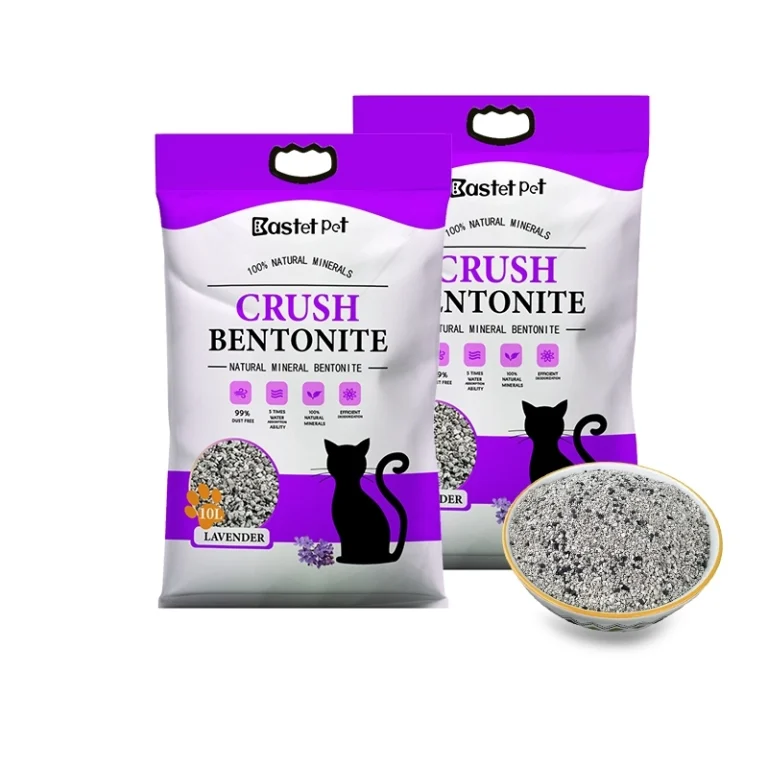
باست (تيانجين) منتجات الحيوانات الأليفة المحدودة (باست الحيوانات الأليفة) يضع نفسه كمصنع يقدم مواد قمامة القطط المتعددة ، بما في ذلك قمامة القطط الكريستالية ، جنبًا إلى جنب مع الأنواع السائدة الأخرى في نفس الكتالوج. بالنسبة لأصحاب العلامات التجارية والموزعين ، يهم هذا عندما تريد الحفاظ على أداء المنتج المتسق عبر مجموعة: خيارات الغبار المنخفض للمنازل الحساسة ، وخيارات تجميع أقوى للمتسوقين أولا ، والخيارات القائمة على النباتات للأسواق التي تفضل المدخلات المتجددة. كما تقول Bastet Pet أنها تدير مراقبة الجودة والاختبار على مستوى الدفعة ، والتي تتوافق مع ما تحتاجه عندما يجب أن تبقى حجم الحبيبات وملف الغبار وسلوك الامتصاص مستقرة بين الشحنات.
أسئلة متكررة
Q1: ما هي بلورات القمامة القط مصنوعة من؟
ج: معظم بلورات القمامة القط مصنوعة من هلام السيليكا ، وهو شكل بلوري من ثاني أكسيد السيليكون.
س2: لماذا يتم تسويق نفايات القطط الكريستالية في كثير من الأحيان على أنها نفايات القطط المنخفضة الغبار؟
ج: عادة ما تكون حبيبات الكريستال أصعب وأقل احتمالًا للطحن إلى مسحوق من العديد من القمامات القائمة على الطين ، لذلك يمكن للصب والاستخدام اليومي إطلاق أقل غبارًا في الهواء.
Q3: هل سيليكا قطة القمامة تجمع مثل الطين تجمع القمامة؟
ج: العديد من منتجات القمامة القط السيليكا لا تتجمع بالطريقة التي تتجمع بها القمامة البنتونيت. التنظيف يمكن أن يشعر مختلفا، لذلك تعليمات واضحة مهمة.
Q4: هل تعتبر القمامة القط هلام السيليكا القمامة القط الآمنة؟
ج: العديد من مصادر صناعة الحيوانات الأليفة تصف القمامة الكريستالية / السيليكا بأنها غير سامة وآمنة ، وتلاحظ أن المخاوف حول "غبار السيليكا" عادة ما تتعلق بأشكال أخرى بدلا من هلام السيليكا المعالج المستخدم في القمامة.
س5: ماذا يعني "القمامة القط التحكم في الرائحة" للقمامة الكريستالية في الاستخدام الحقيقي؟
ج: يمكن للقمامة الكريستالية التحكم في الرائحة في وقت مبكر لأنها تمتص الرطوبة وتحتجز مركبات الرائحة ، ولكن توقيت الاستبدال مهم بالقرب من نهاية الدورة.
لا تزال غير متأكدة إذا كان عليك التحول من البنتونيت؟ تحقق من مقارنة التكلفة والأداء المباشرة: كريستال مقابل قلامة القط الطينية: أي منها مناسبة لك؟