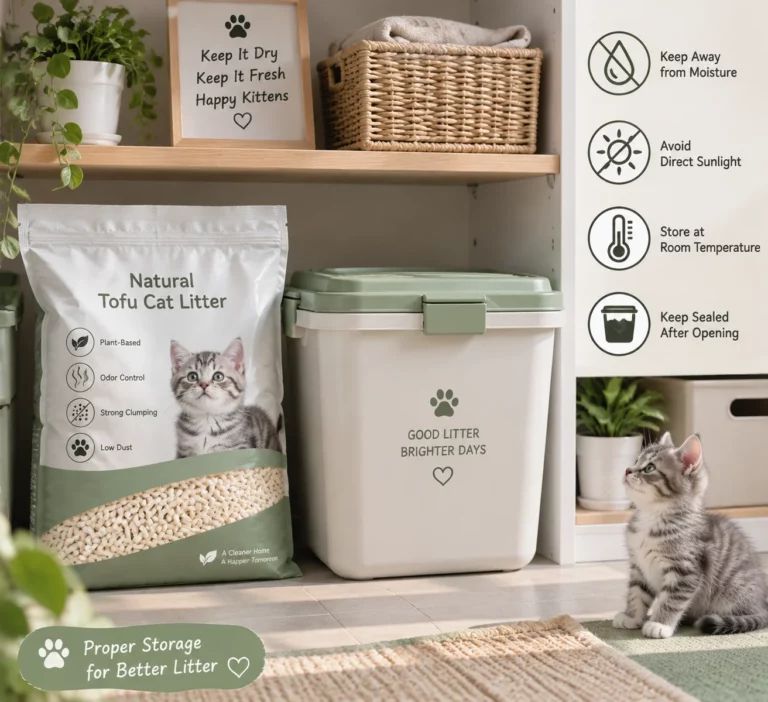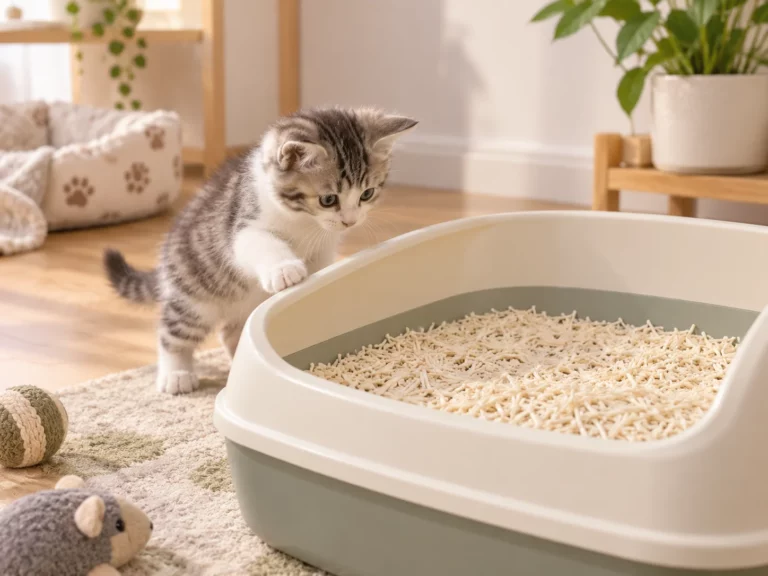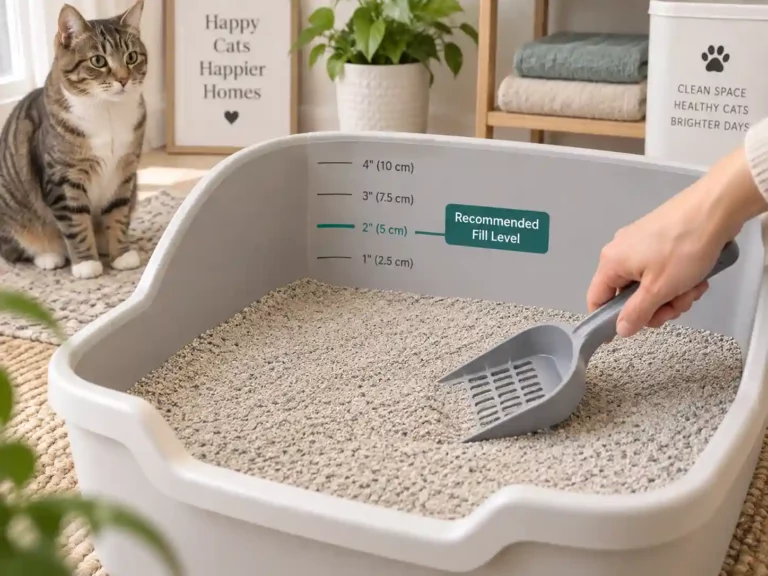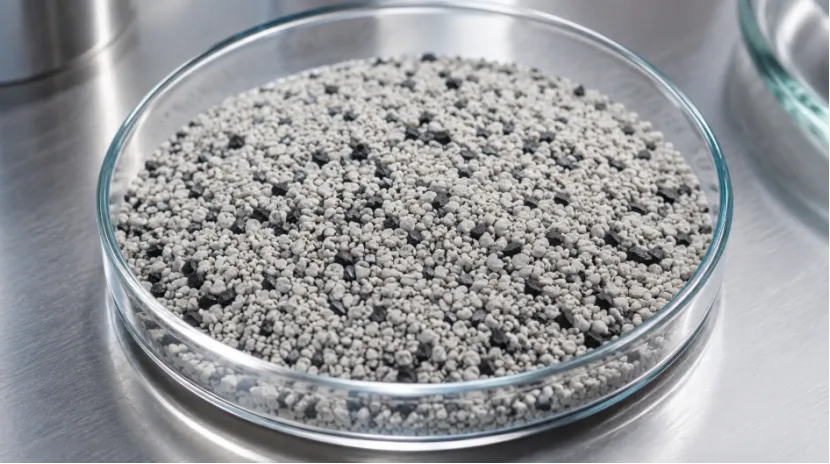
Para los compradores de arena para gatos de marca blanca, la bentonita básica se está volviendo más difícil de vender a un precio elevado. Muchos estantes ya muestran afirmaciones como "aglomeración rápida", "bajo contenido de polvo" y "fácil de recoger". Son útiles, sí, pero no siempre suficientes. Cuando todas las bolsas dicen prácticamente lo mismo, los compradores comienzan a comparar el precio. Ahí es donde las formulaciones de bentonita con carbón activado pueden darle a su producto una razón más clara para costar más.
Un buen Arena para gatos con control de olores del fabricante original No solo debe oler bien el primer día. Debe ayudar a controlar el olor a orina y heces, la formación de grumos, el polvo y la limpieza diaria. En los hogares, especialmente en apartamentos o casas con varios gatos, el olor es la primera queja que se menciona. Curiosamente, muchos dueños de gatos perdonan más rápido un diseño de bolsa sencillo que el olor a arenero cerca del pasillo.
¿Por qué las marcas blancas necesitan algo más que arena para gatos de bentonita básica?
Necesitas una historia de producto que los compradores puedan explicar rápidamente. Decir simplemente "Se aglomera" ya no es suficiente. Es mucho más fácil para un minorista, importador o vendedor en línea posicionar el producto con frases como "Se aglomera rápidamente y utiliza carbón activado para ayudar a atrapar los olores".
La arena para gatos mineral básica se enfrenta a una fuerte presión sobre los precios.
La arena para gatos de bentonita estándar sigue teniendo una buena presencia en el mercado. Absorbe líquidos, forma grumos y facilita la limpieza. Sin embargo, cuando una marca blanca de arena para gatos solo ofrece una fórmula mineral básica, puede verse afectada por la competencia de precios, lo que reduce el margen de beneficio. Además, los pedidos recurrentes dependen demasiado del costo del envío y de las promociones estacionales.
El control de olores crea una razón de peso para elegir productos de primera calidad.
La arena para gatos con control de olores es diferente porque su beneficio es fácil de notar. Si la caja de arena huele mejor después de dos o tres días, los clientes lo recuerdan. Esto hace que la arena para gatos con control de olores de marca blanca sea útil para paquetes de venta minorista premium, marcas de suscripción y mejoras en los estantes de los supermercados.
¿Cómo mejora el carbón activado el control de olores en la arena para gatos de bentonita?
El carbón activado aporta una funcionalidad adicional a la fórmula. No se limita a enmascarar el olor con perfume, sino que actúa por adsorción, lo que significa que las moléculas de olor se adhieren a la superficie del carbón.
El carbón activado funciona como una pequeña esponja desodorizante.
El carbón activado tiene muchos poros diminutos. Una referencia de la industria lo describe como una "esponja molecular", con una superficie muy grande para filtrar y adsorber. Por eso Arena para gatos de bentonita con carbón activado Puede ofrecer una mayor eficacia para controlar los olores que la arena para gatos perfumada convencional. Aunque la explicación científica parezca técnica, la conclusión para el consumidor es sencilla: ayuda a atrapar los malos olores.
Combate los olores comunes de las cajas de arena para gatos.
La descomposición de la orina a menudo produce olor a amoníaco. Las heces pueden producir olores más fuertes similares al azufre. Investigación sobre aUn estudio sobre arena para gatos con control de olores y carbón activado demuestra que añadir carbón activado puede mejorar significativamente la eliminación de amoníaco y sulfuro de hidrógeno en comparación con la bentonita sin carbón. En un conjunto de datos, el 10 % de carbón activado ya mejoró notablemente la eliminación de olores, mientras que el 20 % y el 30 % obtuvieron resultados aún mejores. Esto es útil, pero hay un inconveniente.
¿Qué proporción de carbono funciona mejor para la arena para gatos con control de olores de fabricantes de equipos originales (OEM)?
Más carbono no siempre significa mejor arena para gatos. Para pedidos B2B, la mejor fórmula es la que equilibra olor, aglomeración, polvo, absorción, costo y comodidad para el usuario. Un resultado espectacular en las pruebas de laboratorio es bueno, pero un grumo deshecho en la pala es lo que genera malas reseñas.
Las fórmulas del 10%, 20% y 30% se comportan de manera diferente.
Una fórmula con un 10 % de carbón activado puede funcionar bien para un producto premium de gama de entrada. Proporciona una mejora visible y funcional en el control de olores sin excederse en la fórmula. Una fórmula con un 20 % suele ser una opción intermedia más eficaz, ya que ofrece un alto control de olores a la vez que mantiene una mayor estabilidad de los grumos que una mezcla con un contenido de carbón muy elevado. Una fórmula con un 30 % puede ser adecuada para un producto donde el control de olores es primordial, pero puede aumentar el riesgo de polvo y reducir la fuerza de los grumos si el carbón es demasiado fino o está mal mezclado.
La formulación personalizada de la arena para gatos debe coincidir con el canal.
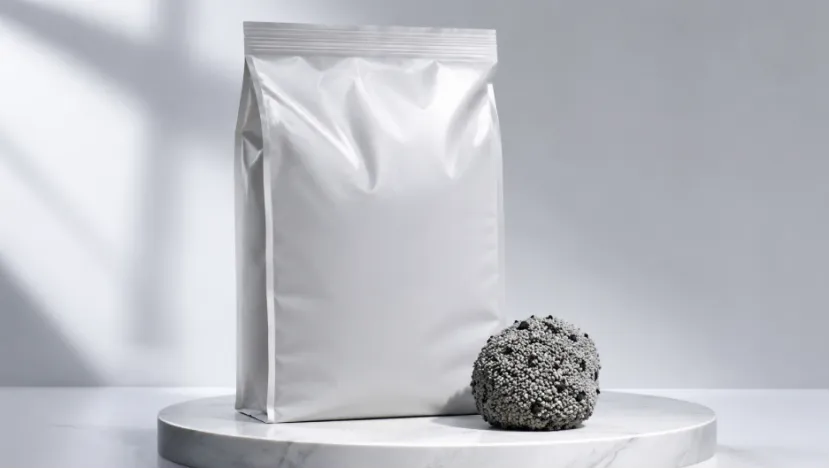
Para las reseñas en línea, la arena para gatos de carbón activado con bajo contenido de polvo es muy importante. Para las bolsas al por mayor, la capacidad de aglomeración después del transporte es más importante que las afirmaciones llamativas. En los estantes de las tiendas de mascotas, una arena para gatos de bentonita con efecto de carbono puede destacar visualmente porque las partículas de carbono negro hacen que la fórmula se vea diferente de la arena mineral común.
¿Cómo puede el carbón activado mejorar el olor sin debilitar los grumos?
La bentonita sigue siendo la que realiza el trabajo pesado. El carbón activado ayuda a controlar el olor, pero la bentonita forma los grumos. Si la fórmula olvida esto, el producto puede oler mejor, pero limpiar peor. Eso no es una buena solución.
Mantenga la bentonita como estructura aglomerante principal.
La arena aglomerante para gatos con carbón activado necesita suficiente bentonita activa para formar grumos firmes. La gama de arena para gatos de bentonita de Bastet Pet está elaborada con bentonita 100 % natural, con aglomeración rápida y compacta, baja dispersión, partículas de color desodorizantes y un diámetro de partícula de 0,5 a 4 mm. Estos detalles son importantes porque el tamaño de las partículas y la velocidad de aglomeración afectan al uso diario, no solo a las especificaciones técnicas.
Controlar la distribución de polvo y partículas
El polvo de carbón fino puede levantar polvo durante el llenado, el vertido y el vertido. Un enfoque más limpio es utilizar partículas de carbón controladas y mezclarlas uniformemente a través de los gránulos. El desempolvado después de la producción también ayuda. Aquí es donde un Arena aglomerante premium para gatos Se siente diferente al tacto, no solo en la página del producto.
¿Qué debes buscar en un fabricante de arena para gatos de marca blanca?
Un proveedor debería ayudarte a convertir la fórmula en un producto comercializable, no solo ofrecerte un precio desorbitado. El empaquetado, la fragancia, el color, el tamaño de partícula, la cantidad mínima de pedido, las muestras de prueba y las afirmaciones publicitarias influyen en el lanzamiento.
Bastet Pet como socio OEM práctico
Bastet Mascota Bastet Pet es un fabricante de arena para gatos de marca blanca que ofrece variedad de productos, empaques personalizados y una presentación lista para el mercado. Su gama incluye opciones de bentonita, tofu, cristal, yuca y minerales, lo que permite crear múltiples referencias con un mismo plan de abastecimiento. En su sitio web principal, Bastet Pet destaca sus avanzadas líneas de producción, un equipo de desarrollo interno, estrictos estándares de control de calidad y pruebas por lotes conforme a las normas internacionales. Para quienes planean fabricar arena para gatos de bentonita para OEM o arena de carbón para gatos de marca blanca, esta combinación de desarrollo de producto y soporte de fábrica resulta muy útil, ya que la fórmula, el empaque y el posicionamiento en el mercado minorista deben estar alineados.
El empaque y la fragancia pueden llevar la afirmación
Bastet Pet también ofrece fragancias personalizadas, como sin perfume, lavanda, talco para bebés, té verde, limón, café y más. Sus opciones de empaque incluyen bolsas con base, bolsas con sellado cuádruple, bolsas con sellado de tres lados, bolsas planas al vacío, bolsas tipo ladrillo al vacío y cajas de cartón. Esto le brinda a su arena para gatos de carbón activado de marca propia más flexibilidad para adaptarse a los canales de supermercados, comercio electrónico y venta minorista a granel.
¿Cómo puede la arena para gatos de bentonita con carbón activado convertirse en una opción más atractiva en los estantes de los supermercados?
El producto debe poder explicarse fácilmente en una sola frase. Un comprador debería poder decir: “Esta es una arena para gatos de bentonita con carbón activado, diseñada para un mayor control de olores, grumos firmes y una limpieza diaria con poca producción de polvo”.
Elija afirmaciones que sean sólidas pero seguras.
Algunas afirmaciones positivas son: «ayuda a controlar el olor», «control de olores con carbón activado», «diseñado para hogares con varios gatos» y «frescura duradera». Tenga más cuidado con las afirmaciones «antibacterianas» o las tasas exactas de eliminación de amoníaco, a menos que los informes de pruebas las respalden. Para un proveedor serio de arena para gatos con carbón activado, esta conversación sobre las pruebas debería tener lugar antes de la aprobación del diseño, no después de la impresión de las bolsas.
Para una marca de arena para gatos de marca blanca en crecimiento, Bastet Pet ofrece apoyo en la selección de productos, empaques personalizados, colores, fragancias y desarrollo de muestras. Con las formulaciones adecuadas de bentonita con carbón activado, puede ir más allá de un producto mineral básico y crear una arena para gatos OEM con control de olores y un mensaje premium más claro. No es complicado, simplemente es más convincente.
Preguntas frecuentes
P1: ¿Qué hace que la arena para gatos de bentonita con carbón activado sea diferente?
R: Arena para gatos de bentonita con carbón activado Se basa en partículas de carbono que atrapan activamente los olores. Mientras tanto, la bentonita favorece la aglomeración y facilita la absorción de líquidos.
P2: ¿Más carbón activado siempre es mejor?
R: No. El carbón adicional mejora el control de olores. Sin embargo, un exceso perjudica la estabilidad de los grumos. Además, genera polvo a menos que la mezcla se mantenga perfectamente equilibrada.
P3: ¿Qué proporción de carbono es buena para la arena para gatos con control de olores de fabricantes de equipos originales (OEM)?
A: Las mezclas de alta gama prefieren una dispersión moderada. Esta suele oscilar entre el 10 % y el 20 %. El porcentaje exacto varía según las tendencias del mercado local y la firmeza deseada de los grumos.
P4: ¿Pueden las marcas blancas utilizar arena para gatos de carbón activado sin perfume?
R: Sí. La arena de carbón sin perfume es útil para gatos sensibles y para compradores que prefieren la absorción de olores sin una fragancia fuerte.
P5: ¿Qué preguntas debería hacer antes de pedir arena para gatos de carbón activado de marca propia?
A: Pregunte sobre la proporción de carbono, la tasa de polvo, la fuerza de aglomeración, las pruebas de olor, el tamaño de partícula, las opciones de fragancia, las opciones de empaque, la cantidad mínima de pedido (MOQ) y el soporte para muestras.