Questions like how often should cat litter be changed and the more casual how often do you change cat litter usually show up after a bad week: the box smells “fine” until it suddenly doesn’t, dust starts coating the floor, or your cat decides the bath mat is a better toilet. The tricky part is that there isn’t one calendar answer that works for every home.
What changes the schedule more than anything is material behavior. A clumping bentonite cat litter fails in a different way than crystal cat litter. Plant-based litter has its own quirks too. Once you match the routine to the material, you waste less litter and you get fewer “why is this happening?” moments.
Why This Question Never Has One Right Answer
A time-based rule sounds comforting, but it breaks the moment your reality changes. One cat vs two. Covered box vs open. High humidity vs dry winter air. Even the way you pour and top up can shift results.
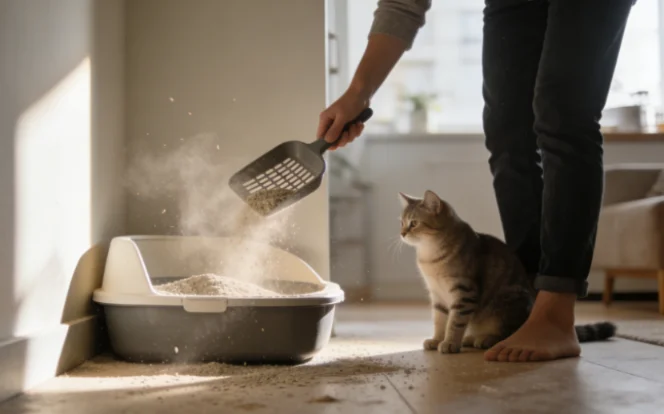
Most schedules work better when you treat them as ranges and watch for triggers. Odor, dust, and texture changes are often more honest than the number of days on the calendar. (Also: if you’ve ever poured the last third of a bag and watched a dust cloud bloom in a sunbeam, you already know “day one” can be misleading.)
What “Changing Cat Litter” Really Means in Daily Use
“Changing litter” is one phrase, but it covers several different actions. Mixing them up is how people end up scooping daily yet still dealing with stink and dust.
Full Replacement vs Partial Replacement
Full replacement means dumping everything, washing the box, and refilling. A partial replacement is smaller: removing the worst area, refreshing a portion, then refilling to the right level. Many homes do a mix of both, whether they call it that or not.
If your box starts clean but goes downhill fast, that usually points to material saturation or broken-down particles sitting in the box. That’s a full-replacement problem, not a “scoop harder” problem.
Scooping, Topping Up, and Deep Cleaning Are Not the Same Thing
Scooping removes solids and (for clumping litters) urine clumps. Topping up keeps depth consistent after you remove volume. Depth matters more than people think, because shallow litter wears out faster and tends to smell sooner.
A common guideline is to keep litter around 2–3 inches deep for standard use.
Deep cleaning (washing the box) is a separate step. If the box walls and corners hold residue, fresh litter won’t stay fresh for long.
The Real Triggers That Tell You It’s Time to Change Litter
You don’t need to stare at a calendar. You need to notice what the litter is doing.
Odor Is a Lagging Indicator
Odor often shows up late. By the time you smell ammonia, the litter may already be saturated or breaking down, especially if urine has pooled in the lower layer (common with non-clumping styles).
If you want fewer surprises, look for earlier cues: clumps falling apart, litter turning into powder, or the box looking “dirty” one day after a full refresh.
Dust, Texture, and Color Changes
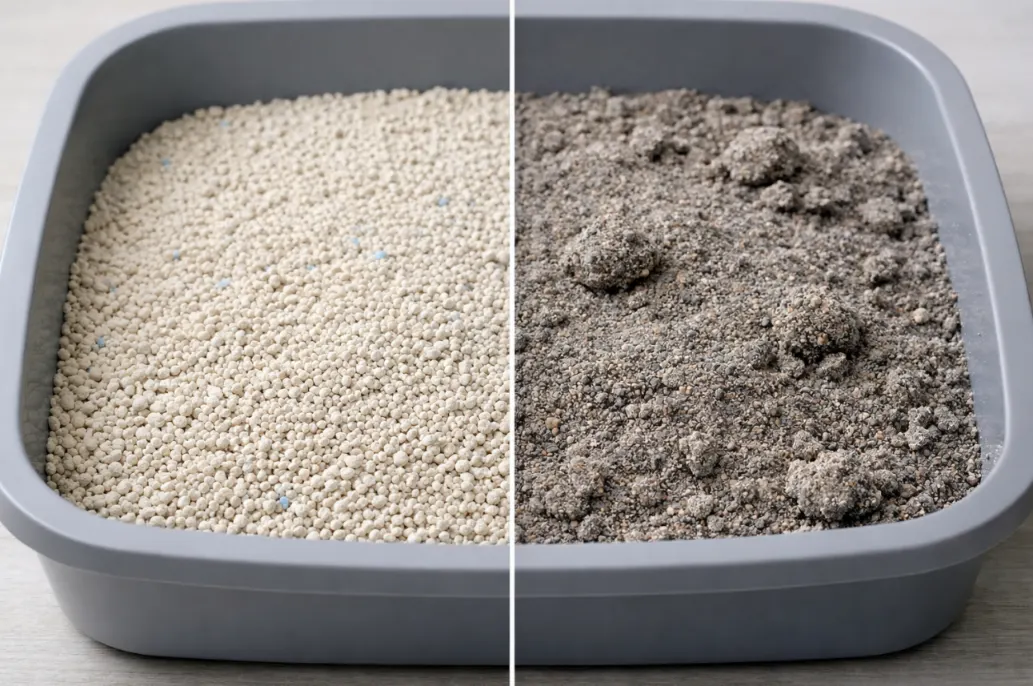
Dust tends to creep up. Clay-based litter can become finer over time due to abrasion. Crystal litter can look clean but lose performance once saturated. Plant-based litter can change feel as moisture cycles through.
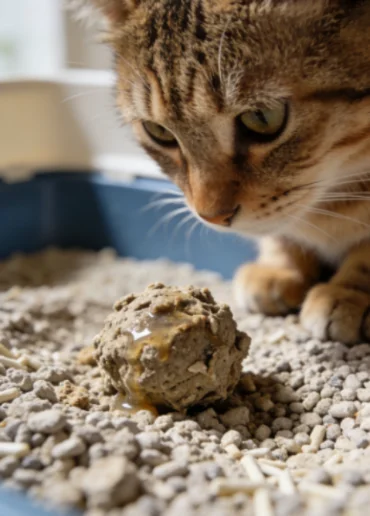
Texture matters. When litter feels gritty, mushy, or overly powdery compared to the first few days, the material is telling you it’s tired.
How Material Choice Changes Replacement Frequency
Material choice shapes two things: how waste is captured, and how fast the litter breaks down. That’s why one home can go weeks on one product and struggle on another.
Bentonite Clay Cat Litter: Clumping Efficiency and Hidden Wear
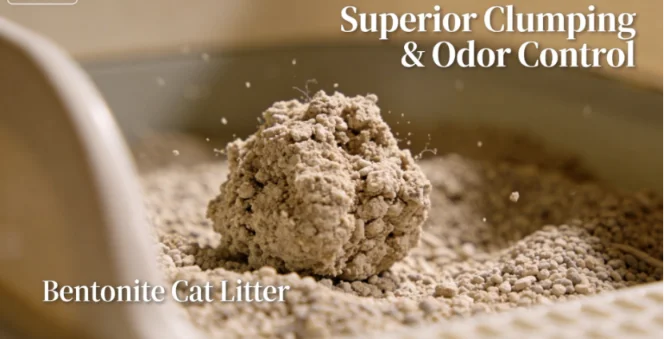
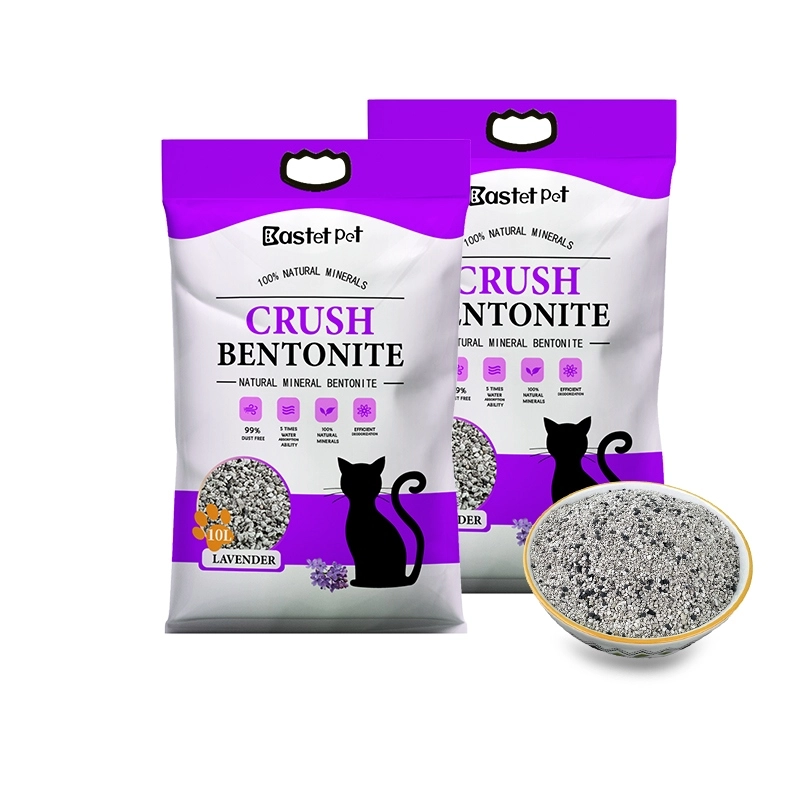
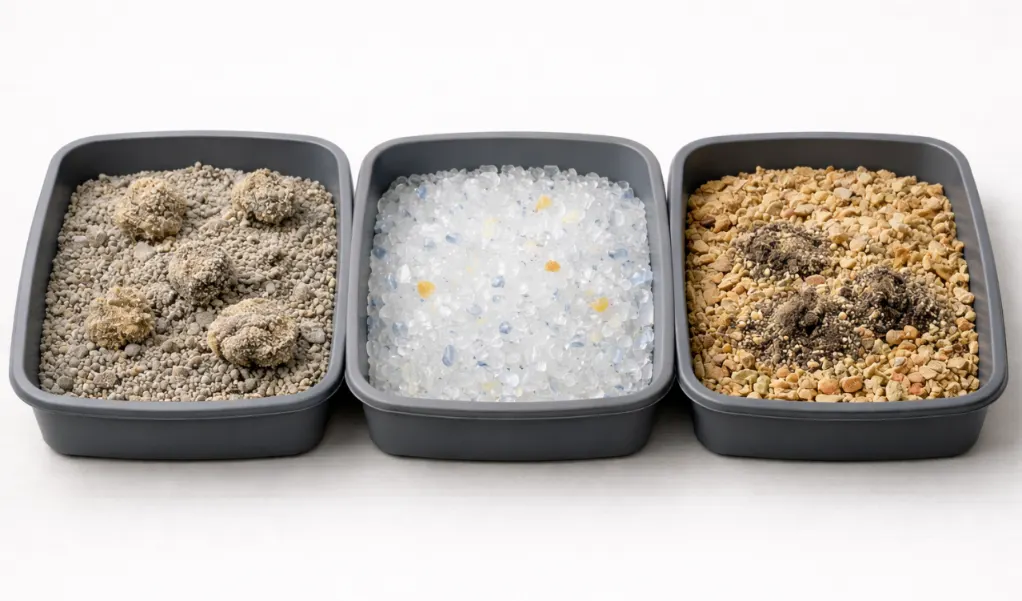
Most mainstream clay cat litter is bentonite-based. Bentonite forms clumps when it absorbs moisture, which makes daily scooping easy and visually satisfying. But clumping also creates “hidden wear.” Clumps can crack during scooping, and the crumbs dry out and become fine particles. Over time, the box may look okay on top while the lower layer is effectively spent.
For clumping litter, many guidelines point to daily scooping and a full change every 2–4 weeks, with multi-cat homes often needing a shorter cycle.
That range is not magic. It’s just a realistic window for how fast clumping clay tends to degrade in normal use.
Other Clay-Based Litters: Similar Habits, Different Sensitivity
Not every clay litter behaves exactly like bentonite. Some clay formulas clump differently or produce different levels of fines. The routine may look similar (scoop, top up, replace), but the “breakdown speed” can change. If you see faster dust buildup or weaker clumps, that usually means the litter is degrading earlier, even if odor hasn’t hit yet.
Crystal Cat Litter: Longer Cycles With Sudden Failure Points
Crystal cat litter (silica-based) usually works by absorbing moisture into porous granules rather than forming firm clumps. That can support longer cycles in some homes, but it has a different warning pattern. Instead of clumps getting weaker, you may get a “late-cycle cliff” where odor rises quickly once the media is saturated.
General guidance for crystal/silica litter often lands in the every few weeks to about once a month range, depending on cat count and box size.
Daily stirring or leveling is often mentioned for crystal styles because it helps distribute moisture exposure.
Plant-Based and Blended Litters: Moisture and Ratio Sensitivity
Plant-based cat litter (like tofu/cassava) and blended cat litter can be low dust and pleasant to use, but timing can be more sensitive to environment. Humidity, how often the box is used, and how well the litter holds structure all matter.
Blends add another variable: consistency. If particle sizes separate in the bag, you can get a dusty “first pour,” then a different performance later. If you mix litters at home, the replacement cycle often changes too, because saturation and breakdown don’t happen evenly across materials.
How Much Cat Litter Should You Use per Box?
This is where “how much” gets people into trouble. Weight-based thinking (“how many pounds”) is rarely helpful across different materials. Depth is the better control knob.
Depth Matters More Than Weight
A widely repeated rule is 2–3 inches for standard filling.
Some sources suggest slightly deeper for clumping litter, but “more” is not always better.
If your cat digs aggressively, you may need a bit more depth. If your cat flings litter everywhere, reducing depth slightly can help.
Why Overfilling and Underfilling Both Cause Problems
Too little litter makes the box hit saturation faster. It can also increase dust, because shallow litter gets scraped harder against the box bottom.
Too much litter can create a heavy lower layer that stays wet longer. That can trap odor and make “it smells bad even after scooping” a weekly pattern.
A Practical Material-Based Schedule at a Glance
Use this as a starting point, then adjust based on odor, dust, and clump integrity.
| Litter Type | Daily Care | Typical Full Replacement Range |
|---|---|---|
| Clumping bentonite clay | Scoop daily, top up to keep depth | About every 2–4 weeks (shorter with multiple cats) |
| Non-clumping litter (general) | Remove solids daily | Often needs much more frequent full change (twice weekly is a common guideline) |
| Crystal/silica | Remove solids, stir/level regularly | Every few weeks to about once monthly |
Where Multi-Material Expertise Helps You Set Better Expectations
If you manage multiple litter materials, you stop chasing one “perfect” schedule. You start matching schedules to how each material ages in the box.
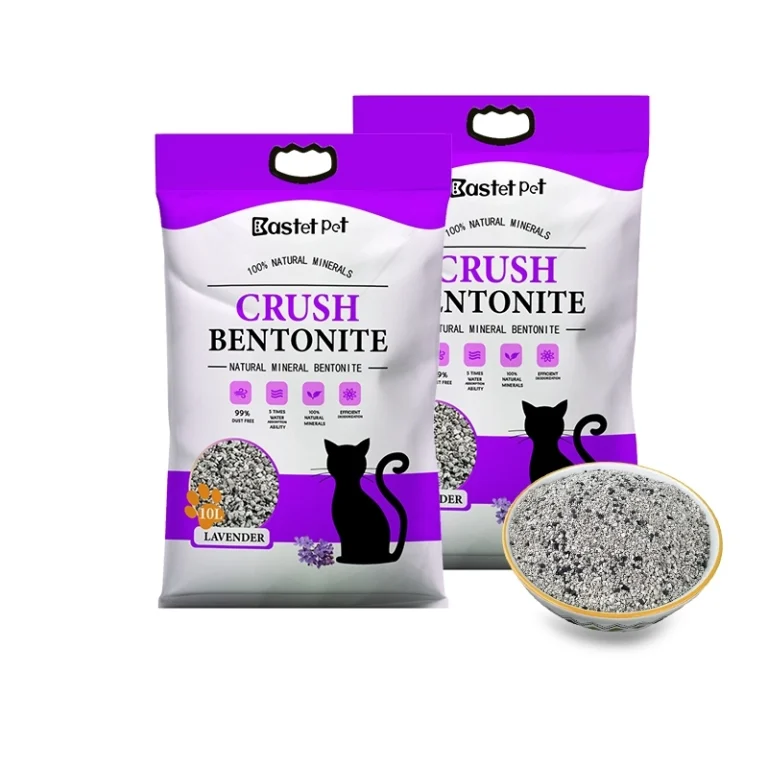
BASTET (Tianjin) Pet Products Co., Ltd. (Bastet Pet) works across mainstream cat litter materials, including bentonite-based clay, silica crystal, and plant-based options. That multi-material coverage matters when you want routines and product claims that hold up in real homes, not just in a spec sheet. Material breadth also helps when you build a lineup: one market may demand strong clumping habits, another may care most about low dust and cleaner air.
FAQ
Q1: How often should cat litter be changed if you scoop every day?
A: Daily scooping helps a lot, but it doesn’t stop material wear. For clumping bentonite clay, a common full-change range is about every 2–4 weeks, often sooner with multiple cats.
Q2: How often do you change cat litter in real homes?
A: Most homes land on a rhythm: scoop daily, top up when depth drops, then do a full dump when clumps weaken, dust rises, or odor starts showing up earlier each day. The exact timing depends on the litter material and cat count.
Q3: How much cat litter should you use in the box?
A: Depth beats weight. Around 2–3 inches is a common baseline, then adjust for your cat’s digging behavior and mess.
Q4: Does bentonite cat litter need to be changed more often than crystal?
A: Often, yes. Bentonite clumps well but can break down into fines over time, which can raise dust and reduce performance. Crystal litter can last longer in some setups, but once it saturates, odor can rise quickly.
Q5: Does mixing cat litter change replacement frequency?
A: It usually does. Mixed materials can saturate and break down at different speeds, so the box may stop performing sooner than you expect, or it may “fail” unevenly (dusty first, then smelly). If you mix, watch texture and dust cues more than the calendar.