You want a fresh-smelling home, but you also want a relaxed, confident cat that actually uses the litter box. That balance can get tricky when you stand in front of a shelf filled with “lavender breeze” and “mountain spring” litters on one side and plain, unscented options on the other.
The choice is not just about smell. For a cat, the litter’s scent, texture and dust level all feed into comfort, stress and even house-soiling risk. Several behavior and veterinary sources now point out that most cats lean slightly toward unscented litter, especially finer textures with good clumping. If your cat starts avoiding the tray, the trigger is often the setup, not attitude.
If you have ever wondered how scented vs unscented cat litter affect cat behavior, this guide walks through the key points in a practical way, so you can pick something that works for both your nose and your cat’s.
Scented vs Unscented Litter: What Is The Real Difference?
For you, scented litter sounds simple: it smells nicer. For a cat, it is more complicated. Cats have an extremely sensitive sense of smell, estimated to be many times stronger than a human’s. What feels like a “light fragrance” to you can hit a cat like a strong air freshener in a small room.
The basic split looks like this: scented cat litter uses perfumes or fragrance additives to mask odor, while unscented relies on material properties and sometimes mild additives like baking soda or carbon to trap smells without a perfume layer.
If odor is the real problem, fragrance usually hides it for minutes, not days.
What “Scented” And “Unscented” Really Mean
“Scented” usually means the litter contains added fragrance oils or synthetic perfumes on top of the base material, whether that base is clay, silica, or a plant source. Some formulas stay mild, others smell strong as soon as you open the bag.
“Unscented” should mean no perfume added, though some products still use neutralizers such as activated carbon to deal with odor. Behavior experts and feline health centers note that many cats tend to prefer unscented, finer-textured litter, especially when there are box use problems.
For a cat that already dislikes strong room sprays or cleaning products, scented cat litter can simply be one stimulus too many.
How Scented Litter Can Change Cat Behavior
Several behavior case reports have listed scented litter as a risk factor for avoiding the box or eliminating in other places. When the fragrance masks natural smells too much, some cats seem less sure about whether the box is a safe toilet spot. Others just find the scent overwhelming and start holding urine or choosing carpets instead.
At the same time, not every cat reacts badly. A few tolerate mild scents without any issue, so you mainly watch your own cat’s response: confident digging and regular use mean the setup is fine; hesitation and accidents elsewhere signal a problem.
How Scent Affects Comfort, Stress And Box Use
Once you bring the litter home, scent is only one part of the story. Texture, dust and box layout all interact with smell. You can have a technically “unscented” product that still upsets a cat because it is dusty and noisy, or a plant-based formula that controls odor without perfume and feels much more inviting.
Sensitive Noses And Shy Or Anxious Cats
Shy or anxious cats often show stress in the litter box first. They may hover at the entrance, dig very briefly, or run out fast. For these cats, strong fragrance can add stress rather than comfort. An unscented setup with a quiet corner, stable box position and simple scoop routine tends to help them relax.
If you live with this type of cat, it is reasonable to treat strong fragrance as a last resort, not a starting point.
Texture, Dust And Paw Feel
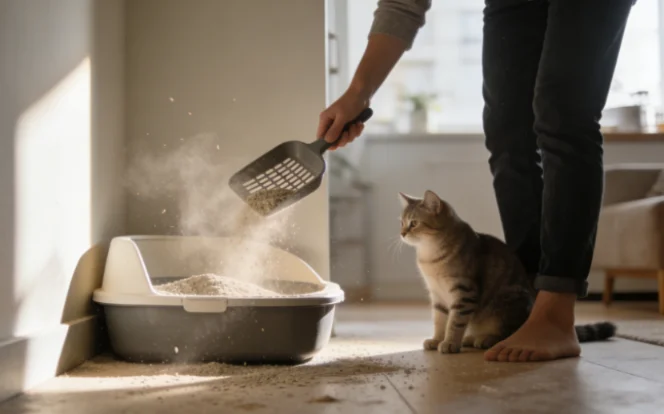
Even if the scent is perfect, a harsh texture can still push a cat away. Many cats like finer grains that feel soft on the paws and move easily when they dig. Heavy dust clouds are another common complaint in real-world feedback, especially for people who scoop in small rooms. Some of the lowest dust formats reported today include plant-based litters like tofu pellets and cassava blends.
This is where a good unscented cat litter can quietly change daily life. When the texture is soft, dust stays low, and no perfume hangs in the air, cats often use the box more steadily and you do not have to chase behavior problems.
Why Plant-Based Cassava Litter Fits The “No Perfume, Still Clean” Idea
A common worry is that unscented litter will leave the whole house smelling like a litter box. That might be true for shallow, non-clumping trays, but modern plant-based products give you other tools to manage odor.
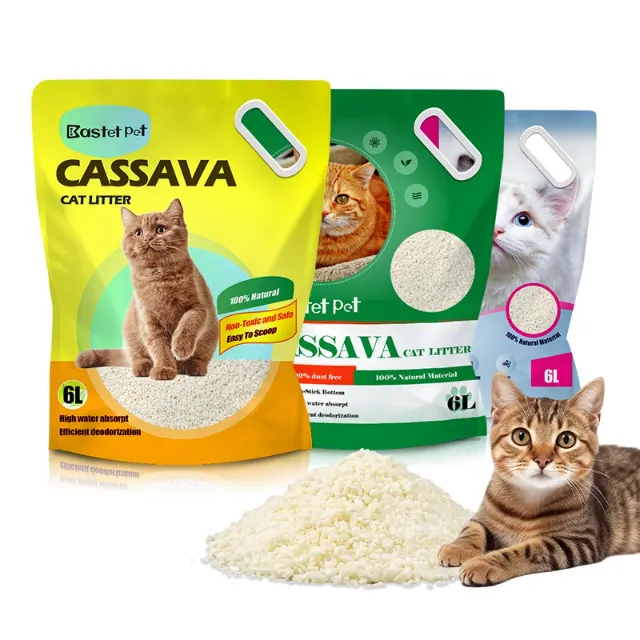
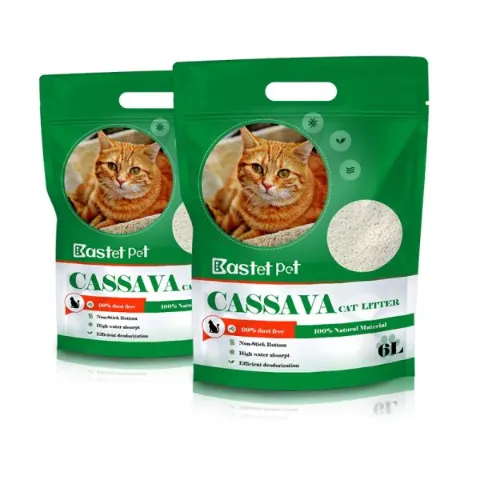
Cassava-derived litter uses the starch in the root to absorb liquid quickly and form tight clumps. Retail and manufacturer descriptions highlight firm clumps, strong odor control and low dust as core selling points.
Natural Control Instead Of Heavy Perfume
Because the clumping and absorption come from the plant material, you can often skip the heavy perfume layer. That gives your cat a more neutral smell profile in the box while you still get practical odor control in the room.
For a lot of homes, this is where the real plant based cat litter benefits sit: simple scooping, less sticking to the tray, and less of that harsh “chemical floral” smell after every use.
Matching Cat Preferences And Daily Cleaning
Most vets and behavior resources still come back to the same short list: clumping, low-dust, mostly unscented, and deep cleaned regularly. A well-designed cassava cat litter fits into that pattern, while also giving you a biodegradable option that aligns with an eco-friendly cat litter choice, not just a short-term fix.
From your cat’s point of view, that means a box that feels the same every day: same smell level, same soft surface, no surprise cloud of perfume after a fresh pour.
A Trusted Partner In Cat Litter Manufacturing
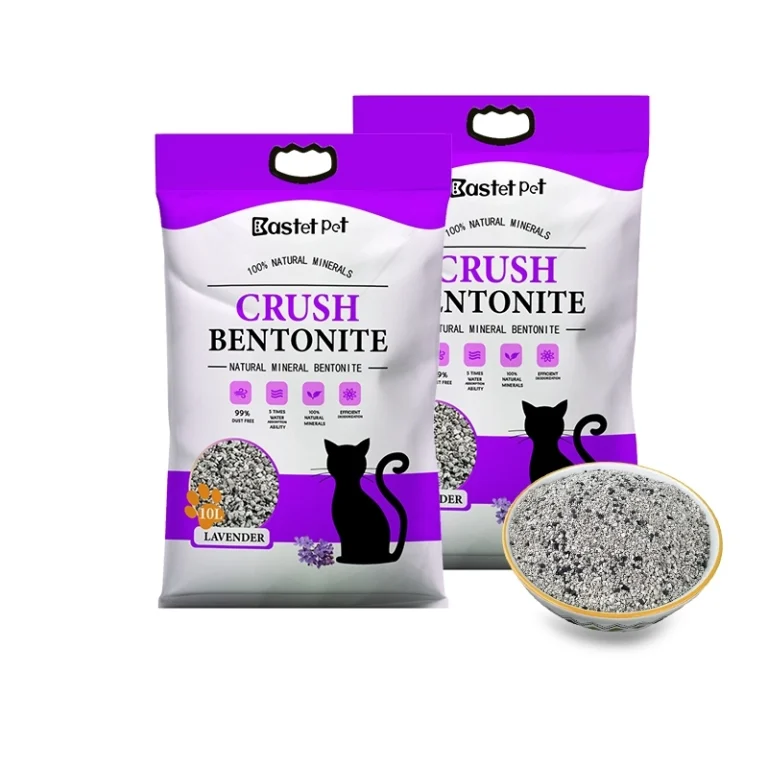
BASTET (Tianjin) Pet Products Co., Ltd.(Bastet Pet), works in this space as a specialist cat litter manufacturer with an export focus. Public profiles describe Bastet Pet as a factory producing high quality litters for clients in multiple regions, rather than a simple trading middleman.
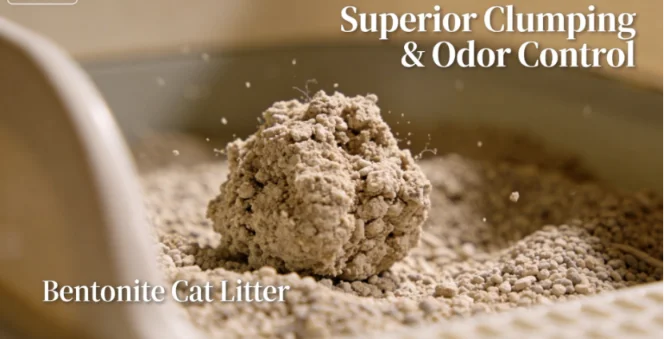
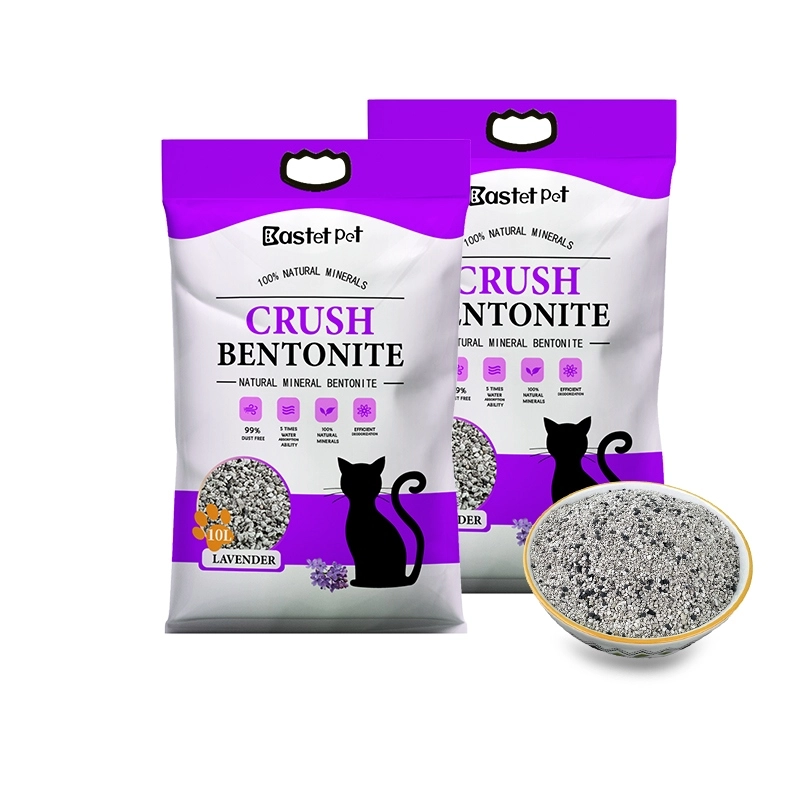
Their product range, as shown in trade fair and social media coverage, includes bentonite, tofu and plant-based litters, with testing videos that highlight clumping strength and dust control. This kind of setup is useful if you look for OEM or private label cooperation, because formulas, packaging and performance details can be tuned to match local markets and different types of cats, from bold, outgoing pets to very sensitive “no perfume, please” types.
FAQ
Q1: Is Scented Litter Always Bad For Cats?
A: Not all the time. But it’s often too much for soft noses. Light scented litter might be okay for some cats. Yet big smells could make others avoid the box. If your cat starts acting strange by the tray after switching to a strong scent, that’s your cue to go lighter or unscented.
Q2: Why Does My Cat Suddenly Refuse A New Scented Litter?
A: Many cats don’t like big changes in smell. A strong fragrance can make the box feel weird. Or even dangerous. This is especially true for shy cats. If the refusal kicked in right after the swap, mix in some old litter. Then ease into a gentler, unscented one over a few days.
Q3: Is Unscented Litter Enough To Control Odor At Home?
A: Yeah. If you scoop every day. And pick a clumping type that soaks up well. Smell control comes more from quick clumps and regular cleans than scents. A good unscented option often keeps things fresher than a super scented one you forget to scoop.
Q4: What Type Of Litter Is Better For Shy Or Anxious Cats?
A: Shy cats usually prefer soft texture, low dust, and little or no extra fragrance. A quiet spot with unscented clumping litter and the same routine helps them chill out. If your cat seems more relaxed and uses the box better after the change, you’re doing it right.
Q5: How Long Should You Test A New Litter Before Giving Up On It?
A: Give it one to two weeks. Switch slow by blending with the old stuff. Watch how often your cat goes, how chill they look, and if messes pop up elsewhere. If it keeps getting worse, that litter’s probably not a good fit.