The pet industry is booming right now. Retailers are constantly hungry for high-margin consumable goods to stock their shelves. But anyone working in B2B pet supply sourcing knows the brutal truth of this business. A single bad batch of litter can ruin a brand overnight. You spend months building trust with retail buyers. You finally get your product into stores. Then, you lose that hard-earned shelf space because of a massive dust cloud complaint from end users. Or worse, lead time delays mean your shelves sit completely empty during peak holiday buying seasons while your competitors cash in. To scale your pet brand safely and profitably, you need more than just a cheap vendor. You need a strategic manufacturing partner who actually knows clay and logistics. This guide breaks down exactly how to handle bentonite litter supplier selection and avoid those costly factory pitfalls.
The Hidden Costs of Partnering with the Wrong Cat Litter Supplier
Finding a supplier is not just about negotiating the absolute lowest price per ton. It is about protecting your profit margins from hidden supply chain traps that only reveal themselves after you wire a heavy deposit to an overseas bank account.
Inconsistent Batch Quality
It happens all the time in this specific industry. The initial sample bag looks absolutely perfect. The granules are perfectly sized, the color is bright, and the clumping performance is incredible. Then the actual 20ft container load arrives at your warehouse and it fails miserably. The litter turns to a sticky mud sludge when wet. Cats track it all over the house. Customer retention plummets immediately. This inconsistency kills growing brands faster than anything else. You end up stuck with twenty tons of unsellable rock.
Supply Chain Bottlenecks and Lead Time Delays
Missing the peak seasonal window eats straight into your profit margins. When doing bulk cat litter sourcing, a delay at the destination port is frustrating enough. But a delay because the factory quietly double-booked their production lines for a bigger client? That is completely avoidable and incredibly damaging. If a factory promises a 10-day turnaround for five containers during peak season, they are probably lying. You have to verify their true output capacity before signing a contract.
5 Essential Criteria for a Reliable Cat Litter Manufacturer
A quick search online will bring up thousands of directory pages claiming to be the absolute best in the business. But when you get down to the actual hard work of ordering wholesale bentonite cat litter, the slick marketing fluff disappears entirely. You have to look at the hard operational facts on the ground. Here are the five non-negotiable standards you need to verify.
Raw Material Superiority
Not all bentonite is created equal. There is a massive chemical and structural difference between premium sodium bentonite vs calcium bentonite. Sodium bentonite naturally expands and forms extremely tight clumps when wet, locking in ammonia odors fast. Some cheap suppliers use chemically treated calcium bentonite to fake this clumping effect. It works fine for a day or two in a test cup, but then the urine smell takes over the entire house. Always ask where they source their raw clay and ask for the montmorillonite content percentage.
Advanced Dust Extraction Technology
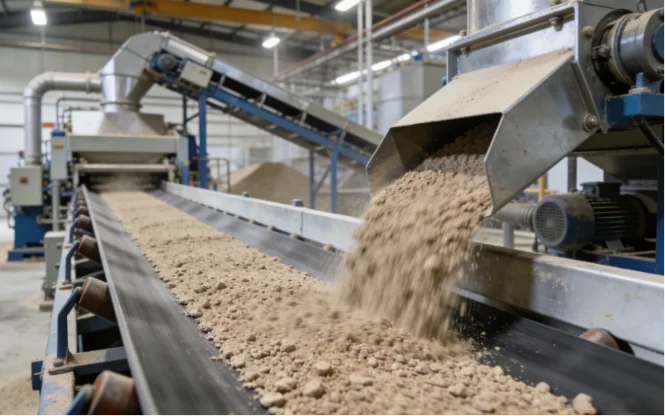
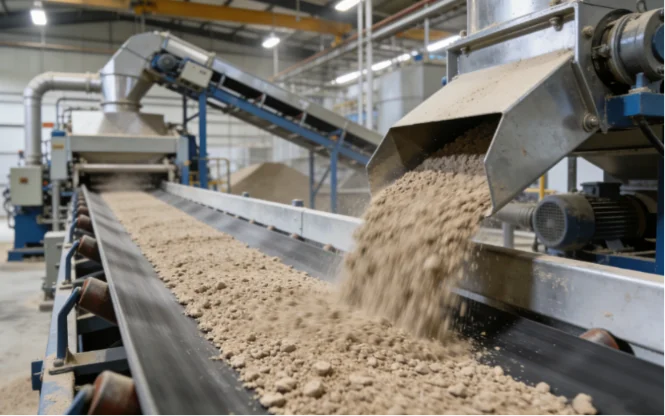
Forget the vague low dust stickers on retail packaging. You want to see their actual dust extraction technology operating right on the factory floor. A top-tier facility will have massive multi-stage dust removal processes in place. The crushed clay goes through vibrating screens and heavy-duty industrial vacuums multiple times before it ever hits the bagging line. This intensive tumbling and vacuuming process is exactly how you get those 99.9% dust-free claims that actually hold up when a retail customer pours the bag into a tray.
Production Capacity and Scalability
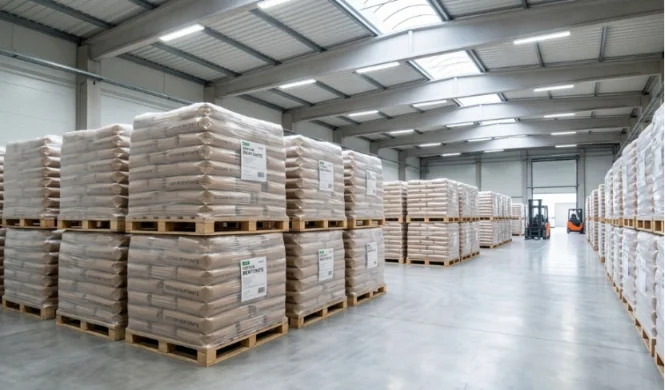
Can the factory actually handle your growth trajectory? If your brand takes off on Amazon or in a big box store, you do not want to outgrow your supplier in six short months. Check their stated monthly tonnage output. A factory pumping out 500 tons a month sounds massive until three big European buyers place orders in the exact same week. Do they run automated packaging lines or are people scooping litter by hand? If you plan on ordering multiple full container loads (FCL) every single month, they need the heavy infrastructure to keep up without sweating or dropping quality standards.
OEM and Private Label Capabilities
If you want to build a truly profitable business, OEM pet products are the smartest path forward. You need a factory that handles private label cat litter smoothly and professionally. This means offering custom packaging options like stand-up foil pouches, heavy-duty woven bags, or premium cardboard box packaging. It also means bespoke product formulations. Maybe you want to add activated carbon for extra odor control, blue silica gel crystals for visual appeal, or a specific baby powder fragrance. A solid partner will have an in-house lab ready to mix those exact specifications for you.
Export Experience and Compliance
Shipping heavy pallets of clay across the world requires serious logistics and flawless paperwork. The factory needs to provide up-to-date MSDS reports and ISO quality certifications without you having to beg the sales rep for a week. They should know the exact customs clearance protocols and chemical testing requirements for your specific destination country to avoid port seizures. Nobody wants their cargo held up indefinitely just because the wooden pallets lacked proper fumigation stamps.
How to Spot a Trading Company Posing as a Factory?
The global B2B sourcing world is full of middlemen pretending to own the heavy machinery. They might have a beautiful, expensive booth at a major trade show, but they do not own a single production line back home. These middlemen just add an extra 15% to 20% markup while providing zero technical support when things go wrong. A trading company will usually dodge technical questions about raw material origin certificates. They might give very vague answers about daily production capacity or flat out refuse to do a live video call from the production floor. Another huge red flag is unusually low pricing that aggressively undercuts the market average. It is a classic bait and switch tactic. You think you are getting a massive deal from a direct cat litter factory, but you end up with rejected batches patched together from three different undocumented sweatshops. Always ask for video proof of their quality control protocols happening live on the actual manufacturing line.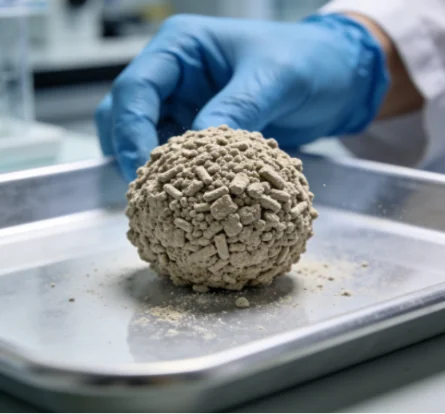
Building a Profitable Pet Brand with the Right Partner
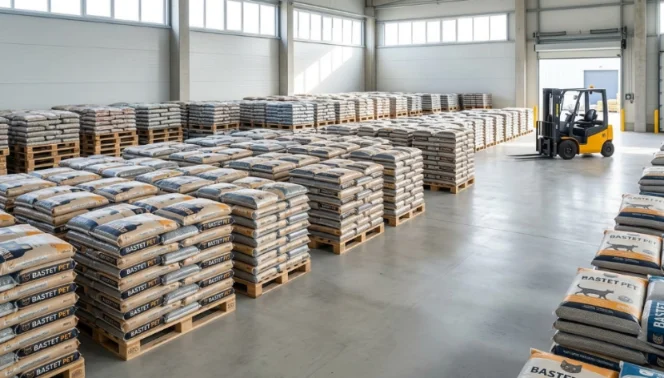
When you are ready to scale up your operations, partnering with a manufacturer that actually owns their raw material supply chain makes all the difference in the world. As a premier reliable cat litter manufacturer, Bastet Pet produces thousands of tons annually with strict, uncompromising quality oversight. They specialize specifically in high-end sodium bentonite formulations. Their engineering focuses heavily on advanced dust removal systems and superior clumping metrics that keep end-users coming back to the store. Because they handle everything directly from raw mineral processing to final custom printed packaging, they offer highly competitive direct B2B pricing without the bloated middleman markups. The facility is custom-built for massive OEM runs, meaning your custom branding and specific odor-control additives are executed flawlessly every time. If you need a partner that delivers consistent shipments on schedule, Bastet Animale domestico provides the exact heavy-duty infrastructure that expanding retail brands rely on.
Domande frequenti
Q1: What is the exact difference between sodium and calcium bentonite?
A: Sodium bentonite naturally swells and forms extremely tight clumps when exposed to any moisture. Calcium bentonite does not clump naturally at all and requires synthetic chemical additives to achieve a similar, but often much weaker, effect.
Q2: How do you practically verify a factory’s dust control claims?
A: Ask for a live video of their multi-stage dust extraction machinery in action and request a detailed breakdown of their quality control protocols right before they seal the retail bags.
Q3: What specific documents are needed for importing cat litter?
A: You will generally need a commercial invoice, a detailed packing list, a valid certificate of origin, and up-to-date MSDS reports to clear customs smoothly without costly delays.
Q4: Can a supplier match an existing litter formula perfectly?
A: A capable manufacturer with an internal R&D department can easily analyze your current physical product and replicate the granule size, moisture content, and scent profile for large private label orders.
Q5: How long does it realistically take to manufacture a full container load?
A: For established product formulations, a reliable factory usually requires 15 to 25 days to process, print packaging, fill, and load a standard FCL order, depending heavily on their current seasonal production schedule.