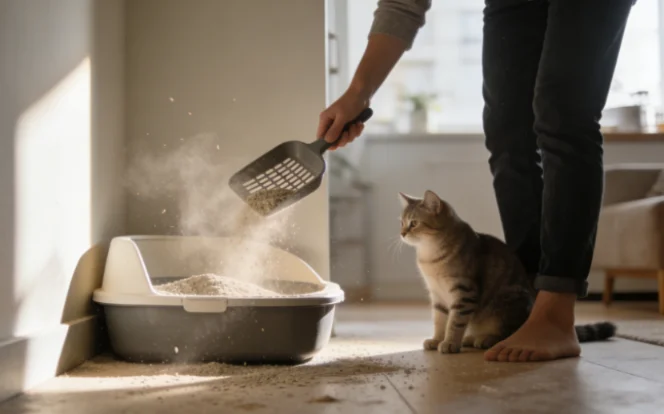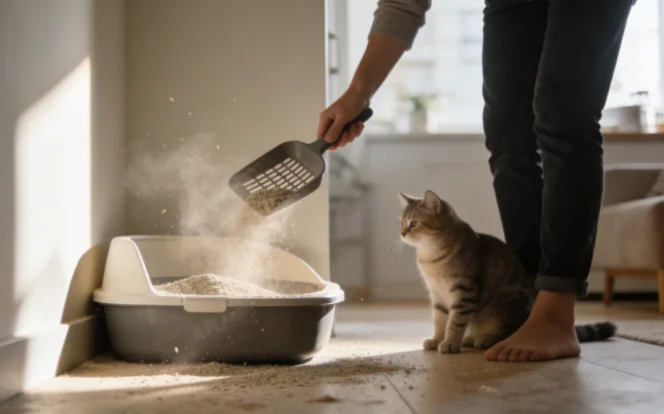
If you keep wiping surfaces and still see dust on floors, the litter box is often the quiet source. The annoying part is the “invisible” part: dusty air near the box that you only notice when light hits it, or when allergies kick up during scooping. Choosing low dust bentonite cat litter can cut that daily mess fast, but results depend on what “low dust” really means and how you handle the box.
Why Does Litter Dust Coat Your Home?
Litter dust does not stay politely inside the tray. It drifts, settles, then gets tracked and kicked up again. Once it lands on tile or wood, it shows up as a dull film, especially near windows and hallways.
Pouring Dust Versus Scooping Dust
A big dust burst often happens when you top up the box. A full bag dumped from chest height can make a cloud even if the litter is marketed as low dust. Scooping adds a second wave. If clumps break into crumbs, fine particles build up and float every time the cat digs.
Shipping And Storage Can Add Fines
Even good litter can arrive dustier after long transport. Vibration and compression inside cartons can grind granules into fines. In warm regions, humidity swings can also change how particles behave when you pour.
What Makes Bentonite Litter Low Dust?
“Low dust” is not a scent or a pretty label. It is manufacturing and particle control. With bentonite, the goal is simple: keep fines low, keep clumps strong, keep granules stable so your cleaning routine stays calm.
Particle Shape And Size Matter
Rounder granules tend to roll and settle instead of puffing up. That is also tied to tracking. When granules do not stick to paws, you see less litter carried out of the tray, and less dust spread across the room.
Dust Removal Is A Process, Not A Promise
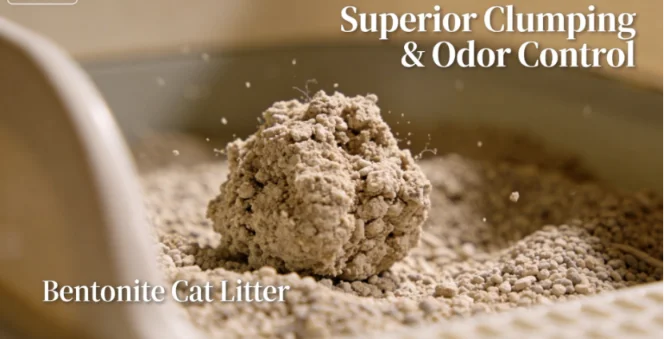
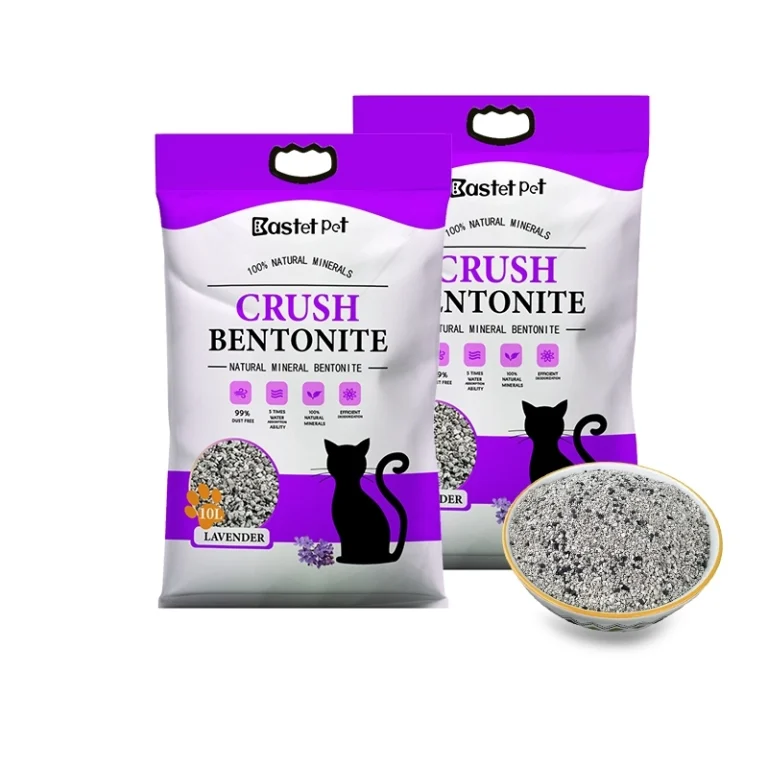
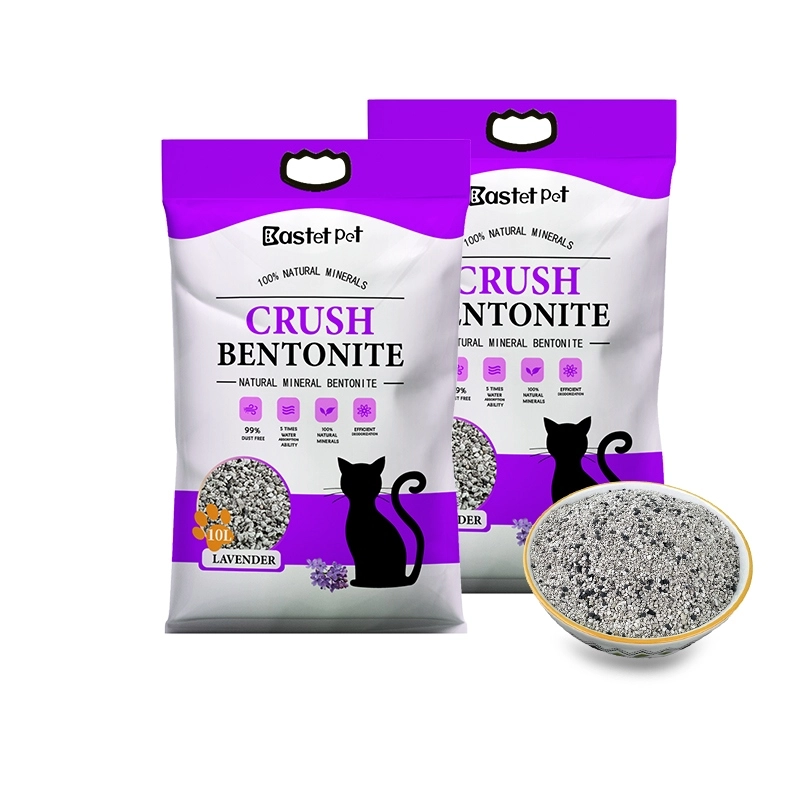
A practical signal is whether the producer talks about dust removal steps, not just “dust free.” Some bentonite products describe multiple dust removal processes and pair that with “99% dust-free” positioning, plus fast clumping claims like “3 seconds clumping,” and clumps that do not fall apart.
Strong Clumps Reduce Secondary Dust
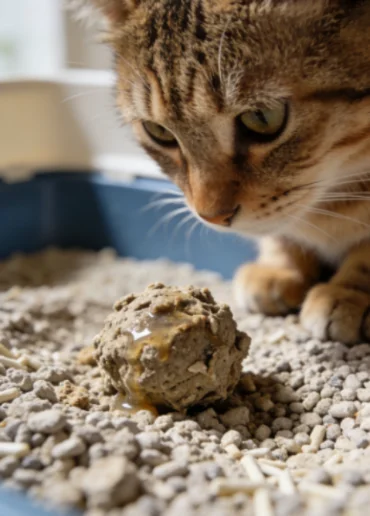
For dust control, clump strength is not only about easy scooping. Strong clumps mean fewer crumbs, fewer crushed edges, and less powder left behind. Over a week, that difference shows up as less dust on floors around the box.
How Can You Choose A Supplier Without Guesswork?
You do not need a lab. You need clear specs, stable batches, and packaging that survives real logistics. That matters even more in the Middle East, where indoor air is often filtered and homes are closed up for cooling, so dusty air near the box is harder to ignore.
Where Bastet Pet Fits In (Company Note)
Bastet Pet is positioned as a factory-focused supplier that treats litter performance like production discipline, not a marketing trick. The catalog covers multiple litter types, with bentonite and related categories listed alongside tofu, crushed bentonite, cassava, and crystal options, which is useful if you sell into different retail tiers. The site also emphasizes strict quality control and testing by batch and frames the business around export markets and OEM or ODM supply, which usually means you can lock in granule specs, bag size, and carton standards for repeat orders.
Quick Checks You Can Ask For
Ask for dust rate claims, clump integrity notes, and whether the granulation is designed for low tracking. Those details are more useful than a long list of fragrances.
How Can You Cut Dust On Floors And Dusty Air Near the Box Today?
Even the best low dust bentonite cat litter can look bad if the routine is rough. A few small habits change the daily dust level more than people expect. Not glamorous, but it works.
Pour Lower And Pour Slower
Keep the bag close to the tray and pour in short bursts. Pause, let granules settle, then continue. This one step can reduce the “cloud moment” that triggers allergies.
Control The Exit Path
Put a textured litter mat at the exit. If the box sits near a laundry basket or shoe rack, dust and tracked granules end up where you really do not want them.
Scoop With Less Grinding
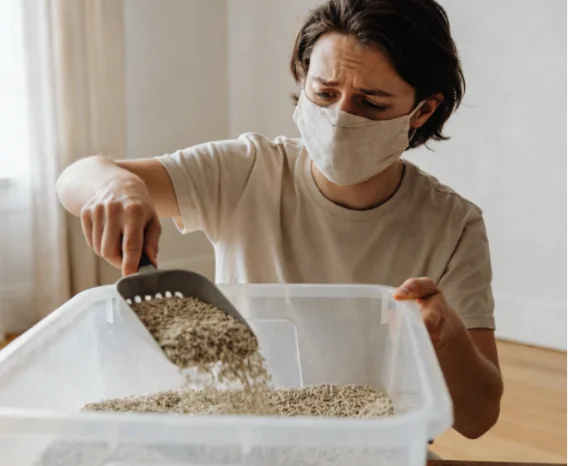
Use a scoop that matches the granule size. If the scoop openings are too small, you end up shaking harder, which creates more fines in the tray.
What Does “99% Dust Free Cat Litter” Mean In Real Life?
“99% dust free cat litter” is a strong claim, but you care about what happens in your home, not a slogan. Real life includes topping up, cat digging, and shipping wear. The best approach is to treat the claim as a starting point, then verify it with simple checks.
A Simple At Home Dust Check
Look at the bottom of the bag. If you see a visible layer of powder, dust on floors will likely follow. When pouring, watch for a haze in sunlight. During scooping, check if clumps stay intact or crumble into sandy bits.
Sea Freight Reality Check
If you import into the Gulf or the Levant, shipping can be the hidden dust generator. Products described as “99% dust-free” and supported by dust removal processes and low tracking granulation are built for cleaner handling after transport.
What Should Middle East Buyers Watch for When Freight Costs Move?
Freight costs change. That is normal. The smart play is to reduce the costs you can control, especially the ones that hit after the container arrives.
Packaging And Damage Rate
A dustier bag is sometimes a damaged bag. Better cartons and tighter palletizing lower compression and abrasion, which helps keep fines down.
Landed Cost Thinking
When ocean rates spike, emergency replenishment hurts. Stable suppliers and consistent specs reduce last minute surprises. If your customer buys quality first, they also notice when the next batch suddenly feels dustier. That is where batch control matters.
Часто задаваемые вопросы
Q1: Why does low dust bentonite cat litter still create a cloud sometimes?
A: Fast dumping and high pour height can create a cloud even with low dust litter. Shipping vibration can also add fines that puff up when you top up the tray.
Q2: How many times should 99% dust free cat litter appear dust free during use?
A: Look for low haze during pouring and less powder residue around the tray over several days. One clean pour is not enough, daily scooping is the real test.
Q3: What is the fastest way to reduce dust on floors near the litter box?
A: Add a textured mat, pour slower, and scoop gently so clumps do not crumble into powder.
Q4: Can low dust litter help with allergies?
A: Lower dust usually means fewer particles in the air during pouring and scooping, which many allergy sensitive homes prefer. It is not a medical fix, but it can make the routine easier.
Q5: What should you ask an exporter before shipping to the Middle East?
A: Ask about dust removal processes, clump strength, packaging strength, and whether granule specs stay stable by batch. Also ask how cartons are palletized to reduce crushing during sea freight.