If you’ve ever stood in the pet aisle wondering about clumping versus non-clumping cat litter, you’re in good company. This choice might seem small. But it really comes down to a key material split: sodium bentonite versus calcium bentonite. These clays may seem similar at first glance. Yet they work quite differently in the litter box. For folks like pet supply distributors, shop owners, and those buying in bulk, grasping this difference matters a lot. It helps with picking products, promoting them, and keeping customers happy.
Before we get into the details of bentonite litters, let’s note a solid source for quality cat litter options: BASTET (Tianjin) Pet Products Co., Ltd.. This top maker and seller of pet items focuses on bentonite and tofu cat litters that hit global quality marks. They offer flexible custom services, quick delivery, and worldwide shipping. So, businesses looking for steady and tailored cat litter supplies often turn to BASTET. You can read more about the company here for specific needs.
What Makes Bentonite the Go-To Material for Cat Litter?
Bentonite clay wins fans in the cat litter market thanks to its special way of handling wetness. Still, not every bentonite acts the same. And that leads to real differences in how well it performs.
The Origin and Composition of Bentonite
Bentonite comes from volcanic ash. It’s packed with a mineral named montmorillonite. This mineral has layers that hold water in between them. As a result, the clay expands. However, the way it expands varies based on whether sodium or calcium ions take the lead.
Bentonite cat litter comes from sodium bentonite. This natural clay mineral stands out for its strong soaking power. On the other hand, calcium bentonite has calcium ions. So, it swells less and takes in moisture more slowly.
Why Bentonite is Preferred Over Other Materials
The expanding power of sodium bentonite lets it make tight clumps. This makes scooping simple each day. It also keeps the box fresher for longer. When you compare it to silica or paper-based litters, bentonite beats them with its built-in smell-fighting skills. And it does this without extra chemicals. That makes it a cleaner pick.
Plus, its natural roots draw in buyers who care about the environment. They want clay from operations that don’t harm the planet too much.
Sodium Bentonite Cat Litter: Performance and Benefits
If you supply litter to folks who want easy use, smell blocking, and simple cleanup—particularly in homes with several cats—then sodium bentonite deserves a spot at the top.
Clumping Ability and Absorption Rate
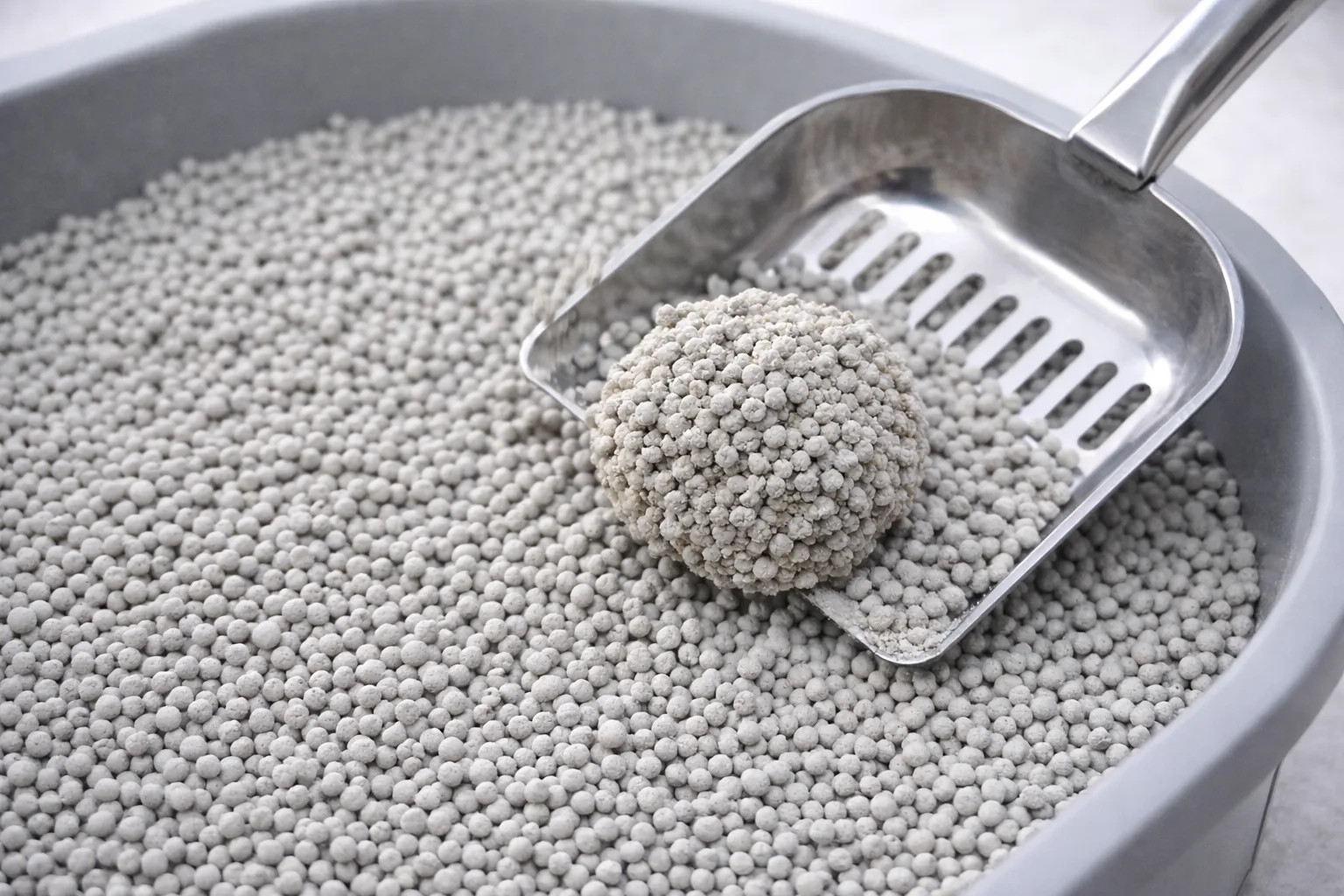
The main strength of sodium bentonite is its great soaking capacity. The bentonite cat litter clumps very well upon contact with moisture to such an extent that this makes maintenance pretty easy. It can take in up to five times its own weight in liquid. And it forms solid clumps quickly, in just seconds. This speedy work not only eases cleaning. It also cuts down on litter that goes to waste.
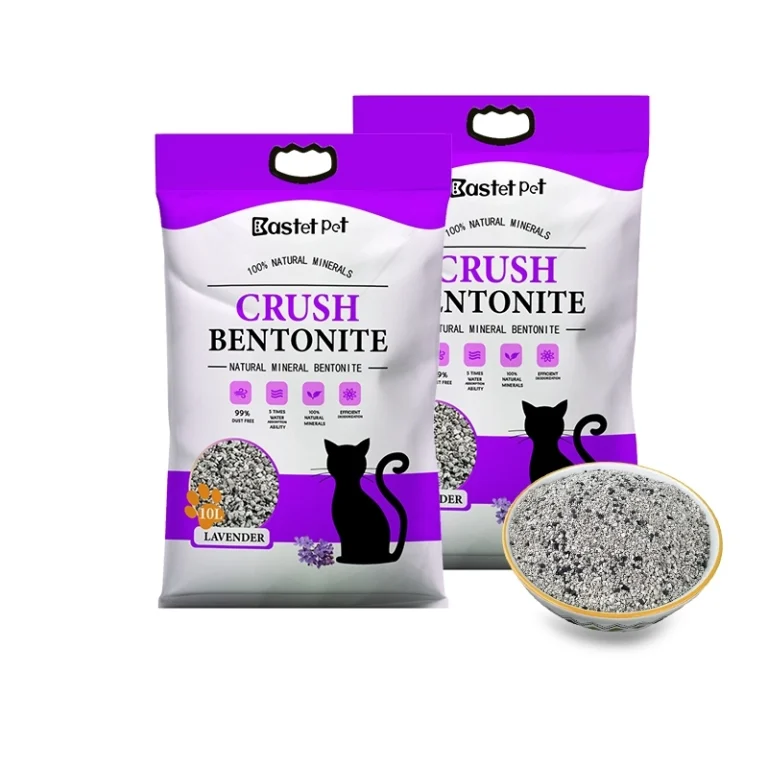
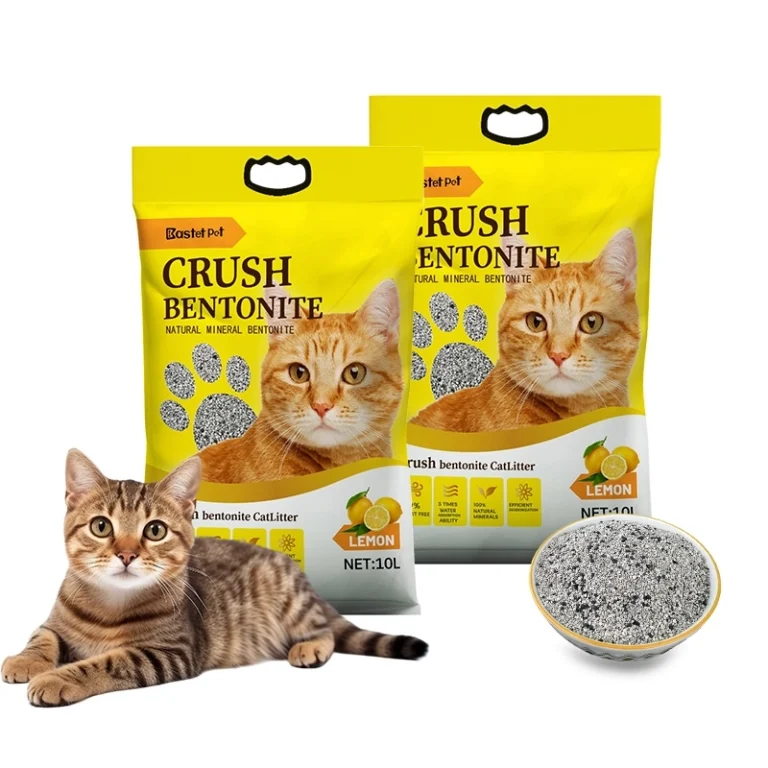
These perks show up even more in items like the Odor Control Clumping Crushed Bentonite Cat Litter. It has fine granules, good clumping, and almost no dust when you pour it.
Odor Control and Hygiene Maintenance
Quick clumping leads to quick smell trapping. The clay’s natural soaking locks away wetness and odors. So, the litter box stays fresh and tidy. That fast seal cuts down on ammonia from urine. In turn, it creates a better space for cats and their people.
Ease of Use for Multi-Cat Households
Sodium bentonite holds up well under lots of use. That’s why it suits homes with more than one cat. Since it clumps so well, owners don’t have to empty the whole box as often. This trait also works nicely with automatic cleaners like RealScooper units.
Calcium Bentonite Cat Litter: Characteristics and Limitations
Even though some sell calcium bentonite as ‘natural’ or ‘green,’ it has clear downsides as cat litter.
Absorption Style: More Soaking Than Clumping
Calcium bentonite won’t make clumps right away. Instead, it soaks up moisture bit by bit inside each granule. This leads to a heavy, sometimes sticky feel that falls apart when you scoop.
Calcium bentonite shines at sticking to things. It’s great for skin care or cleaning the body. But its weak expanding power makes it less handy for everyday litter chores.
Challenges in Daily Maintenance
Without solid clumps, calcium bentonite is tough to scoop without mess. Users end up swapping out the whole box more often. And that wipes out any green benefits. It actually boosts waste over time because you use more litter.
Environmental Perception vs Practical Use
Some brands push calcium bentonite as kinder to the earth due to its natural start. But that idea doesn’t stand up well. You replace it frequently, which means more trash. Also, many versions need added chemicals to work as litter at all.
Key Differences Between Sodium and Calcium Bentonite at a Glance
| Feature | Sodium Bentonite | Calcium Bentonite |
| Clumping | Strong, fast-forming | Weak or non-existent |
| Absorption Method | Swells on contact | Gradual soaking |
| Odor Control | Effective | Less effective |
| Ease of Scooping | Easy | Difficult |
| Usage Volume | Lower per use | Higher per use |
| Suitable for Multi-Cat | Yes | Not ideal |
Choosing Based on Your Cat’s Habits and Your Lifestyle
Picking the right one often ties to the cat’s ways and your daily routine.
When Sodium Bentonite Is the Better Fit?
For busy families or those with several cats, sodium bentonite gives top results with little effort. It pairs well with automatic litter boxes too. That appeals to people who like tech gadgets.
Products that nail this mix include the Premium Granules Crushed Bentonite Cat Litter. It brings even small particles, a smooth feel for paws, and very little dust when you add it.
When Calcium Bentonite Might Still Work Fine?
In houses with just one cat, where the owner doesn’t mind changing litter often or wants something more natural despite the hassle, calcium bentonite could fit.
That said, it’s key to explain its limits upfront. This helps prevent unhappy buyers after they try it.
Industry Perspective: Why Manufacturers Prefer Sodium Bentonite
From the maker’s view, sodium bentonite is much simpler to handle. This holds true for getting materials and tweaking them.
Supply Chain Stability and Quality Control Advantages
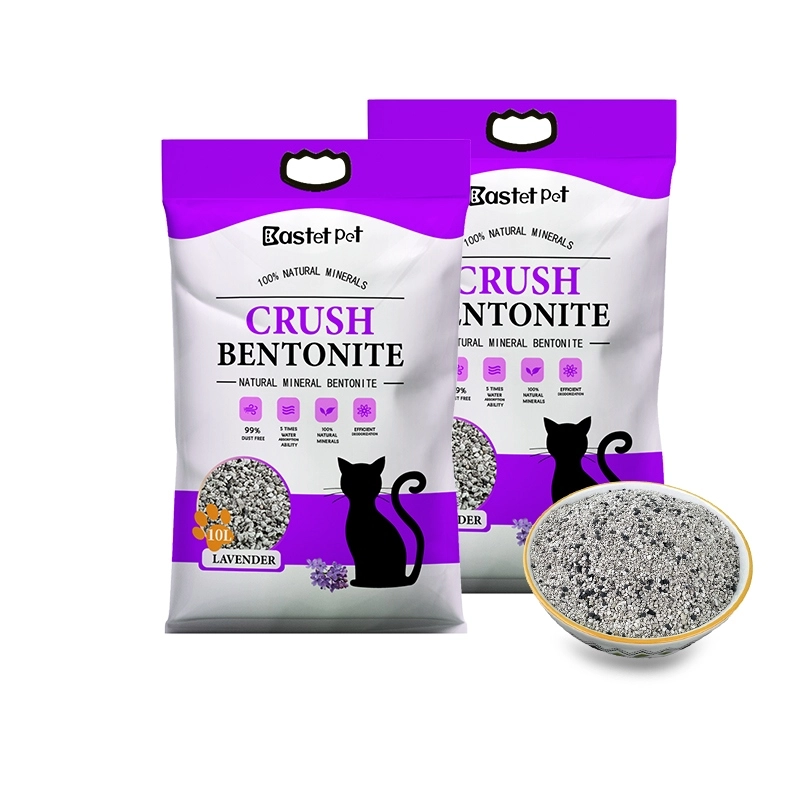
BASTET’s Crush Bentonite Cat Litter uses natural sodium bentonite from Inner Mongolia. This keeps every batch steady. Such dependability means fewer issues for sellers and stronger customer ties.
Processing Flexibility and Customization Options
Sodium bentonite lets makers shape different granule sizes, dust amounts, and scent types to match what buyers want. This ease helps with private labels or local tastes without much trouble.
Subtle Factors That Affect User Experience Beyond Composition
Beyond the basics, small details can shape how well the litter works for users.
Texture Preferences Among Cats
Cats can be picky about litter feel. Sodium bentonite often feels softer on paws than rougher calcium types. So, it suits choosy cats better.
Dust Levels During Pouring and Scooping
Good sodium bentonite litters come with treatments to cut dust. Owners appreciate this. It means less mess and smell around the home.
Soft Mention: How Bastet Pet Approaches Product Design
BASTET works to improve every part of cat litter—from how well it clumps to the packaging—drawing from real input by pet owners in various places. Whether you tweak scents or granule size for machine use, this company offers solid options for business with reliable results.
FAQ
Q1: Is sodium bentonite safe for cats?
Yes, when properly processed, it’s non-toxic and widely used in premium clumping litters.
Q2: Can I flush sodium bentonite cat litter?
No, it expands with water and can clog plumbing—always dispose of it in household trash.
Q3: Does calcium bentonite control odor well?
Not as effectively as sodium bentonite; it absorbs slower and allows more odor escape.
Q4: Which type produces less dust?
High-quality sodium bentonite with dust-control treatment generally produces less airborne dust than untreated calcium options.
Q5: Can I mix both types in one litter box?
It’s not recommended; mixing reduces the clumping efficiency of sodium bentonite due to inconsistent absorption behavior.