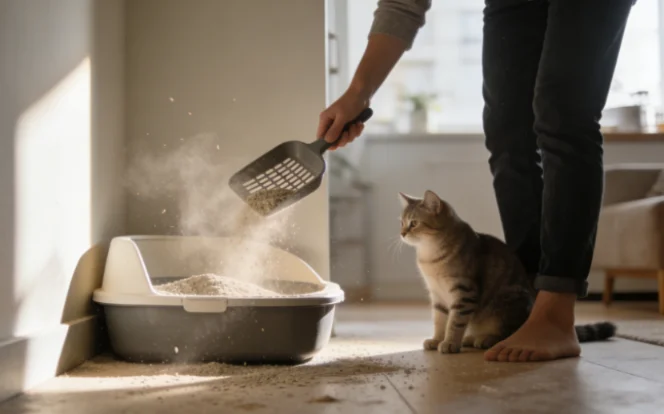
Your cat walks into the litter box, does a quick, quiet squat, covers just enough and strolls away like nothing happened. No loud digging, no dramatic scratching. If you have caught yourself thinking, “why is my cat silent in the litter box?”, you are not alone.
Silent pooping looks calm on the surface, but as a pet owner you still worry: is this normal cat poop behavior, or is your cat hiding discomfort? The good news is that quiet trips are often healthy habits, shaped by instinct, personality, and how the litter box is set up.
Let’s breaks that down in simple terms, so you can read your cat’s behavior, tidy the box in a smart way, and choose litter that fits a stealthy “ninja” style without turning daily cleaning into a project.
What Does Silent Pooping Say About Your Cat?
Before changing litter or moving the box, it helps to read the behavior itself. Silent pooping usually points to a cat that knows the routine, feels reasonably safe and does not feel forced to signal anything with noise. You are basically seeing a low-drama version of normal cat poop behavior.
A Natural Instinct To Stay Out Of Trouble
Outdoors, cats avoid drawing attention when they eliminate. Strong smells or loud scratching can attract other animals, so many felines bury waste and move away fast. Indoor cats still carry this instinct. That is one simple reason why some cats dig quietly and leave the box without fanfare.
If the litter clumps fast and holds odor, your cat can cover the spot quickly and leave in peace. Plant based litters made from cassava or other crops are often praised for tight clumps and strong odor control, which makes this quick “do it and go” style much easier.
Personality Also Plays a Role
Not every cat behaves the same way. Some shout their success to the whole house, others behave like secret agents. Quiet, cautious cats tend to keep toilet trips small and tidy. Bolder cats often scratch the side of the box or even meow afterwards.
For sensitive pets, the best litter for shy or anxious cats is usually soft, low noise and not heavily scented. That sort of setup gives them confidence to use the box without rushing or turning it into a big event.
How Do Environment And Litter Shape This Silent Habit?
Even a relaxed cat reacts to the room around the litter box. If you want to know how to make your cat comfortable using the litter box, start with a simple checklist: place, noise level and litter feel. You do not need anything fancy, just a corner that feels safe and a product your cat can tolerate every single day.
A Safe, Low-Traffic Spot Helps
Most welfare groups suggest placing trays in quiet, low-traffic areas, away from loud appliances and away from food bowls. A noisy washing machine or a slamming door right next to the box can turn even a confident animal into a hurried one.
If your cat already poops in silence, a calm corner supports that habit. Your cat can step in, take a moment to check surroundings, do its business and leave without sudden scares. That simple layout cuts a lot of stress you never see.
Why Texture And Sound Matter
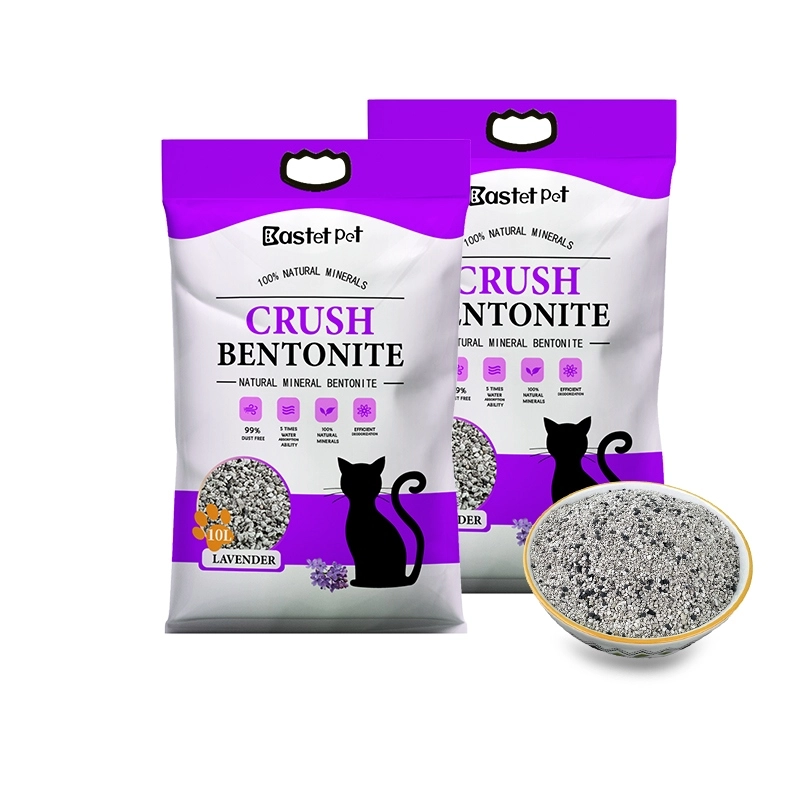
The litter itself has a big say in how your cat behaves. Coarse mineral litter can be loud and hard on the paws, which is not ideal for quiet litter box visits. Many owners who want truly quiet litter for cats look for products with fine, soft particles that move gently when scratched.
Soft cat litter that is plant based tends to tick several boxes at once: gentle texture, low noise and usually lower dust levels. Studies and brand descriptions for plant-based products often highlight low dust cat litter as a benefit for both feline lungs and human airways, especially when compared with some clay litters.
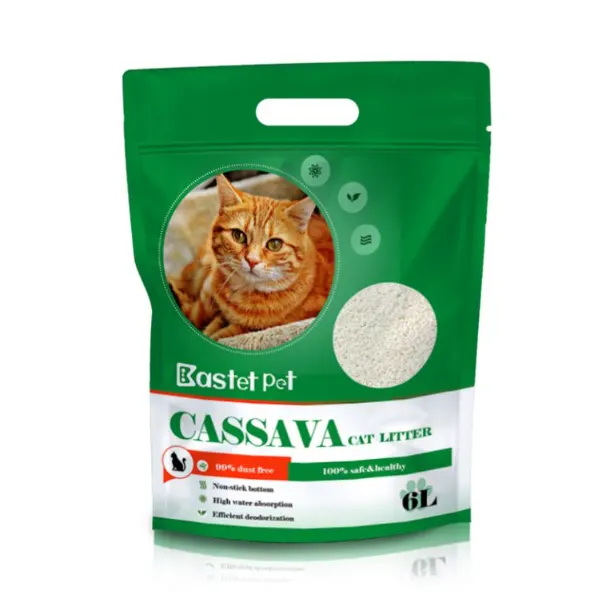
A well-made cassava cat litter adds another layer: strong clumping from natural starch, plus good odor control, so your cat does not have to dig for long just to feel the box is clean enough.
Could Silent Pooping Be Linked To Health?
Most stealth ninja cats are healthy. Still, silence alone should not be your only signal. What matters more is the full pattern: how often your cat goes, how it looks when using the box, and whether the stool itself has changed.
Signs That Deserve More Attention
You should pay closer attention and contact a vet if you see any of these together with a change in toilet style:
- Straining or staying in the box much longer
- Crying, sudden aggression, or licking the rear often
- Very hard, small stools or no stool for more than a day
- Pooping outside the box after using it well for a long time
These signs can point to constipation, pain, or other medical problems that need professional help. Silent pooping on its own, with normal stool and normal energy, is usually just a tidy variation of regular behavior.
How Litter Choice Supports Daily Checks
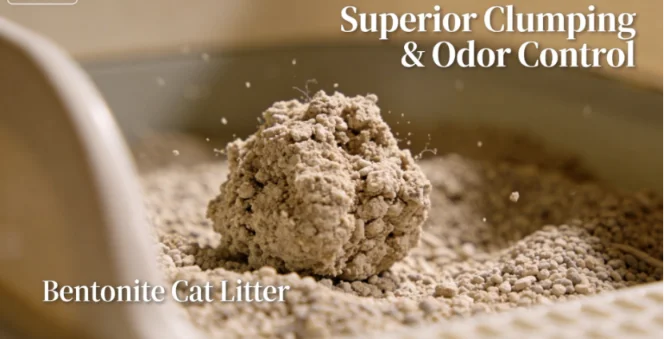
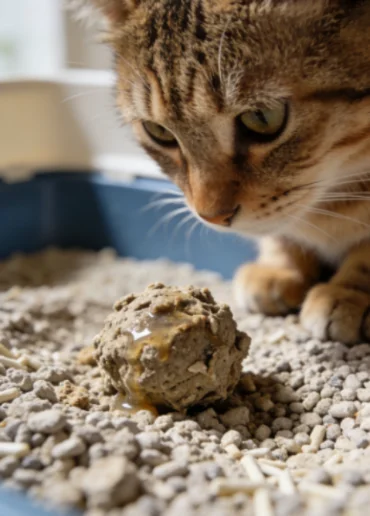
Good clumping makes your life easier. When clumps form cleanly around urine and stool, you can see stool size and shape in seconds, without digging through sludge. Many plant-based products are designed to clump tightly and keep odors lower, which helps you track small changes day by day.
Here you also start to see real plant-based cat litter benefits in practice: quick scooping, less smell hanging around the box, and a surface that looks inviting, not like a mud flat.
How To Choose Litter For A Stealth Ninja Cat?
If your cat already uses the box calmly, your goal is simple: keep that experience steady. You want a product that matches your cat’s style so you are not fighting small problems every week.
Features That Matter For Quiet Cats
For a silent, tidy user, these points usually matter most:
- Fine grains that are soft underfoot
- Strong, quick clumping so waste disappears fast
- Natural odor control instead of heavy perfumes
- Low dust, especially in small apartments
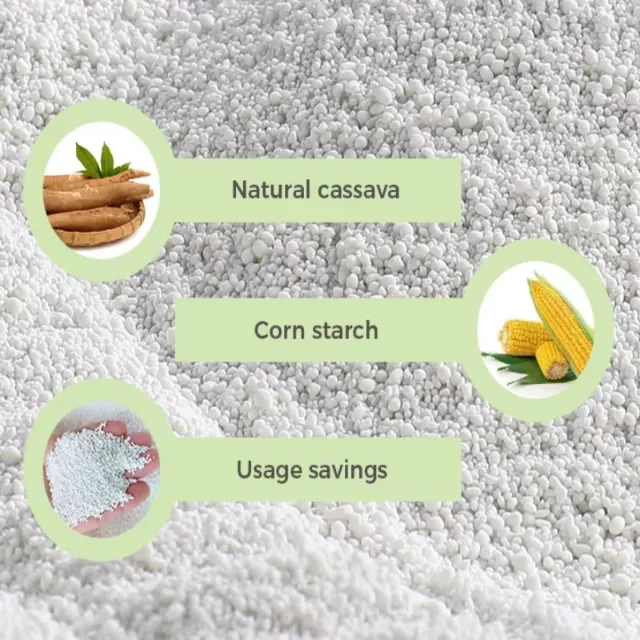
Good natural plant cat litter made from cassava or similar crops can cover all of these, while also being biodegradable and easier on the environment than some mined products. For owners who like to think long term, this kind of option blends daily practicality with a lighter footprint.
If you want the best litter for shy or anxious cats in your home, combine those product features with a steady routine: same box spot, steady cleaning, no frequent big changes.
Switching Without Stress
When you switch to a new formula, slow is better. Mix a small amount into the old litter first, then gradually increase the share of the new one over a week. This gives your cat time to get used to the feel and smell without a shock.
During this period, watch how your pet behaves. If your cat goes in, sniffs, digs lightly and still poops in silence, you are on the right track. For many homes, an eco-friendly cat litter that is low dust and clumps well ends up making both the cat and the person with the scoop a bit happier.
Why a Reliable Litter Partner Matters for You and Your Cat
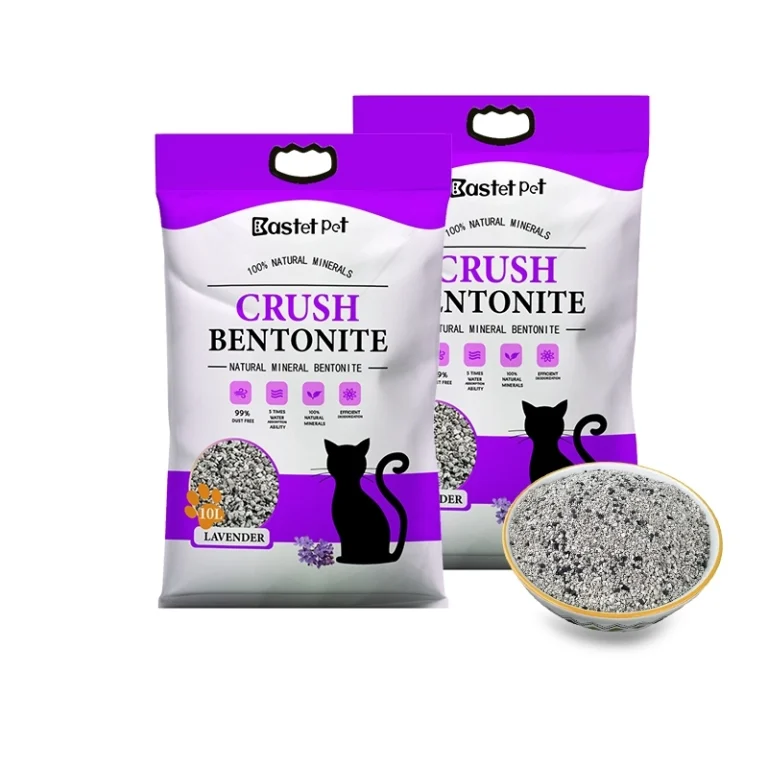
BASTET (Tianjin) Pet Products Co., Ltd., referred to as Bastet Pet, is a specialist cat litter manufacturer with a strong focus on export markets. Bastet Pet as a factory rather than a simple trading company, producing high quality cat litter for partners in different countries and regions. Their activity at industry events and trade fairs shows product lines that cover several litter types, including bentonite, tofu and plant-based blends, aimed at various price levels and user habits. For buyers who need stable bulk supply, OEM service or private label cooperation, this kind of factory background gives more control over formulas, packaging and long term planning. In short, Bastet Pet positions itself as a production partner that helps clients build or upgrade their own litter brands rather than just selling boxes off a shelf.
FAQ
Q1: Is It Normal That My Cat Poops In Total Silence?
A: Yes. Many healthy cats prefer quiet, quick trips to the litter box, especially if the box sits in a calm corner and the litter feels good on their paws. As long as the stool looks normal and your cat behaves normally in other areas, silent pooping is just one version of normal behavior.
Q2: How Can You Tell If Silent Pooping Hides A Problem?
A: Look at the full picture, not just the noise level. If your cat strains, visits the box often with no result, cries, or starts leaving small hard stools, something is off. Pooping outside the box after a long period of good habits is another warning sign. In these cases, a quick call to your vet is better than waiting.
Q3: What Is The Best Litter For Shy Or Anxious Cats?
A: Shy cats usually do best with soft texture, low dust and minimal noise. A gentle, clumping, plant based product suits these cats better than rough or heavily scented options. Paired with a quiet location, this kind of litter helps nervous cats feel safer and stick to the box.
Q4: How Do You Make Your Cat More Comfortable Using The Litter Box?
A: Keep the box in a quiet spot, scoop daily, and avoid sudden changes to litter type or box style. Give your cat enough space to turn and dig, and keep food and water in a separate area. Over time, a routine like this builds trust, and many cats settle into that calm “ninja” style you see now.
Q5: Why Does My Cat Dig So Softly Compared To Other Cats?
A: Every cat has its own digging style. Some make a big show and scratch the sides, others barely move the litter. Soft digging often reflects confidence and comfort with the box, especially when the litter is fine and easy to move. Quiet digging plus regular, healthy stools is usually a very good sign, not a bad one.