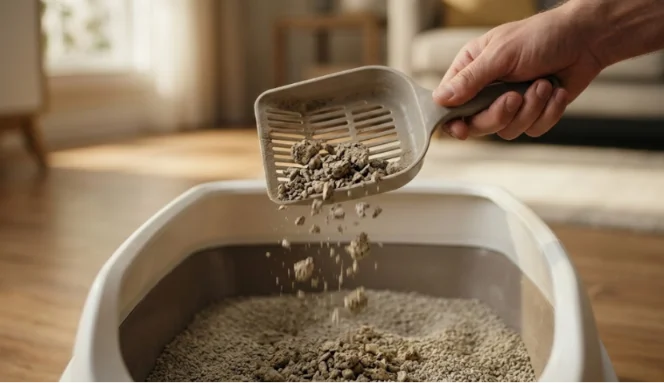
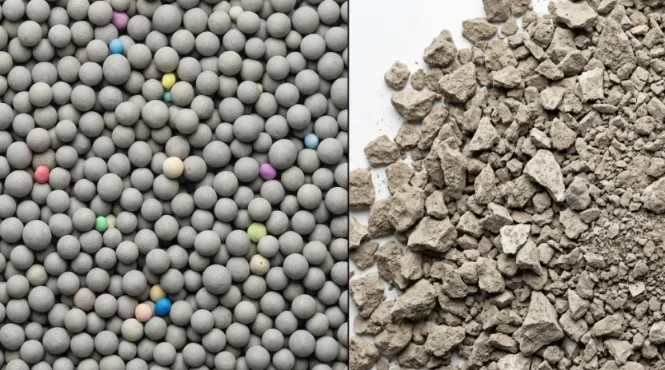
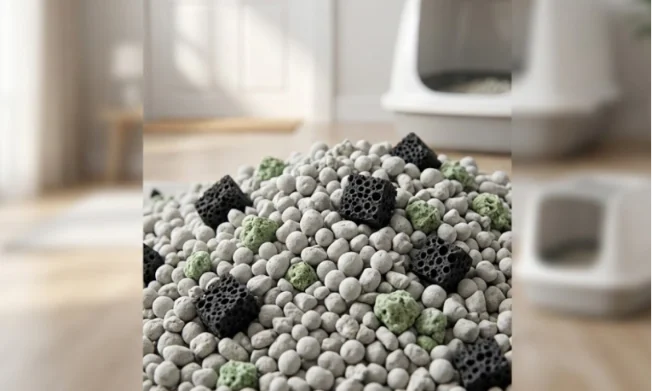
Choosing litter looks simple until you stand in front of a shelf or scroll through a supplier page full of grains, pellets, colors, and claims. You see many different types of cat litter, each saying it is the cleanest, the most natural, or the easiest to scoop. At the same time you still need to control cost, protect your cat’s health, and keep the house from smelling like a box. This guide walks through the main cat litter types used in 2025, so you can stop guessing what is the best type of cat litter for your situation and know how to choose cat litter step by step, whether you buy a few bags for home or a full container as a buyer.
Key Functions of Cat Litter
Before you compare different types of cat litter, it helps to look at what all of them are trying to do. Every formula exists to absorb liquid, trap smell, keep paws comfortable, and fit into your daily cleaning routine. When you see it this way, you stop asking only “what is the best type of cat litter” and start asking “which function matters most for you and your cats”. This shift is also the core of how to choose cat litter in a practical way.
Absorption Capacity
Absorption is the basic job. Good litter pulls cat urine down quickly, spreads it through the grains, and keeps the surface dry. Bentonite cat litter swells when it touches liquid, while crystal cat litter stores moisture inside tiny pores. Plant-based litters like tofu and cassava rely on starch and fiber to lock in water. If absorption is weak, the box turns muddy, clumps fall apart, and you end up cleaning more often than you want.
Odor Control
Odor control is usually the first concern for you and the last thing your guests want to notice. Different types of cat litter handle ammonia in different ways. Bentonite and other mineral litters trap liquid and limit air contact, while crystal litter uses its internal structure to keep smell inside the beads. Tofu and cassava cat litter often add natural or mineral deodorizing ingredients on top of their basic absorption. If smell builds up too quickly, even the best looking litter will feel like the wrong choice.
Clumping vs Non Clumping
Clumping litters form solid balls when wet, so you can lift out only the dirty parts. Non clumping litters absorb liquid but stay loose, then you change a larger portion of the box at once. Clumping bentonite cat litter is very popular because it makes daily scooping simple. Crystal cat litter is often non clumping but lasts longer before a full change. Plant-based litters may clump, but the strength varies by formula. When you think about what is the best type of cat litter for daily work, this clumping behavior is a big piece of the answer.
Dust Level and Respiratory Safety
Dust is easy to forget until a cat sneezes or someone has allergies. Fine mineral bits and broken pieces can float in the air. This happens more in small rooms. Low dust bentonite cat litter and well-checked crystal cat litter cut this issue. Plant-based ones like tofu and cassava are often low in dust by nature. If you live in an apartment or have someone with a sensitive nose, dust level should stay near the top of your list when you decide how to choose cat litter.
Environmental Impact
Some buyers now look at environmental impact as closely as price. Traditional clay and crystal litters are not biodegradable and add weight to household or municipal waste. Tofu and cassava cat litter, along with other plant-based options, can break down more easily and sometimes can go into toilet systems in small amounts when local rules allow it. If you work with eco-focused stores or exports, this part of the comparison between different types of cat litter may drive the whole decision.
Cost and Maintenance
The cheapest litter is not always the lowest cost in real life. A low price bag that needs full replacement every few days can cost more per month than a better product that lasts longer. Bentonite cat litter usually sits in the budget-friendly range. Crystal and high-end plant-based litters cost more per kilogram but sometimes save labor in large catteries or multi-cat homes. When you think about how to choose cat litter, combine unit price with how often you will scoop, top up, and change the box.
Bentonite Cat Litter
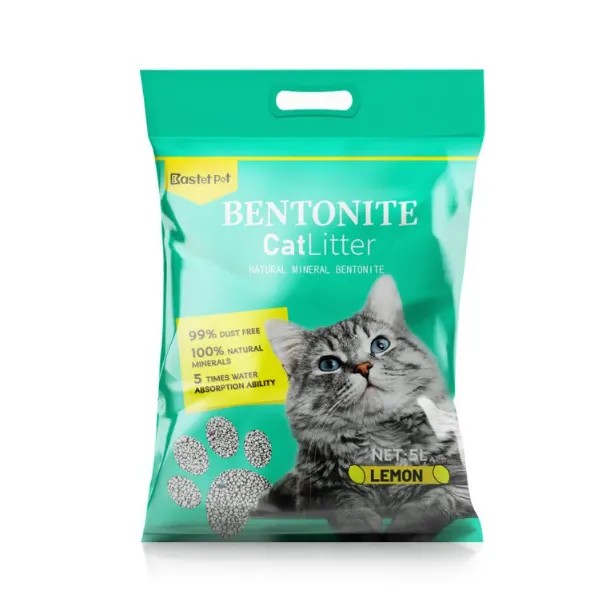
Bentonite cat litter is still one of the most common types worldwide, both in retail and in bulk supply. It is based on a natural clay mineral that swells when it takes in water, which gives you the classic hard clumps many cat owners like. If you picture traditional grey clumping litter in a tray, you are probably picturing this category.
What It Is and How It Works
Bentonite is a kind of clay full of minerals that react with water. When your cat pees, the liquid makes the grains grow and stick. Sodium bentonite often gives bigger, firmer clumps. Calcium bentonite can feel a bit different on paws and may soak in another way. In both cases, the idea is easy: soak up, grow, and make a ball you can scoop clean.
Advantages
The top point of bentonite cat litter is clumping power. Firm clumps mean simple daily cleaning. And a box that stays fresh longer. Good kinds also give strong odor control, since wet spots get shut inside each clump. Many folks like the natural dirt-like feel. So, cats take to it fast, especially if they grew up with clay litter. On the business side, this type is often cheap, which counts for buyers handling big loads instead of one bag.
Disadvantages
The main gripe about bentonite cat litter is dust. Lower grade stuff or very fine bits can make clouds when you pour or dig. The stuff is heavy. So, moving, stacking, and far shipping all add cost. Bentonite is not biodegradable. And it does not break down in dumps like plant-based litter.
Best For
This litter suits multi-cat homes, busy shelters, and customers who want a strong clumping action and simple daily scooping. If someone asks you what is the best type of cat litter for heavy use and tight budgets, a high quality clumping bentonite cat litter is still one of the first answers.
For a deeper look into the ingredients and safety of this material, read our article: What Is Bentonite Cat Litter? Composition & Safety.
Crystal Cat Litter
Crystal cat litter, sometimes called silica gel cat litter, looks very different from clay. It comes as translucent or colored beads instead of powdery grains. Many people notice it when they look for low maintenance options or products that pair well with automatic litter boxes.
What It Is
Crystal cat litter is made from silica, a porous material that holds liquid inside its structure. Each bead pulls in moisture, then slowly releases it so the surface can stay dry for longer. Some versions include color indicators to show when the litter is reaching its limit.
Advantages
The big selling points are strong odor control and long usage time. A tray filled with crystal cat litter can often stay in place longer before a full change, as long as you remove solid waste daily. The beads are usually lighter than clay, which helps with carrying and shipping. When you look at different types of cat litter through a labor-saving lens, crystal stands out.
Disadvantages
Most crystal litters are non clumping, so you scoop feces but leave the urine to dry inside the beads until replacement day. Some cats dislike the feel of the hard, irregular beads under their paws. If the product is not well screened, smaller glassy particles can still create dust. Crystal cat litter is not biodegradable and does not suit every eco-focused buyer.
Best For
Crystal cat litter works well for people who want strong odor control with less frequent full changes, and for some automatic litter box designs that call for this material. When customers ask how to choose cat litter for busy weeks or small spaces, this type can be a good candidate, as long as the cat accepts the texture.
Curious about how these beads work? We explain the science in What Are Cat Litter Crystals Made Of?
Tofu Cat Litter
Tofu cat litter belongs to the plant-based group and has grown quickly in markets that like eco-friendly and low dust products. It is made from soybean by-products and other natural fibers pressed into small columns or pellets.
What It Is
Makers take plant fiber, starch, and other food-grade stuff. Then they press and cut them into even pieces. These pieces break apart when they soak water. So, the wet parts can clump or at least stick during scooping.
Advantages
Tofu cat litter is often biodegradable. Many mixes are flushable in small amounts where local plumbing allows it. It tends to have very low dust, which helps cats and people who react badly to fine particles. The light weight makes bags easier to move and store. When you line up different types of cat litter and look only at comfort, tofu is usually in the top group.
Disadvantages
Tofu litter can soak moisture from the air if stored bad. This might lead to soft spots or mold. Clumps are not always as rock-solid as bentonite, especially in cheaper products. Odor control depends a lot on the recipe, so one brand can perform very differently from another. Prices are often higher than basic clay.
Best For
Tofu cat litter fits homes with sensitive cats, allergy-prone families, and buyers who talk a lot about sustainability. If you need to answer what is the best type of cat litter for eco minded customers who still want clumping, this is often in the short list.
See why this is the best eco-friendly choice in The Ultimate Guide to Tofu Cat Litter (2026 Edition).
Cassava Cat Litter
Cassava cat litter is another plant-based option, made from cassava starch and related natural materials. It sits close to tofu cat litter in the market but has its own small features.
What It Is
Cassava litter uses processed cassava roots and starch to form pellets or granules. When wet, the structure swells and can clump together while keeping dust quite low.
Advantages
Like tofu, cassava cat litter is biodegradable and can feel soft on paws. Many formulas are almost dust free and still offer fast clumping, so the box looks tidy after scooping. The grains are lighter than clay, which helps everyone who carries, stacks, and ships them.
Disadvantages
Cassava litter needs dry, cool storage. If bags stay open or sit in very humid rooms, the pellets may soften too early. Clump strength and odor control can vary between producers. Costs will usually sit in the same range as other plant-based litters.
Best For
Cassava cat litter suits apartments, small homes, and buyers who want low dust, plant-based products with simple daily maintenance. When you compare different types of cat litter for a modern, eco-focused pet retail shelf, this type fits right next to tofu.
Other Cat Litter Types
Beyond bentonite, crystal, tofu, and cassava, there are other types of cat litter that appear in smaller volumes. You still meet them as niche products or local favorites, so they are worth a quick look when you design a full product line.
Wood and Paper Litter
Wood pellet litters use compressed sawdust or wood fibers. They smell naturally woody and absorb urine well, but most do not clump and can break down into fine dust over time. Recycled paper litter comes as pellets or crumbs, with very low dust and a soft feel, but weaker odor control and higher replacement frequency.
Corn, Wheat and Mixed Grain Litter
Corn and wheat-based litters focus on biodegradability and gentle texture. They may clump and they often promote natural odor control with enzymes or starch. At the same time, they can draw pests or develop smells if storage and cleaning are not careful. Mixed grain formulas try to balance these points by blending several plant bases.
Cat Litter Performance Comparison Table
When you put different types of cat litter side by side, a simple table helps you and your customers see trade-offs at a glance.
| Cat Litter Type | Clumping Strength | Odor Control | Dust Level | Eco Friendly | Typical Cost Level | Best For |
|---|---|---|---|---|---|---|
| Bentonite | High | High | Medium | Low | Low | Multi-cat, budget buyers |
| Crystal | Low | Very High | Low–Medium | Low | Medium | Low maintenance, small spaces |
| Tofu | Medium | Medium–High | Low | High | Medium–High | Sensitive cats, eco users |
| Cassava | Medium | Medium–High | Very Low | High | Medium–High | Low dust homes, plant-based fans |
| Wood/Paper | Low | Low–Medium | Medium | Medium–High | Low–Medium | Niche, short-term use |
This table will never replace your own tests, but it gives a quick base when you explain how to choose cat litter to someone who feels lost.
How To Choose the Right Cat Litter?
When you face all these bags and bulk codes, the key question is not only “what is the best type of cat litter” in general, but “what is the best type of cat litter for this cat, this room, and this budget”. A simple framework makes the choice easier. You can also share it with your customers, so they feel more confident and trust your advice.
Consider Your Cat’s Health and Behavior
If a cat has a history of asthma, sneezing, or eye irritation, low dust options like tofu or cassava cat litter may give you fewer problems than rough mineral products. Some cats dig a lot and prefer fine grains similar to soil, which points back to bentonite cat litter. Others like a gentler, softer surface. Watching how a cat enters, digs, and leaves the box often tells you more than any spec sheet.
Consider Your Home and Cleaning Habits
For small apartments, odor control is vital. Crystal cat litter and good bentonite clumping litters help keep smell down between scoops. For very busy households, litter that clumps fast and scoops cleanly can turn a chore into a quick task. If someone hates carrying heavy bags up stairs, lighter plant-based litters suddenly look more attractive. Different types of cat litter answer these small lifestyle details in their own way.
Consider Environmental Goals and Budget
Some families and many retailers now place real value on biodegradable or plant-based products. Tofu and cassava cat litter fit those goals better than traditional clay or crystal. At the same time, budget limits are real. A strong bentonite cat litter can still be the smartest pick when you need solid performance at the lowest price. The best advice on how to choose cat litter usually starts with simple questions about priorities: health, smell, cleaning time, sustainability, and monthly cost.
Conclusion: Finding the Right Litter Mix for You and Your Cat
There is no single product that wins in every category. That is why the market offers so many different types of cat litter. Mineral options like bentonite and crystal give you strong clumping or powerful odor control. Plant-based options like tofu and cassava bring low dust and better environmental stories. When you guide customers or choose for your own cats, focus less on marketing claims and more on the daily reality in the box. If you keep asking how to choose cat litter based on real needs, not trends, you will move closer to what is the best type of cat litter for each situation, not just on paper but in daily life.
Bastet Pet As Your Cat Litter Partner
Bastet Pet As Your Cat Litter Partner
BASTET (Tianjin) Pet Products Co., Ltd.(Bastet Pet) is a specialist factory devoted to cat litter and related pet products. The company focuses on bentonite cat litter, tofu cat litter, crushed bentonite cat litter, cassava cat litter, and crystal cat litter, so you can source all key categories from one supplier. With a dedicated production line and an in-house development team, Bastet Pet can adjust granule size, clumping speed, fragrance, and packaging to match different markets and customer profiles. Strict quality control runs on every batch to keep dust levels low and performance stable, which matters when you build your own label or long-term brand. At the same time, Bastet Pet offers competitive pricing and flexible OEM and ODM service, helping importers, distributors, and online brands launch or expand cat litter ranges without building a factory from scratch. If you are planning the next step for your cat litter business, this kind of focused manufacturing partner can save you a lot of trial and error.
FAQ
Q1: What is the best type of cat litter for a first-time cat owner?
A: A good clumping bentonite cat litter is usually the easiest start. It scoops clean, most cats accept it, and you can later try plant-based options if you want.
Q2: How do you choose cat litter for a cat with allergies?
A: Look for low dust and mild or no fragrance. Tofu and cassava cat litter, plus some low dust bentonite formulas, are common choices for sensitive cats.
Q3: Is crystal cat litter safe to use every day?
A: For healthy adult cats, crystal cat litter is generally fine if you scoop solids daily and keep the box in a ventilated place. For respiratory issues, a low dust alternative may be safer.
Q4: Can you mix different types of cat litter in one box?
A: Yes, and mixing can help when you switch from one type to another. Just avoid changing the mix too often, so your cat does not feel confused.
Q5: How often should you change the litter completely?
A: Daily scooping is the base. Full changes depend on the type and number of cats, but many homes refresh bentonite every two to four weeks and plant-based or crystal a bit sooner if there is smell.