سوق مستلزمات الحيوانات الأليفة غارقٌ تماماً في ملصقات "خالٍ من الغبار بنسبة 99.9%". تفتح كيساً جديداً من رمل القطط المصنوع من البنتونيت، وتسكبه في صندوق الرمل، فتنتشر سحابة كثيفة من المسحوق الرمادي على يديك والجدران المحيطة على الفور.
يحدث ذلك طوال الوقت. صحيح. استخلاص غبار فضلات القطط لا يمكن تحقيق ذلك بمجرد هزّ الصخور المسحوقة عبر غربال معدني رخيص. بل يتطلب الأمر هندسة ديناميكية هوائية متطورة ومتعددة المراحل. دعونا نلقي نظرة فاحصة على كيفية عمل مصانع رمل القطط المعدني الحقيقية اليوم لمنع انتشار غبار السيليكا الضار في الهواء.
ما الذي يسبب وباء "الغبار المزيف الخالي من الغبار" في صناعة الحيوانات الأليفة؟
لنكن صريحين تمامًا بشأن الكهرباء الساكنة والاحتكاك أثناء النقل. تحتك فضلات القطط المصنعة بشكل سيئ ببعضها البعض أثناء الشحن الدولي. يؤدي الاهتزاز المستمر إلى تكسير الحواف الضعيفة وتوليد غبار دقيق ثانوي. قد تشتري دفعة تبدو نظيفة نوعًا ما في المصنع، ولكن بحلول الوقت الذي تصل فيه إلى رفوف المتاجر بعد أشهر، تكون مغبرة للغاية مرة أخرى.
تفشل طرق الغربلة التقليدية ذات الشاشة الواحدة تمامًا في مراعاة هذا التدهور أثناء النقل. وهذا يُهدد سلامة الجهاز التنفسي للقطط بشكل مباشر، ويُسبب نوبات ربو مفاجئة لدى القطط الحساسة، مما يؤدي إلى شكاوى فورية من العملاء.
الآليات الأساسية لأنظمة استخلاص غبار فضلات القطط الحديثة
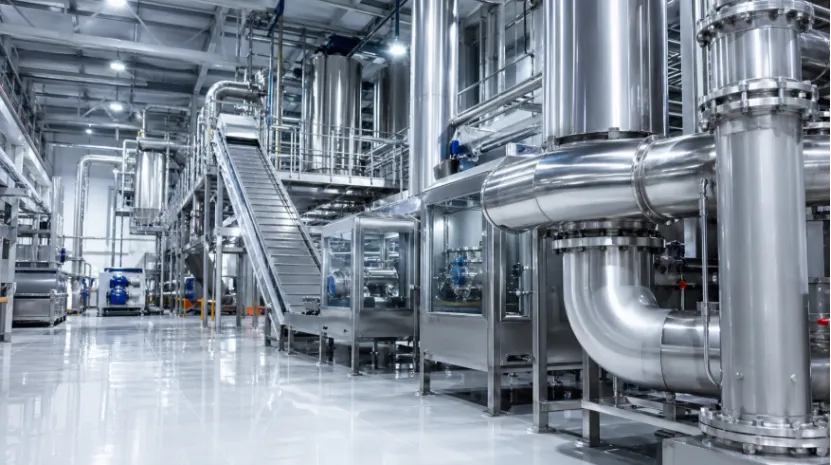
حديث تصنيع البنتونيت الصوديومي تُعامل عملية إزالة الغبار كعملية ديناميكية هوائية مستمرة، وليست مجرد نقطة تفتيش لمرة واحدة. عند دخولك إلى منشأة من الطراز الأول، لن ترى سيور نقل مكشوفة تنثر الغبار في كل مكان. بدلاً من ذلك، تهيمن أنظمة الحلقة المغلقة والأنابيب المعدنية الضخمة على أرضية الإنتاج. هذا النهج متعدد الطبقات هو بالضبط كيف تُنجز المصانع المتميزة عملها على أكمل وجه.
عمليات الفحص الاهتزازي متعددة المراحل
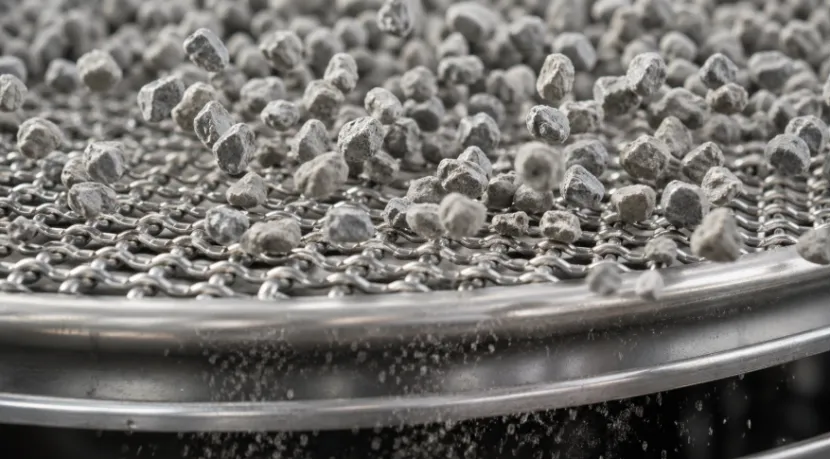
تبدأ العملية بمرحلة الفصل الميكانيكي. تستخدم منصات اهتزازية ضخمة شبكاً بأحجام دقيقة للغاية، موضوعة فوق بعضها البعض. تعمل هذه المنصات على عزل حبيبات البنتونيت الصوديومية النقية عن الحطام المتكسر والكتل الخام الضخمة. إذا أخطأ المصنع في هذه المرحلة واستخدم حجماً غير مناسب للشبك، فإن باقي خط الإنتاج سيتأثر بشكل كبير. تتميز هذه العملية بصوتها العالي، وقوتها، وفعاليتها العالية في التعامل مع القطع الكبيرة.
تقنية الفصل الإعصاري عالي السرعة
بعد ذلك، تصل المادة إلى فواصل الإعصار. هنا، تعمل قوة الطرد المركزي الهائلة على فصل الجسيمات متوسطة الكثافة عن تدفق المادة الأساسي. تستخدم تقنية فصل الإعصار قوانين الفيزياء الأساسية لسحب الحبيبات المتكتلة عالية الكثافة بعيدًا عن سحب الغبار منخفضة الكثافة.
تتساقط الحبيبات الثقيلة والجيدة مباشرةً إلى الأسفل، بينما يُسحب الغبار الأخف وزنًا إلى الأعلى ويُبعده الدوامة. يبدو الأمر بسيطًا نظريًا، ولكنه يتطلب معايرة دقيقة لتدفق الهواء.
مرشحات أكياس الهواء ذات الضغط السلبي ومرشحات النبض النفاث
هذه هي المرحلة النهائية الحاسمة. تعمل مرشحات الأكياس النفاثة النبضية على التقاط الجسيمات المجهرية التي تتسرب من الفواصل الإعصارية. من خلال تشغيل خط الإنتاج بأكمله في بيئات ذات ضغط سلبي، تمنع المصانع الغبار الدقيق من الاستقرار مرة أخرى على الفرش النظيفة قبل التعبئة النهائية. إذا لم يطبق المصنع نظام الضغط السلبي، فإنه ببساطة يقوم بنفخ هواء ملوث في أرجاء المكان على أمل أن يكون كل شيء على ما يرام.
كيف تقيّم قدرات الشركات المصنعة للمعدات الأصلية في مجال تصنيع رمل القطط؟
عند البحث عن منتجات بكميات كبيرة، يتطلب اختيار الشريك المناسب النظر إلى ما هو أبعد من مجرد كتيبات المبيعات البراقة. اطلب معرفة معدلات كفاءة الاستخلاص لديهم، واطلب نتائج اختبارات تراكم الغبار بعد النقل. هنا تحديدًا تبرز أهمية اختيار مورد متخصص في بيع رمل القطط بالجملة، مثل باستيت بيت، لما لذلك من أثر إيجابي على أرباحك النهائية.
بصفتها مصدرًا مباشرًا للمصانع، تحافظ شركة باستيت بيت على سيطرة تامة على سلسلة التوريد بأكملها، بدءًا من احتياطيات المعادن الخام الممتازة. ولا تقتصر مهمتها على كونها وسيطًا فحسب، بل تدير أنظمة استخراج آلية بالكامل ومغلقة الدائرة، مصممة خصيصًا لإنتاج المعادن عالية الجودة. إنتاج رمل القطط من قبل مصنعي المعدات الأصلية. يستخدم مرفقهم بشكل مكثف غرف الضغط السلبي متعددة المراحل، مما يدفع إزالة الجسيمات دون الميكرون إلى الحد المادي المطلق.
هذا يعني أنه عند شراء منتجاتهم، فإن النفايات تنجو من الشحن البحري دون أن تتحلل إلى غبار عديم الفائدة. إنهم يصنعون منتجات متينة وكثيفة مصممة لحماية سمعة علامتك التجارية على رفوف المتاجر. يمكنك استكشاف كامل إمكانياتهم التصنيعية الصناعية مباشرةً على Bastet الحيوانات الأليفة.
هندسة الصحة: هل تؤثر تكنولوجيا الاستخلاص على سلامة الحيوانات الأليفة؟
لا يقتصر دور إزالة الغبار السطحي على تنظيف أرضيات غرفة المعيشة فحسب، بل يُحسّن أيضًا من مساحة السطح المسامية الدقيقة للطين نفسه، مما يسمح بامتصاص الرطوبة بشكل أسرع ومعادلة الأمونيا بكفاءة عالية، كما أنه يحبس الروائح الكريهة قبل انتشارها في الهواء.
تعمل أنظمة الاستخلاص المتطورة أيضًا على إزالة الحبيبات الهشة والمتكسرة في الوقت نفسه خلال مرحلة الإعصار، تاركةً فقط القطع الصلبة والكثيفة. ينتج عن ذلك حبيبات قليلة التناثر تبقى في صندوق الفضلات بدلًا من أن تلتصق بأقدام القطط المبللة. باختصار، ستحصل على تحكم أفضل بكثير في الروائح وأرضيات منزلية أنظف بمجرد معالجة مشكلة الغبار من المصنع.
أسئلة متكررة
س1: لماذا لا يزال صندوق فضلات القطط الخاص بي، والذي يُفترض أنه "خالٍ من الغبار بنسبة 99.9%"، مليئًا بالغبار؟
ج: الأمر في أغلب الأحيان يتعلق بالغبار الدقيق الثانوي. الاحتكاك المستمر أثناء الشحن يؤدي إلى تفتيت الحبيبات الضعيفة إذا أهمل المصنع استخدام الفصل الإعصاري المناسب.
س2: ما هو مرشح الأكياس النفاث النبضي؟
ج: إنه نظام ترشيح صناعي ثقيل يستخدم دفعات سريعة من الهواء المضغوط لإزالة الجسيمات العالقة دون الميكرون من أكياس الترشيح القماشية الكبيرة.
س3: كيف يُحسّن شفط الغبار من التحكم في الروائح؟
ج: إن إزالة الغبار المجهري من سطح الحبيبات يفتح المسام الصغيرة، مما يسمح لبنتونيت الصوديوم النقي بامتصاص السائل واحتجاز الأمونيا على الفور.
س4: هل يمكن أن يضر غبار السيليكا القطط فعلاً؟
ج: نعم. التعرض المطول لغبار السيليكا المحمول جواً قد يؤدي إلى مضاعفات خطيرة سلامة الجهاز التنفسي للقطط مشاكل مثل الربو والسعال المزمن وتهيج العين.
س5: ما الذي يجب أن أسأله للمورد بشأن مكافحة الغبار؟
ج: اسأل دائمًا عما إذا كانت خطوط إنتاجهم تعمل بالكامل في بيئات ذات ضغط سلبي، واطلب صراحةً بيانات تراكم الغبار بعد النقل.