Los accesorios imprescindibles para un gato en un nuevo hogar son aquellos que facilitan la alimentación, el agua, la eliminación, el transporte seguro, la identificación, el rascado y la actividad diaria. Una amplia gama de productos puede hacer que cada artículo parezca urgente. Una lista de verificación útil comienza con la funcionalidad.
Tu gato necesita un entorno funcional desde el primer día. Los muebles, los dispositivos automatizados y los objetos decorativos pueden añadirse después de que observes la rutina del hogar. Ese es el significado práctico de "cosas que los gatos necesitan".
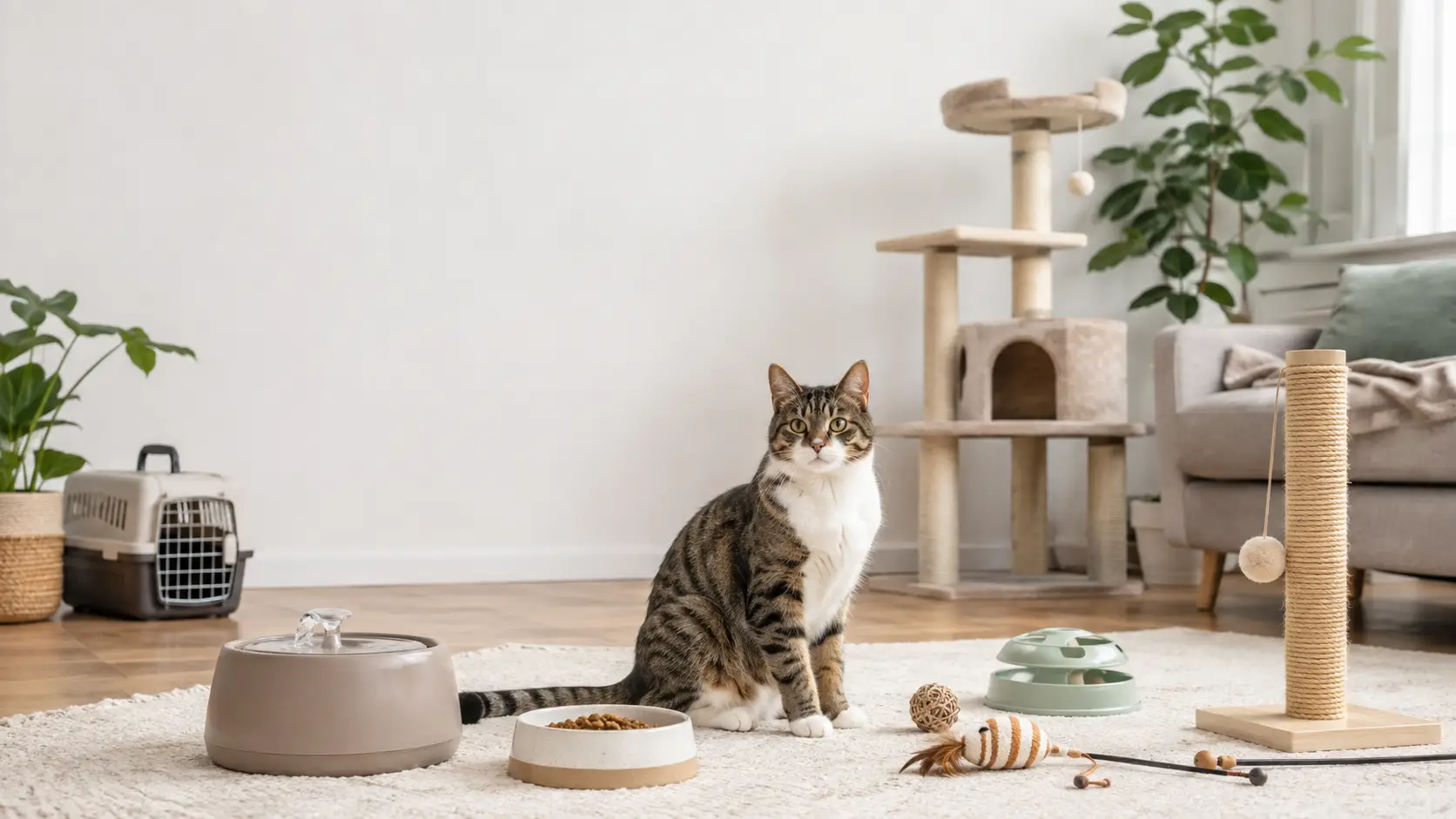
¿Qué accesorios para gatos son esenciales el primer día?
Los artículos esenciales para el primer día cubren las necesidades diarias o de seguridad. Las listas de verificación de la ASPCA y los refugios incluyen comida, agua, arenero, transportín, rascador, juego, aseo, identificación y descanso. El estilo y la cantidad dependen del gato y del hogar.
Instalación de alimentos y agua
Prepara la comida, un plato y un bebedero antes de llegar. Los cuencos estables y fáciles de limpiar simplifican la rutina; las opciones de cerámica y acero inoxidable suelen aparecer en las listas de verificación de los refugios.
Una fuente de agua pertenece a la categoría de elementos útiles. Añádela cuando sus características resuelvan un problema doméstico evidente y la limpieza se ajuste a la rutina.
Mantenga los suministros de alimentación juntos y reemplace las piezas dañadas antes de usarlas. Cada accesorio cumple su función al facilitar una tarea repetitiva.
Arenero, arena para gatos y herramientas para recoger los excrementos.
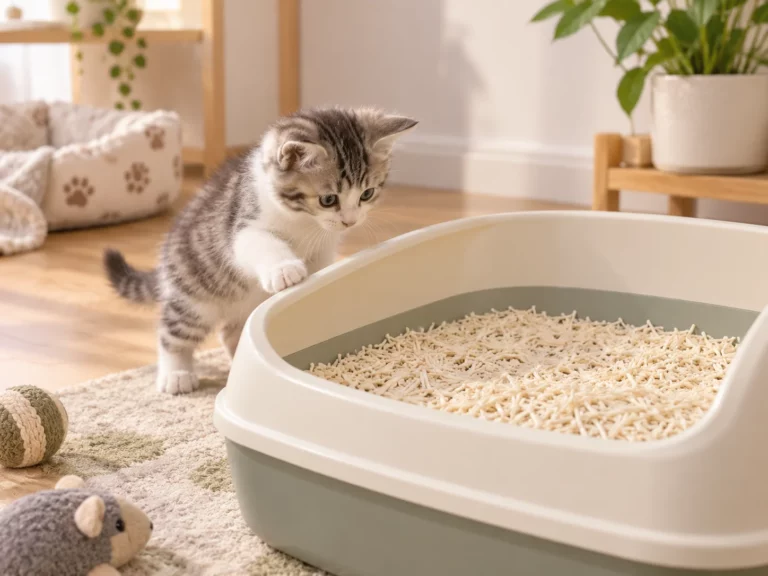
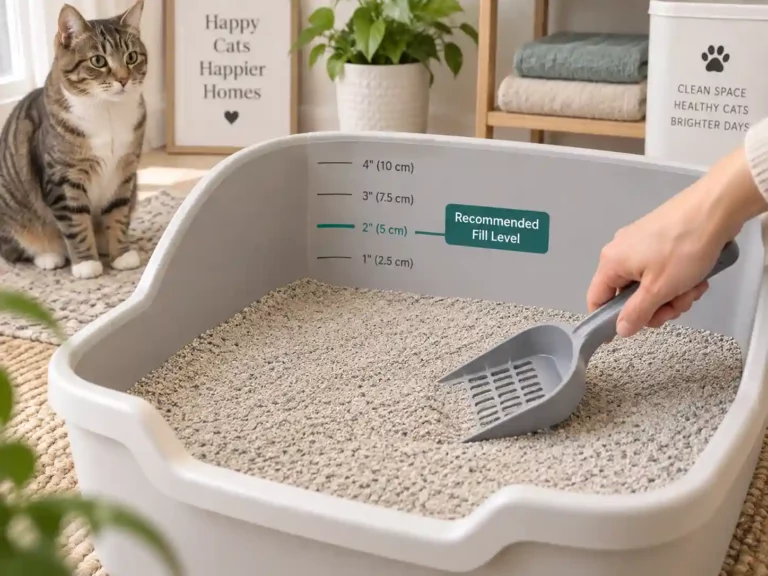
Una caja de arena, arena para gatos y una pala conforman el equipo básico de higiene. Una alfombrilla se añade posteriormente. Elija la arena según su composición, la textura de los gránulos, la cantidad de polvo que genera, su capacidad de aglomeración, su aroma y las instrucciones para su eliminación.
Bastet’ s gama de arena para gatos Incluye las categorías de tofu, mineral, bentonita, cristal y yuca. Compare los tipos de materiales y siga las instrucciones del producto seleccionado.
En la fórmula de tofu inspeccionada de Bastet, se mencionan soja, almidón de maíz y goma guar en la lista de ingredientes, mientras que en el campo de materia prima principal se indican fibra de guisante y almidón de maíz. Las especificaciones del producto indican una absorción de al menos el 400 %, diámetros de 1,0, 1,5, 2,0 o 3,0 mm, una longitud de 10 a 30 mm y un envase interior de 6 o 7 litros. Estas cifras corresponden a dicha fórmula y requieren confirmación para la combinación de aroma y envase seleccionada.
El mismo producto se describe como biodegradable, suave, con control de olores y de aglomeración compacta, con la indicación de que es "99% libre de polvo" y con una tasa inferior al 5%.
Para hogares con varios gatos, la guía de noviembre de 2024 de la Sociedad Protectora de Animales de Atlanta recomienda al menos una caja de arena por gato, más una adicional. Utilice esta cifra como referencia para planificar y verifique la ubicación, el espacio disponible y la facilidad de limpieza.
Un transportista seguro e identificación
Un transportín es indispensable para viajar desde el primer día. La guía de la Sociedad Protectora de Animales de Atlanta indica que debe permitir que el gato se ponga de pie, gire y se acueste cómodamente. Verifique las dimensiones interiores y las instrucciones del producto.
Si se utiliza un collar, las listas de verificación de la ASPCA y SAFE Haven incluyen un diseño de liberación rápida con identificación. Compruebe su ajuste y estado durante el manejo rutinario.
Guarde el transportín en un lugar de fácil acceso para su inspección antes del viaje.
Accesorios para gatos imprescindibles frente a accesorios deseables
La tabla crea una orden de compra.
| Prioridad | Grupo de accesorios | Lo que apoya | Compruébelo antes de comprar. |
|---|---|---|---|
| Día uno | Plato de comida, cuenco de agua, comida | Alimentación e hidratación | Base estable, material lavable, tamaño adecuado. |
| Día uno | Caja de arena, arena, pala | Eliminación y limpieza diaria | Dimensiones de la caja, instrucciones para la arena, ajuste de la pala |
| Día uno | Portador e identificación | Transporte y seguridad básica | El transportín permite ponerse de pie, girar y tumbarse; el collar es de liberación rápida si se utiliza |
| Pronto será útil | Rascador, juguetes, zona de descanso, herramienta de aseo | Cuidado del pelaje, actividad, descanso y rascado | Estabilidad, construcción, superficies lavables y la respuesta del gato. |
| Específico de la situación | Fuente, rascador para gatos, camas adicionales, dispositivos automáticos, alfombrilla para la caja de arena | Comodidad, enriquecimiento o gestión del espacio | Trabajo de limpieza, espacio disponible, necesidades de energía y un propósito claro |
Utilice los diferentes niveles a un ritmo que se ajuste al gato, al tamaño del hogar, a la habitación y al presupuesto.
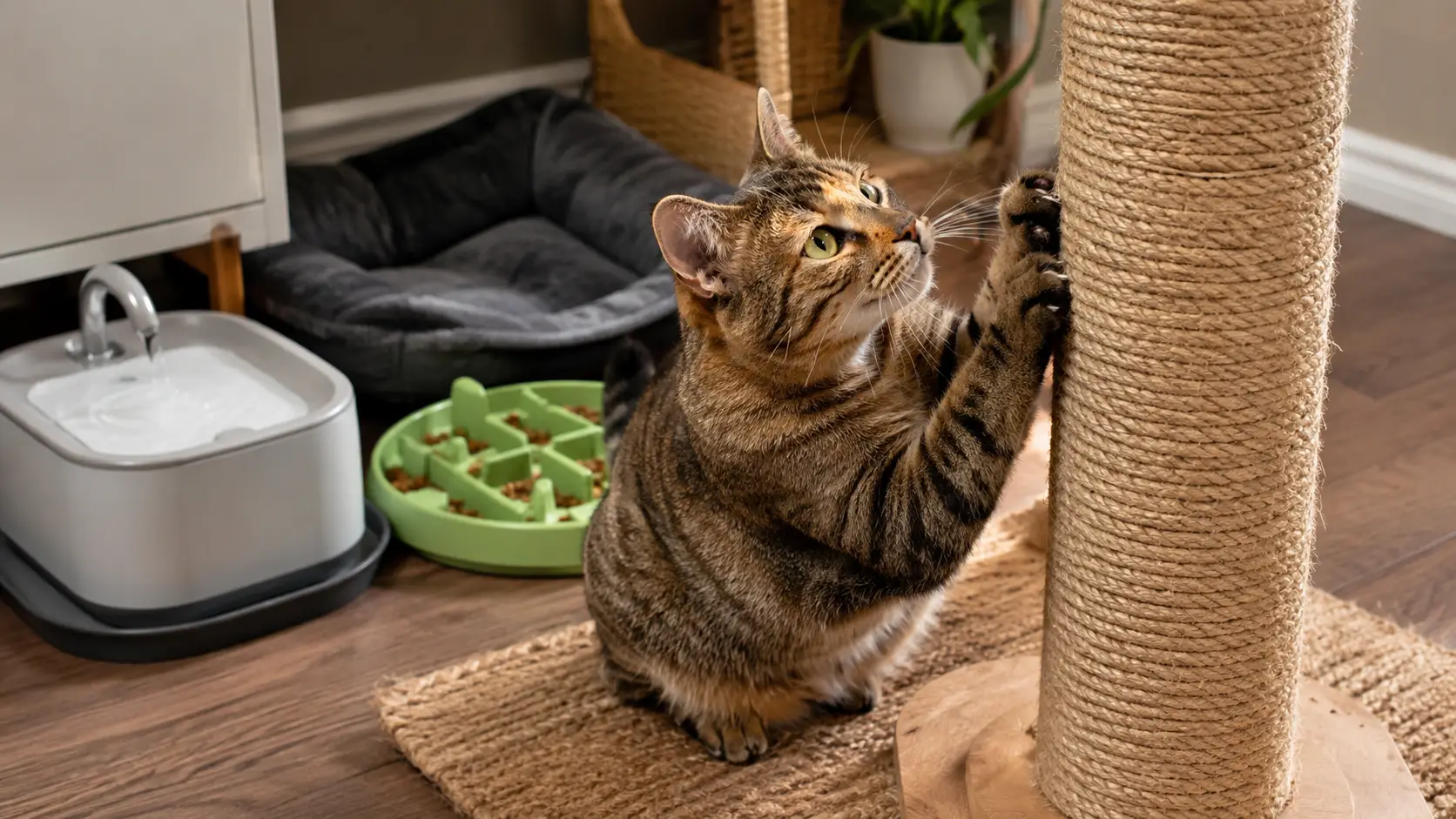
¿Qué accesorios favorecen la comodidad y el comportamiento natural?
Una vez que la configuración básica funciona, los accesorios pueden facilitar el movimiento, el rascado, el juego, el descanso y el aseo.
Espacio para rascar y actividades
Un rascador o una almohadilla proporciona al gato una superficie específica. Las listas de verificación de la ASPCA y SAFE Haven incluyen artículos para rascar. Busque una base estable y una superficie adecuada para su colocación.
Los muebles verticales pueden añadir espacio para actividades o para la observación. Mida primero su superficie y su estabilidad.
Juguetes y juegos interactivos
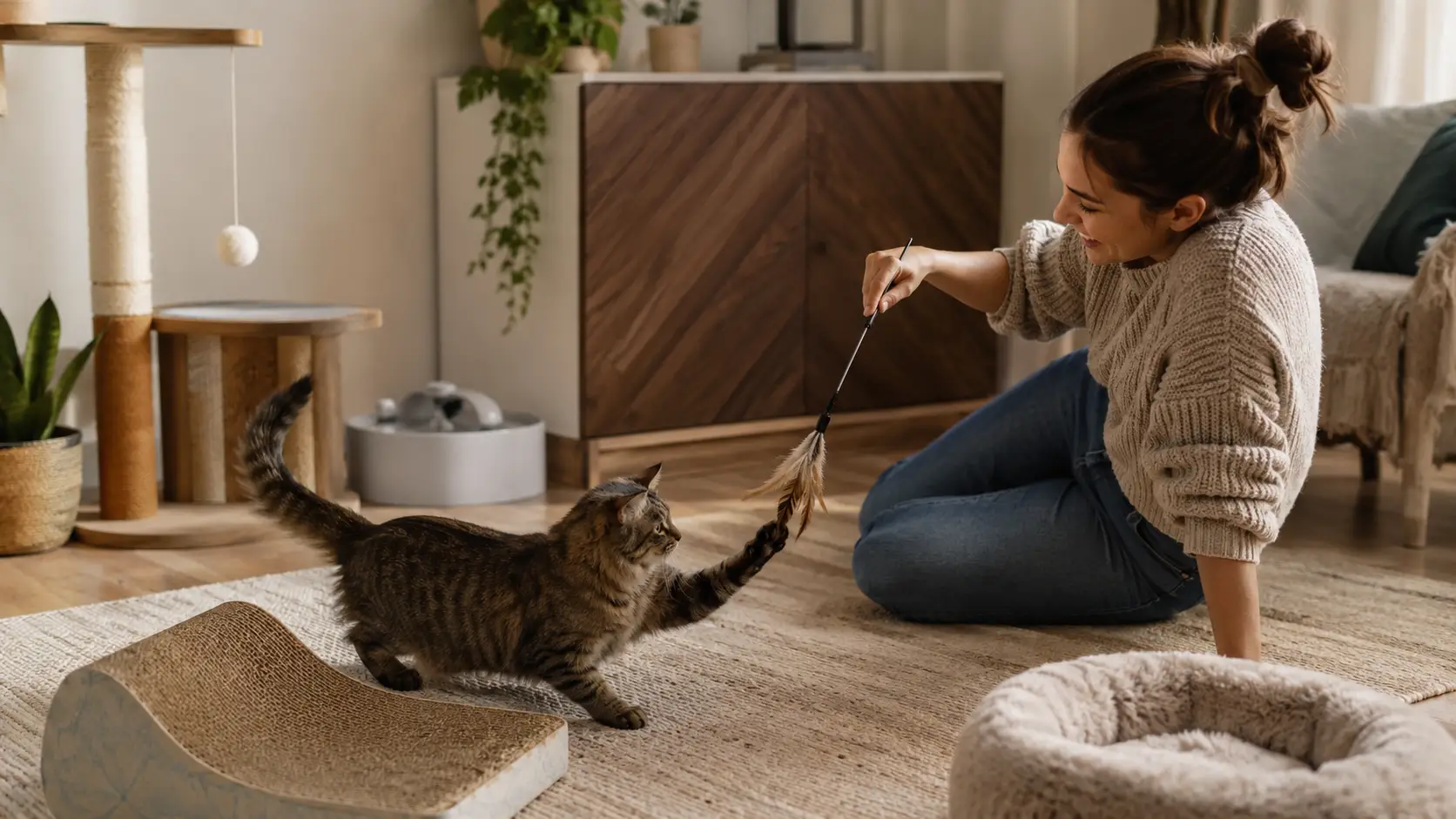
Los juguetes interactivos, los objetos de juego sencillos y los rompecabezas con premios aparecen en las listas de verificación de SERP. Seleccione según el uso, el almacenamiento y las necesidades de inspección. Las piezas sueltas, las costuras dañadas y los hilos largos requieren una revisión más minuciosa.
Mantén los juguetes con cuerda o varitas con la persona durante el juego y guárdalos después.
Camas, escondites y áreas de descanso
Las camas y las zonas de descanso pertenecen a la categoría de artículos de uso inmediato. Compruebe la funda, la base, el tamaño y la ubicación.
Observa dónde elige descansar el gato. La facilidad de uso influye en su elección.
¿Cómo elegir los accesorios para gatos para tu hogar?
Los accesorios adecuados para gatos dependen de su edad, rutina, tipo de pelaje, tamaño del hogar, espacio disponible y capacidad de limpieza. Ten en cuenta estos factores antes de comparar colores o elementos decorativos.
Gatitos, gatos adultos y preferencias individuales
Los gatitos necesitan una supervisión más atenta cerca de piezas pequeñas, materiales masticables y objetos que puedan tragar. Los gatos adultos pueden mostrar preferencias marcadas por la textura, la altura o la superficie de descanso. Lea las instrucciones de edad y uso y observe su reacción.
Las preferencias son información útil. Mantén la lista de verificación flexible y agrega un elemento cuando satisfaga una necesidad específica.
Consideraciones para interiores, varios gatos, espacios reducidos y presupuesto.
Los hogares con gatos de interior necesitan opciones para rascarse, moverse y jugar. Los hogares con varios gatos necesitan acceso a una caja de arena fácil de limpiar. Las habitaciones pequeñas se benefician de muebles que distribuyan el espacio de forma adecuada.
La planificación del presupuesto comienza con el primer día: alimentación, agua, eliminación, recogida de excrementos y transporte seguro. Añada los muebles y los dispositivos automatizados una vez que la rutina esté establecida.
Controles de seguridad, limpieza y reemplazo
Inspeccione cada accesorio antes de usarlo y durante la limpieza habitual. Busque telas deshilachadas, enganches sueltos, bases inestables, humedad atrapada y plástico dañado. Siga las instrucciones de limpieza y reemplace los artículos cuando su estado deteriore su seguridad.
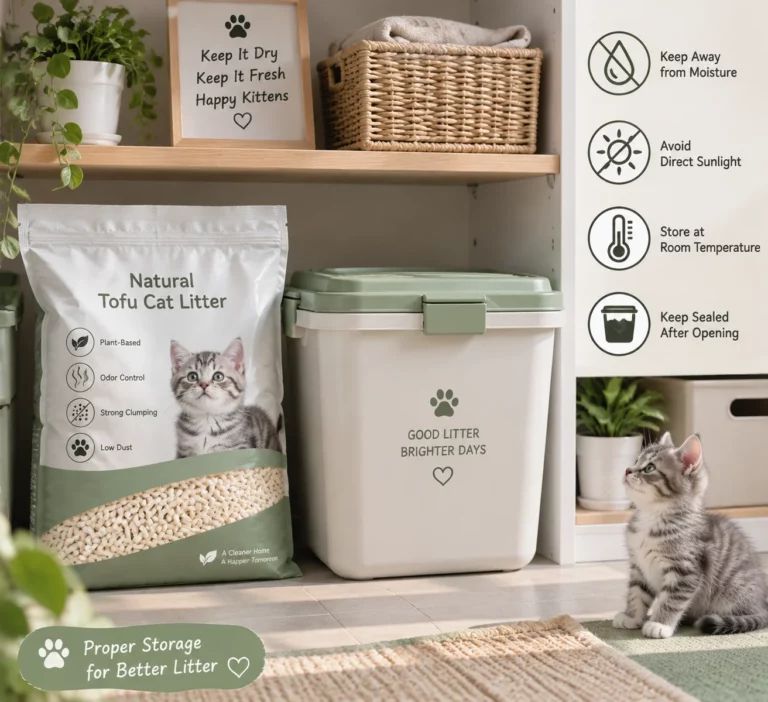
La arena para gatos merece una revisión aparte porque el polvo, el olor, la textura, la aglomeración y el almacenamiento afectan la rutina. Bastet's Guía de seguridad para la arena de gatos Explica la importancia de un etiquetado claro y un almacenamiento cuidadoso. Cada tipo de arena para gatos requiere una revisión individual.
La limpieza es un factor importante a la hora de comprar. Lea la etiqueta de cuidado antes de comprar.
¿Cómo debo configurar los nuevos accesorios para gatos?
Prioriza las funciones esenciales antes que los elementos decorativos. Esto le proporciona al gato una rutina estable y a la familia una manera clara de evaluar las compras.
Prepara lo esencial antes de que llegue el gato.
Coloca la comida y el agua, la caja de arena, la arena, la pala, el transportín y los objetos de identificación en un lugar visible. Si el espacio lo permite, añade una superficie para rascar, una pequeña selección de juguetes y una zona de descanso. Ten las instrucciones a mano durante la preparación.
Utilice la primera configuración como una comprobación de medidas para el ajuste del transportín, el acceso a la caja de arena, el alcance de la pala y el espacio de movimiento.
Observar, usar y agregar artículos con un propósito claro.
Observa qué accesorios usa, evita o daña el gato. Anota el problema que se supone que un artículo adicional debe solucionar.
Al cambiar la arena, Bastet's guía de transición a la arena para gatos Se recomienda modificar una pequeña variable a la vez y mantener la ubicación de la caja familiar. Siga las instrucciones del producto y haga una pausa cuando cambie el uso de la caja.
¿Qué necesita realmente tu gato?
La solución reside en una configuración funcional: comida, agua, eliminación, recogida de excrementos, transporte seguro, identificación y lugares para rascarse y descansar. Los juguetes, muebles, bebederos, utensilios de aseo y camas adicionales resultan útiles cuando satisfacen una necesidad del hogar.
BASTET (Tianjin) Pet Products Co., Ltd. se centra en arena para gatos y enumera las categorías de tofu, mineral, bentonita, cristal y yuca. Su sitio web describe el desarrollo del producto y el control de calidad de los lotes. Revise el Productos de arena para gatos Bastet al comparar los materiales de la basura y la información publicada sobre la categoría.
Preguntas frecuentes
P1: ¿Qué accesorios necesita un gato primero?
R: Empieza con comida, un plato, agua, un cuenco, una caja de arena, arena, una pala, un transportín y una identificación si usa collar. Añade un rascador y algunos juguetes a medida que el gato se adapte al hogar.
P2: ¿Cuáles son los accesorios imprescindibles para un gato que vive en interiores?
R: Un gato de interior necesita las mismas necesidades básicas: comida, agua, acceso para hacer sus necesidades, transporte seguro y un espacio fácil de limpiar. Los rascadores y los juguetes se convierten en complementos importantes cuando el entorno interior requiere zonas de actividad específicas.
P3: ¿Qué accesorios para gatos son opcionales?
R: Fuentes, rascadores, camas adicionales, dispositivos automáticos, objetos decorativos y juguetes extra son útiles según la situación. Elígelos cuando el accesorio resuelva un problema de espacio, enriquecimiento ambiental, limpieza o rutina en el hogar.
P4: ¿Cuántas cajas de arena debería preparar un hogar con varios gatos?
R: La guía para nuevos dueños de mascotas de la Sociedad Protectora de Animales de Atlanta de noviembre de 2024 recomienda al menos una caja de arena por gato, más una adicional. Utilice esta cifra como referencia para planificar su compra y, a continuación, verifique el espacio disponible, la ubicación y la rutina de limpieza en su hogar.
P5: ¿Qué debes comprobar antes de comprar accesorios para gatos?
R: Verifique la finalidad, las dimensiones, los materiales, la estabilidad, las instrucciones de limpieza y el estado del producto durante su uso. Para los accesorios relacionados con la arena para gatos, lea también la información específica sobre polvo, aroma, aglomeración, almacenamiento y eliminación antes de realizar el pedido.