Pour assurer la sécurité des chats autour de leur litière, il est important de vérifier la présence de poussière et d'odeurs fortes. Il faut également penser aux risques d'ingestion accidentelle et veiller à un stockage adéquat. Une bonne litière commerciale est rarement nocive pour les chats si elle est utilisée correctement. Cependant, certains ingrédients toxiques ou les huiles fortes peuvent leur être nocifs. L'ingestion de matériaux avariés ou d'un gros morceau peut également être dangereuse.
L'intoxication à la litière pour chat est différente d'un simple trouble digestif ou d'une occlusion intestinale. Par exemple, si votre chat éternue après avoir creusé, la poussière en est probablement la cause. S'il ingère de la litière agglomérante, cela peut provoquer une occlusion intestinale. Une véritable intoxication à la litière pour chat survient généralement lors d'un contact avec des produits chimiques agressifs.
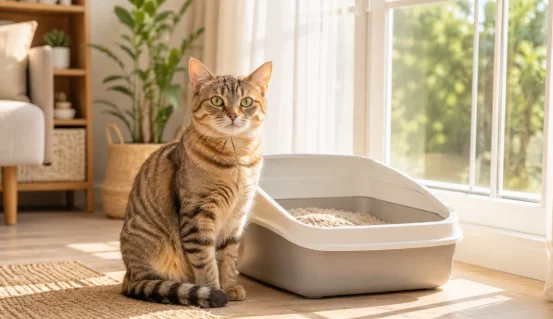
La litière pour chats est-elle toxique pour les animaux domestiques ?
La litière pour chats est-elle toxique pour les animaux domestiques ?La plupart du temps, c'est très sûr. Il suffit d'acheter une bonne marque, de bien la conserver et de suivre les instructions. La toxicité de la litière pour chat dépend de sa composition. La quantité inhalée ou ingérée par l'animal est également importante. L'utilisateur a aussi son importance. Les chatons et les chats asthmatiques nécessitent une attention particulière. Les animaux ayant tendance à ingérer des objets inhabituels (pica) doivent être surveillés de près. Il en va de même pour les chiens qui fouillent dans la litière.
Toxicose, irritation et obstruction sont différentes
L'intoxication par la litière signifie qu'un produit chimique nocif a endommagé l'organisme de votre chat. En revanche, l'irritation causée par la litière est généralement due à la poussière ou aux parfums artificiels. Les résidus de savon peuvent également en être la cause. L'ingestion de litière est un autre problème. Elle peut provoquer des vomissements chez votre chat, des selles dures ou une occlusion intestinale. Il est erroné de qualifier systématiquement de « toxicité » tout malaise.
Cela pourrait vous amener à chercher les mauvais signes. Un petit nuage de poussière peut sembler anodin. Pourtant, si votre chat tousse systématiquement lorsqu'il va à sa litière, il est important d'y prêter attention.
Quels ingrédients de la litière pour chat faut-il éviter ?
Lorsque vous recherchez les ingrédients à éviter dans la litière pour chat, pensez aux habitudes quotidiennes de votre animal. Concentrez-vous sur ce qu'il respire. Pensez aussi à ce qu'il se lèche les pattes ou avale. Les termes marketing comme « écologique » ou « naturel » ne sont pas vraiment utiles. Des étiquettes claires et transparentes sont bien plus importantes.
Poussière épaisse et parfum puissant
Une litière poussiéreuse peut irriter les yeux et le nez de votre chat. La litière peut-elle causer des problèmes respiratoires ? Oui, elle peut provoquer des éternuements ou de la toux chez les chats sensibles. Ils peuvent avoir les yeux larmoyants ou une respiration difficile. Il est toujours préférable de choisir une litière peu poussiéreuse. Placez le bac dans un endroit bien aéré. La litière parfumée est-elle sans danger pour les chats ?
Certains chats tolèrent bien une légère odeur. En revanche, un parfum trop fort peut irriter leurs poumons et même les dissuader d'utiliser leur litière. Une litière sans parfum est souvent la meilleure option, et la plus simple. Une litière propre ne devrait pratiquement pas avoir d'odeur ; elle ne devrait surtout pas sentir le savon.
Huiles essentielles concentrées
Il faut être très prudent avec les huiles essentielles dans la litière pour chats. C'est d'autant plus important si le sac n'indique pas le type et la quantité exacts utilisés. Les chats inhalent ces huiles. Ils marchent également dessus et en ingèrent lorsqu'ils se toilettent. Une grande quantité d'huile peut provoquer une salivation excessive ou des vomissements. Ils peuvent se sentir faibles ou avoir des difficultés à respirer. Parfois, ils peuvent trembler, avoir des convulsions ou une démarche anormale. Les vétérinaires avertissent que les chats sont très sensibles à ces huiles. N'essayez jamais de faire vomir votre chat si cela se produit.
Litière agglomérante pour jeunes chatons
La litière agglomérante est-elle sans danger pour les chatons ? Elle convient à la plupart des chats adultes. Cependant, les chatons ont tendance à tout goûter. Si un chaton ingère de la litière agglomérante, le principal risque est une occlusion intestinale. Il s'agit moins d'une toxicité de la litière agglomérante que d'une gêne digestive. Utilisez une litière non agglomérante pour les petits chatons qui la mordillent. Consultez un vétérinaire si le problème persiste. Les chats adultes souffrant de pica (ingestion de litière par les chats adultes) doivent également être examinés par un vétérinaire.
Litière végétale humide ou mal entreposée
À base de plantes sécurité de la litière pour chats Tout dépend de la façon dont vous la conservez. Il est impératif de la stocker dans un endroit sec et bien fermé. Jetez toute litière moisie. Jetez-la également si elle dégage une mauvaise odeur, est mouillée ou contient des insectes. L'étiquette « biodégradable » ne garantit en rien sa durabilité. Il est fortement déconseillé de la laisser ouverte dans une pièce humide pendant une période prolongée.
Quels sont les signes d'une intoxication à la litière pour chats ?
Les signes d'intoxication à la litière pour chat varient selon la marque et la quantité ingérée. Les symptômes peuvent inclure des troubles digestifs, des difficultés respiratoires, des problèmes de marche et une baisse d'énergie. Après ingestion de litière, il peut s'agir d'une simple occlusion intestinale. N'attendez pas que votre animal perde connaissance : appelez immédiatement un vétérinaire.
Signes d'alerte digestifs
Surveillez les vomissements répétés. Soyez attentif aux selles molles, à la salivation excessive et au refus de s'alimenter. Les maux de ventre et les selles dures sont des signes inquiétants. Si votre chat a des difficultés à déféquer ou produit de petites crottes, soyez vigilant. Une occlusion intestinale due à la litière provoque souvent une grande fatigue chez le chat. Son ventre peut être douloureux à caresser. Ces signes sont similaires à ceux observés lorsqu'un animal ingère un jouet contaminé.
Signes respiratoires et neurologiques
Les symptômes respiratoires liés à l'ingestion de litière par un chat sont assez clairs : éternuements, toux et respiration difficile. Les yeux larmoyants ou une respiration très rapide sont également des signes d'alerte. Chez le chat, les signes neurologiques d'intoxication affectent le cerveau et le système nerveux. Votre animal peut se sentir très faible ou avoir des vertiges. Tremblements, convulsions et chutes sont des alertes majeures. Une respiration difficile, des vomissements importants ou de fortes douleurs abdominales constituent de véritables urgences. L'incapacité à déféquer est également très préoccupante. Un chaton ayant ingéré une quantité indéterminée de litière doit être examiné rapidement par un vétérinaire.
Que faire si un chat mange de la litière ?
Que faire si votre chat mange de la litière ? Cela dépend du type et de la quantité. Les symptômes qu'il présente sont également importants. Restez calme. N'ignorez pas le problème, même si votre chat semble aller bien au début.
Supprimer l'accès et enregistrer le package
Retirez rapidement la boîte. Empêchez votre chat d'ingérer davantage de litière. Conservez le sac d'origine. Notez la liste des ingrédients et le numéro de lot. Notez l'heure à laquelle cela s'est produit. Essayez d'estimer la quantité ingérée.
Appelez un vétérinaire
Appelez immédiatement un vétérinaire ou un centre antipoison pour animaux. N'essayez jamais de faire vomir votre chat avec du sel, de l'huile ou du lait. Les remèdes maison sont à proscrire. Si votre chat a du mal à respirer ou présente un ventre gonflé, emmenez-le d'urgence chez le vétérinaire. Des vomissements persistants indiquent une urgence.
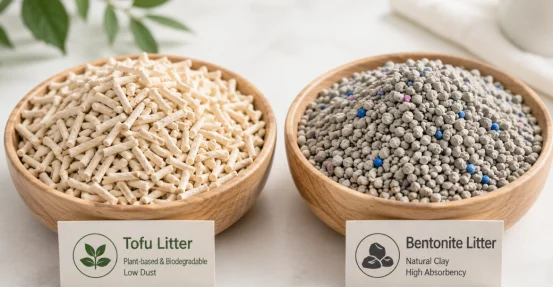
Comment choisir une litière pour chat plus sûre ?
La litière idéale pour votre chat n'est jamais une solution miracle. Un bon choix doit être adapté à l'âge et à la capacité respiratoire de votre animal. Elle doit être agréable au toucher pour ses pattes. Elle doit également correspondre à ses habitudes de toilette et à ses goûts, notamment s'il aime mâchouiller des objets insolites.
Adaptez la formule à votre animal de compagnie
Pour les chatons, choisissez un mélange peu poussiéreux et sans parfum. Privilégiez les litières non agglomérantes tant qu'ils mâchouillent encore des objets. Pour les chats souffrant de problèmes pulmonaires, recherchez… litière pour chat sans parfum et à faible teneur en poussièreLes chats à poils longs ont besoin d'une litière peu poreuse pour éviter que la litière ne s'emmêle dans leur pelage. Si votre chat souffre de pica, évitez les litières qui ressemblent à de la nourriture. Demandez conseil à votre vétérinaire. Même un sac de litière dite non toxique doit mentionner sa composition. L'étiquette doit indiquer les odeurs et les instructions de conservation. Effectuez une transition progressive vers une nouvelle litière sur une période de sept à dix jours. Un changement trop brutal peut inciter votre chat à uriner hors du bac.
Gardez la boîte propre et sèche.
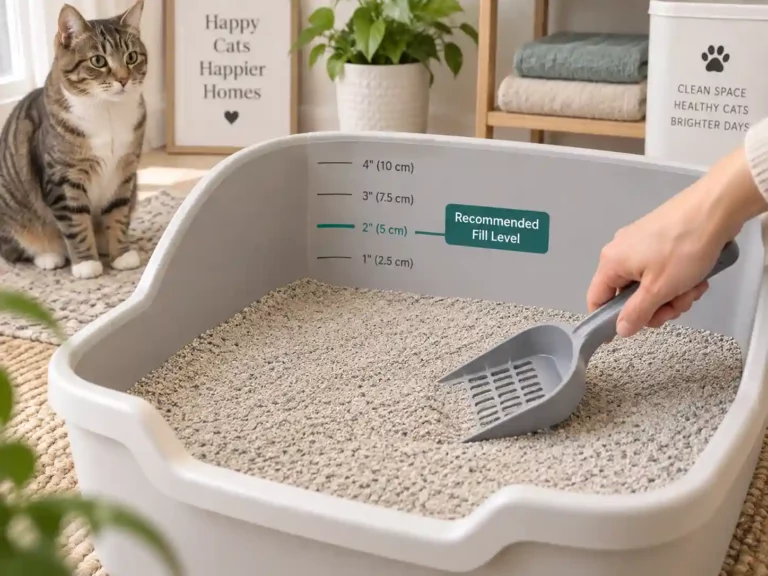
Nettoyez la litière tous les jours. Lavez le bac avec un savon doux et sans parfum. Rincez-le soigneusement et séchez-le bien avant d'y ajouter de nouveaux aliments. Évitez les produits en spray puissants. Assurez-vous qu'il ne reste aucun résidu de savon. Tenez les chiens à l'écart en permanence. Un chien qui mange de la litière et des excréments de chat risque une occlusion intestinale ou de graves troubles digestifs.
Comment Bastet Pet contribue-t-elle à des choix de litière plus sûrs ?
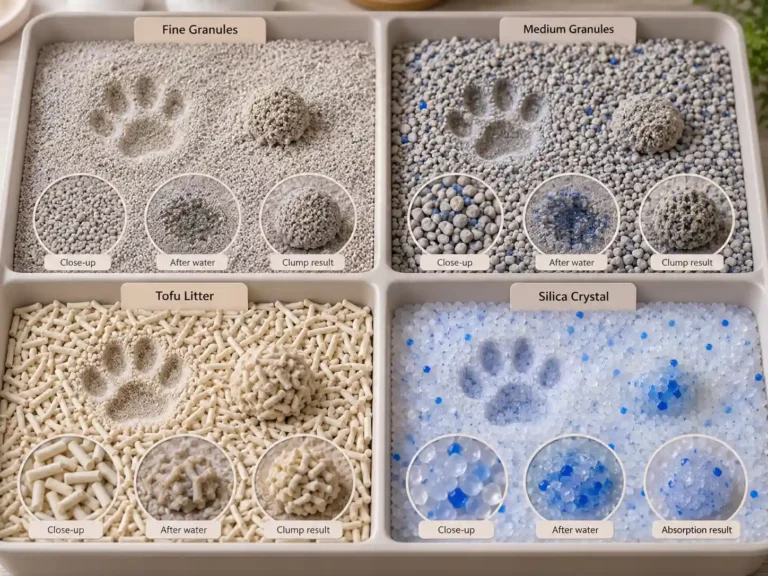
Choisir des produits sûrs devient plus facile lorsque le fabricant est clairement identifié. Bastet Pet Cette entreprise fabrique et expédie des litières à base de bentonite, de tofu, de minéraux, de manioc et de cristaux, offrant ainsi aux acheteurs un vaste choix. Vous pouvez vérifier le taux de poussière, la texture et l'odeur. Leur litière à base de bentonite naturelle est composée de particules de 0,5 à 4 mm. Elle s'agglomère rapidement et ne colle pas aux pattes. Des litières sans parfum et des sacs spéciaux sont disponibles. L'entreprise propose également des échantillons et des marques privées. Des contrôles qualité rigoureux sont effectués, ce qui simplifie considérablement la gestion de la sécurité des litières pour chats chez les commerçants. Toutefois, il est essentiel que les acheteurs vérifient les échantillons, consultent les rapports d'essais et respectent la réglementation en vigueur.
FAQ (questions fréquentes)
Q1: L'agroupement de litière de chat est-il sûr pour les chatons?
A : Cela pourrait être mauvais pour les jeunes chiens qui mâchent de la terre. Utilisez un mélange simple et non agglomérant. Consultez un vétérinaire s'ils continuent à en manger.
Q2 : Que se passe-t-il si un chat mange de la litière ?
A: Une toute petite quantité pourrait leur causer un léger mal de ventre. De grosses bouchées peuvent provoquer des vomissements ou une constipation sévère.
Q3 : La litière pour chats peut-elle causer des problèmes respiratoires ?
R : Oui. La poussière ou les odeurs fortes peuvent provoquer des éternuements ou de la toux. Les chats souffrant de problèmes pulmonaires ont les yeux qui larmoient très facilement.
Q4 : La litière parfumée pour chats est-elle sans danger pour les chats ?
A: Certains chats ne s'en formalisent pas. Mais les animaux sensibles pourraient s'enfuir du bac. La litière sans parfum est généralement le choix le plus sûr.
Q5 : Quelle est la litière pour chats la plus sûre ?
A : Choisissez un sac à poussière peu encombrant avec des étiquettes claires. Il doit être adapté à l'âge et aux habitudes quotidiennes de votre chat. Il n'existe pas de sac idéal pour tous les chats.