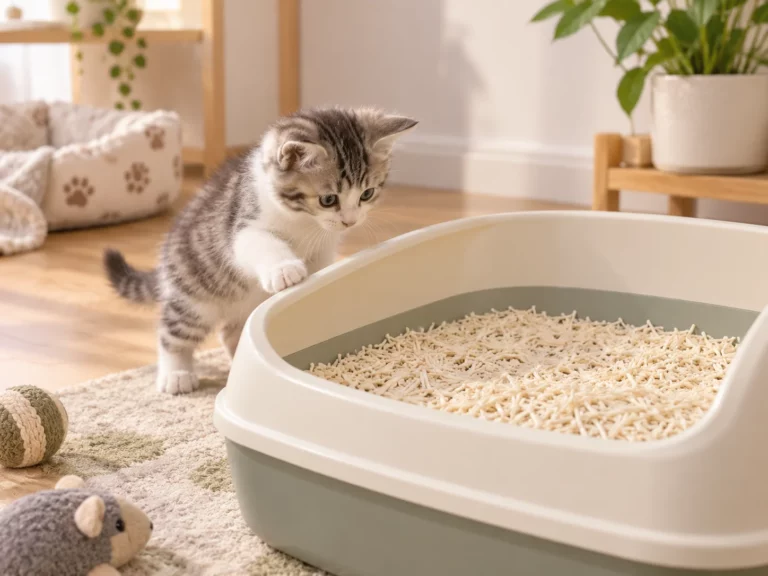
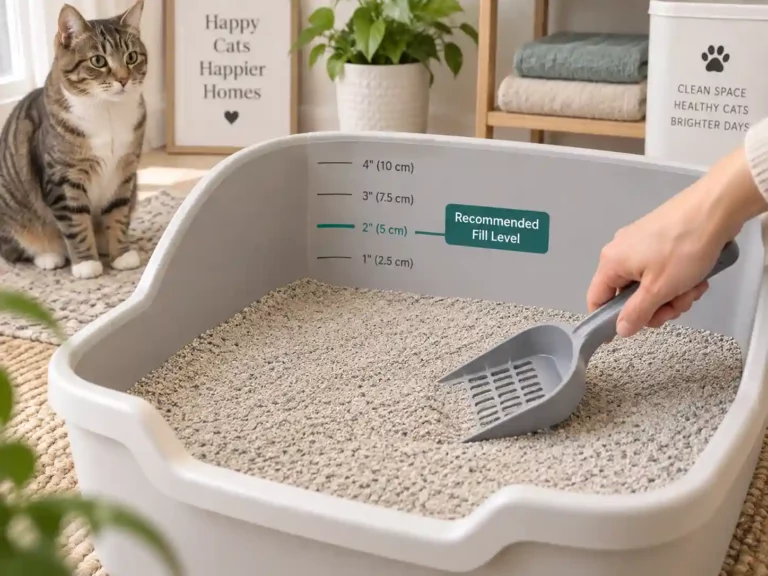
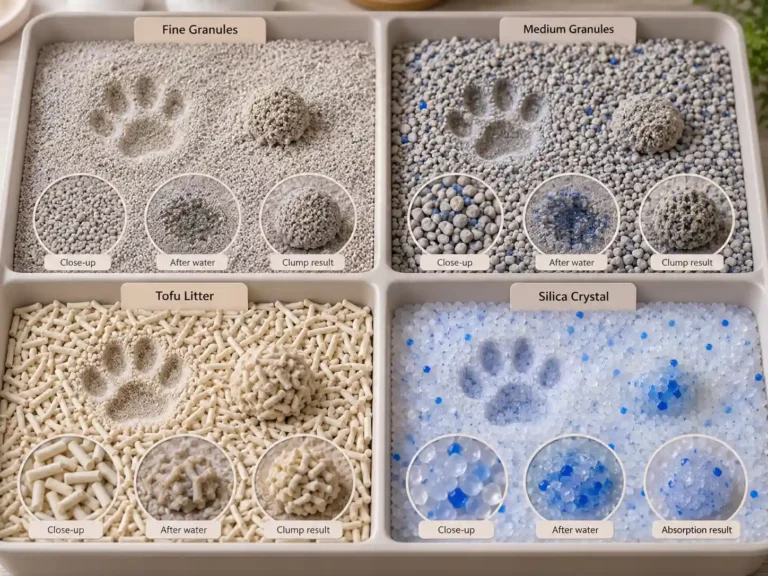
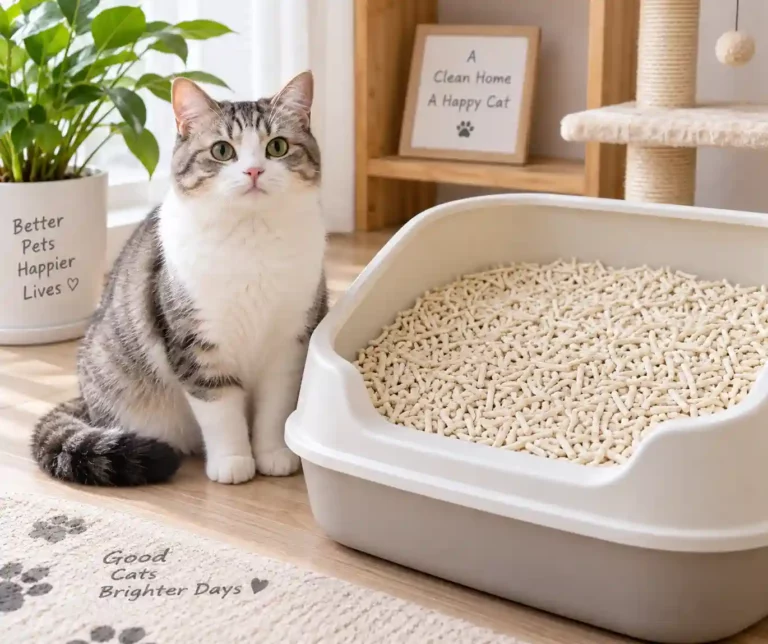
Choosing cat litter for kittens starts with the kitten’s current routine. Check the material, granule information, dust statement, scent details, and the instructions supplied with the product. Then make the change in a way the household can observe.
There is no single formula that can be declared suitable for every kitten from product specifications alone. A useful trial keeps the box routine consistent, records what changes, and sends health or ingestion concerns to a veterinarian.
img.Low dust fine tofu kitten cat litter.webp
What Should You Check Before Choosing Cat Litter for a Kitten?
Read the label before opening the bag. The first checks are practical: material, listed ingredients, granule range, dust information, scent, pack size, and any handling or disposal instruction. Keep the selected product identifiable during the trial.
Read the Material and Ingredient Information
Cat litter may be listed as tofu, mineral, bentonite, crystal, or cassava. A material name describes the product category; it does not by itself confirm that every kitten will accept the texture or tolerate the product.
Look for the exact ingredient and material wording supplied for the product. Keep the original pack available when a veterinarian or supplier needs to review what the kitten has been using.
Check Granule Range, Texture, and Dust Details
Granule information gives the household a concrete comparison point. Bastet’s inspected tofu information lists 10-30 mm length and diameters of 1.0, 1.5, 2.0, and 3.0 mm. It also lists a dust rate of `<5%` and a 99% dust-free claim for the inspected product information.
These details describe the inspected product. Kitten acceptance requires household observation. Watch how the kitten approaches the box, steps into the litter, and returns to it. Keep the observation separate from a medical conclusion.
Is Tofu Cat Litter Suitable for Every Kitten?
Tofu litter can be considered through its documented material, texture, dust, and clumping information. Bastet’s inspected tofu details list pea fiber and corn starch as the main material, with soybean, corn starch, and guar gum identified as natural ingredients. The same information lists absorption of `≥400%`, odor control, soft texture, and tight clumps.
Those specifications help a buyer define a trial. They do not establish a universal kitten age threshold, veterinary approval, ingestion outcome, or health benefit. Follow the product label and ask a veterinarian about a kitten with a health condition, unusual elimination, or possible ingestion.
Review Bastet’s Tofu Specifications
Bastet lists 6L and 7L inner packing for the inspected tofu information. That pack detail can help a household select a manageable trial quantity and keep the product label close to the box. The tofu cat-litter category provides a route to review the relevant product group.
Confirm Kitten-Specific Questions With the Label or Veterinarian
Ask which ingredients, scent options, granule details, and handling notes apply to the exact product. A product description cannot answer a medical question about a particular kitten. Pain, blood, persistent diarrhea, repeated vomiting, or ongoing litter avoidance needs veterinary attention.
What About Crystal Cat Litter for Kittens?
Crystal litter should be assessed from the exact product information and the kitten’s observed response. Bastet’s inspected crystal information lists silica gel, a 1-8 mm granule range or requested size, high adsorption, odor control, and a dust-free claim. It also lists 3.8L, 5L, 7.2L, 8L, and 10L pack options.
The listed material and pack sizes help with product comparison. They do not prove that every kitten will accept crystal granules or that the formula addresses a health concern. Review the crystal cat-litter category for the relevant product group, then keep the label available and ask for product-specific guidance when the supplied information leaves a handling question open.
Check Crystal Granule Information and Pack Size
Record the selected granule range, pack size, scent choice where listed, and opening date. A small, clearly identified trial makes household observations easier to interpret. Do not combine observations from different materials as if they were the same product.
Keep Health and Ingestion Concerns in the Veterinary Boundary
If a kitten chews litter, stops using the box, strains, or shows a persistent elimination change, pause product experimentation and seek veterinary advice. Storage, dust, texture, and clumping checks cannot diagnose the cause.
How Can You Introduce a Kitten to a New Cat Litter?
Keep the first trial easy to read. Use the same box location and a familiar cleaning routine when the household changes the material. This reduces the number of changes being observed at one time.
Keep the Box Location and Routine Consistent
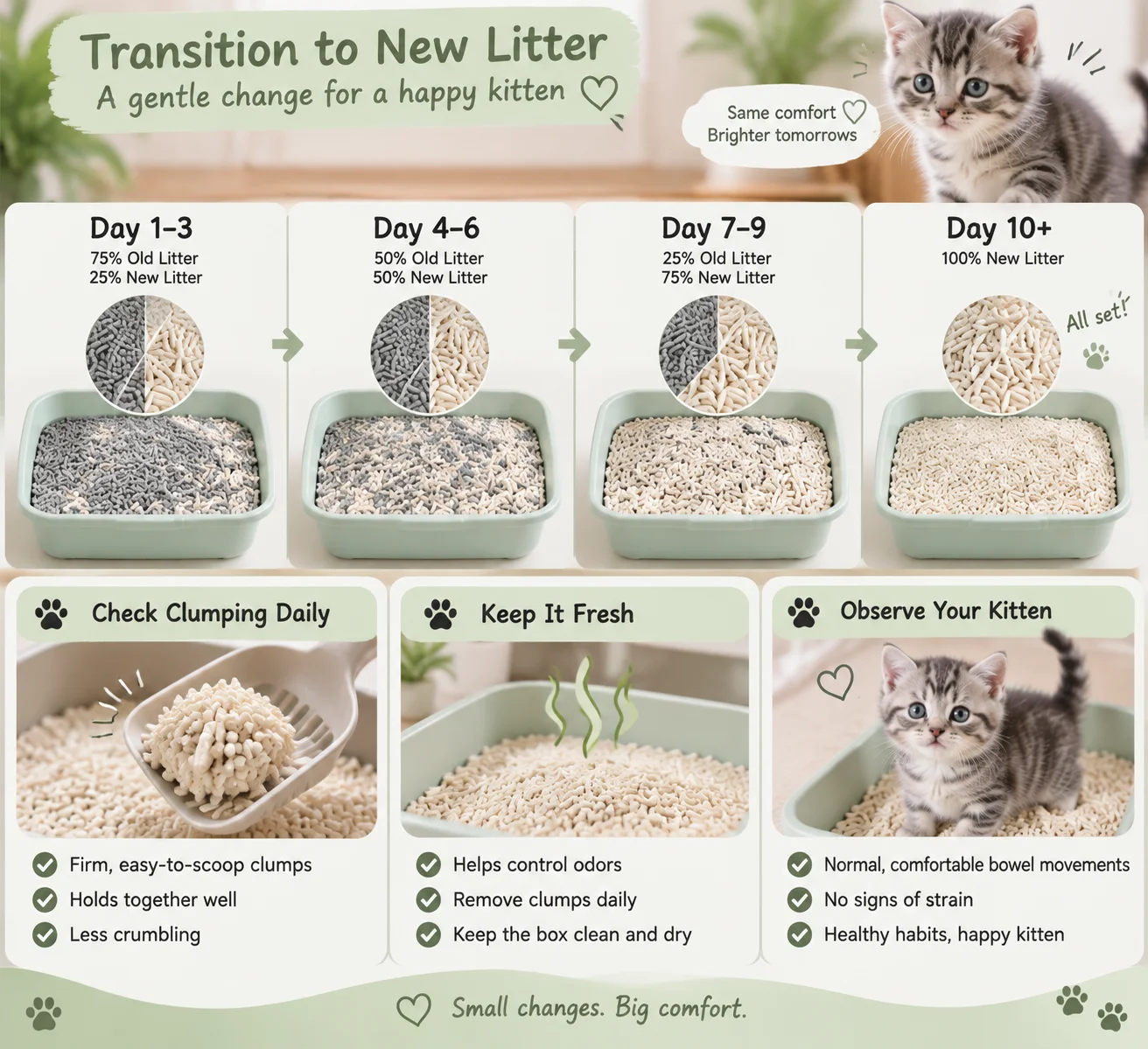
Place the box where the kitten already expects to find it. Record the material, granule information, scent, and the date the trial begins. Note whether the kitten enters, scratches, eliminates, and returns to the box.
Change Materials Gradually When Product Guidance Allows
Use the selected product’s transition instructions. When a replacement plan is needed, review Bastet’s litter-changing guidance and keep local disposal rules in view.
Do not treat a gradual change as a guarantee of acceptance. A kitten may still avoid a box or show a health-related change that needs professional assessment.
How Should a Kitten Litter Box Be Evaluated Each Day?
Daily checks connect the product choice to the actual routine. Look at the box, the litter, the surrounding floor, and the kitten’s behavior. A short record is more useful than relying on memory after several changes.
Check Clumps, Odor, Dust, and Visible Contamination
For the inspected tofu information, Bastet describes tight clumps, odor control, and a soft texture. For the inspected crystal information, it describes high adsorption and odor control. Compare those descriptions with what is actually visible in the box, while keeping the product material and pack details recorded.
Remove waste according to the product instructions and household routine. Keep the scoop and refill area clean. Do not turn a product claim into a fixed cleaning interval unless the supplied instructions provide one.
Record Changes in Elimination or Litter Avoidance
Write down repeated avoidance, straining, blood, unusual stool, or other changes and contact a veterinarian when needed. A kitten’s behavior can signal a health issue, a box setup issue, or a response to a product change. Litter selection alone cannot identify the cause.
Which Cat Litter Details Should You Ask a Supplier to Confirm?
Ask for the current material and ingredient description, granule range, dust statement, scent information, pack size, opening guidance, and destination-market labeling. The request should cover the exact product and pack being considered. A general category description does not identify those details.
For a kitten trial, send the kitten’s current litter, preferred material, target granule information, scent preference, expected quantity, number of boxes, and destination market. A supplier can then confirm which product details apply and which questions require a veterinarian.
How Should a Household Choose a Kitten Litter Trial?
Choose a trial that the household can identify and observe. Keep the box location stable, record the material and pack details, and compare the kitten’s routine with the supplied instructions.
BASTET (Tianjin) Pet Products Co., Ltd. lists tofu, mineral, bentonite, crystal, and cassava cat-litter categories. Its inspected tofu and crystal information provides material, granule, dust, adsorption or absorption, texture, clumping, and pack-size details for product comparison. Buyers can use the cat-litter category when preparing a product question, then submit the kitten’s current litter, preferred material, granule preference, pack size, box count, quantity, and destination market.
FAQ는
Q1: What is the best cat litter for kittens?
A: The best choice depends on the kitten’s current routine, the exact product label, texture, granule information, dust statement, and observed response. Product specifications can define a trial, but they cannot guarantee acceptance or establish medical suitability for every kitten.
Q2: Is tofu cat litter suitable for kittens?
A: Bastet’s inspected tofu information lists pea fiber and corn starch as main material, soft texture, tight clumps, a dust rate of `<5%`, and a 99% dust-free claim. Those details support product comparison; ask a veterinarian about health conditions, ingestion, or unusual elimination.
Q3: Can kittens use crystal cat litter?
A: Review the exact crystal product instructions and observe the kitten’s response. Bastet’s inspected crystal information lists silica gel and a 1-8 mm granule range or requested size, but it does not establish universal kitten acceptance or a health conclusion.
Q4: Should kitten litter be changed gradually?
A: Use the selected product’s transition guidance and keep the box location and cleaning routine consistent during the change. A gradual plan supports observation, yet litter avoidance or health changes still require separate assessment.
Q5: What should a supplier confirm before a kitten-litter trial?
A: Request the current material, ingredients, granule range, dust statement, scent information, pack size, opening guidance, and destination-market labeling. Include the kitten’s current litter, box count, target quantity, and market so the supplier can identify which details apply to the proposed trial.