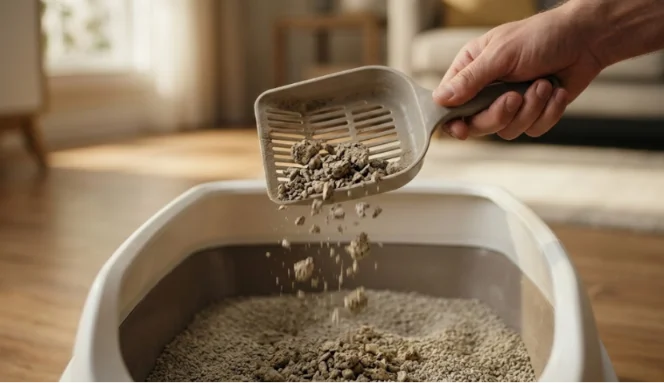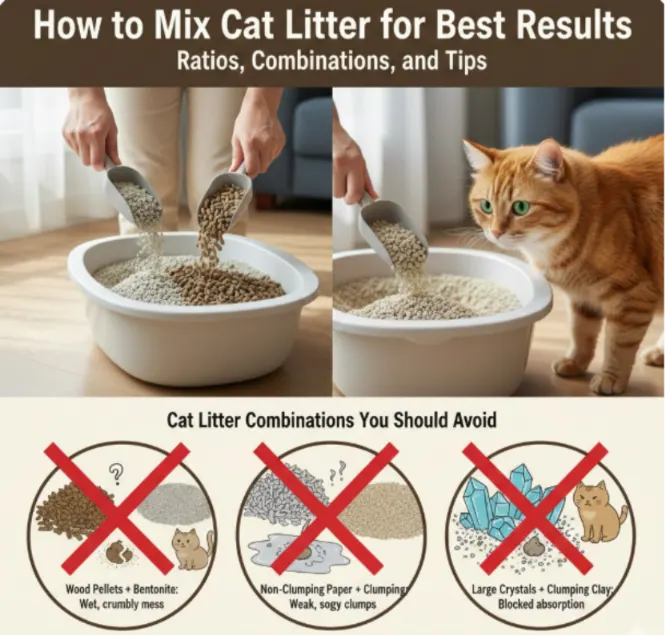
Misturar lixo de gatos pode ser um movimento inteligente quando sua configuração atual de caixa é “quase boa” mas não bem lá. Talvez os clumps quebram, o pó incomode seu gato, ou o odor constrói mais rápido do que você quiser. A chave é tratar a mistura como um método simples, não como uma versão aleatória. A mistura é especialmente útil para casas ocupadas. Vejam por que fórmulas especializadas são necessárias Por que as famílias multigatos quebram fórmulas padrões de letra de gatosQuando você segue algumas regras básicas e começa com relações práticas, você pode obter clumps mais fortes, odor mais calmo, e uma caixa de lixo seu gato está mais disposto a usar.
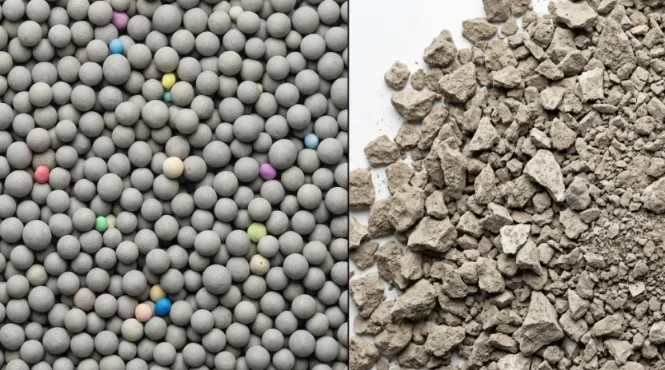
Se você está misturando dois materiais, ajuda a saber quão diferente tipos de lixo de gatos comportem-se, porque não todos os lixo absorvem líquidos da mesma forma. Uma vez que você entende os materiais básicos, o resto é simples: escolha um lixo principal, adiciona um material auxiliar, e test a o resultado como um pequeno ensaio, não um reiniciamento completo.
Por que os donos de gatos misturam diferentes tipos de lixo de gatos
A maioria dos gatos não se importa com "marcas". Eles se importam com sentir, cheirar e se a caixa fica confortável. A mistura de lixo de gatos geralmente acontece por uma dessas razões:
- Menos poeira: Alguns gatos evitam lixo pó. Algumas pessoas odeiam polvo fino no ar.
- Melhor confusão: Um clump firme economiza tempo e mantém o fundo da caixa mais limpa.
- Controlo mais forte do odor: Certos aditivos podem ajudar a atrapar o cheiro.
- Transições mais fáceis: Mudanças rápidas podem desencadear protestos em caixas de lixo.
- Comforte de textura: Grânulos mais suaves podem reduzir a cavação e rastreamento confusos.
Muitos donos primeiro perguntam você pode misturar lixo de gatose a próxima pergunta é como fazê-lo de uma forma que mantém forte e baixo o polvo. Este guia foca na segunda parte: relações, combinações e simples verificações que lhe dizem se a mistura está funcionando.
Regras básicas antes de começar a misturar littério de gatos
Você não precisa de ferramentas especiais. Você só precisa de um método.
Coincidir com estilos de absorção
Mistura materiais que se comportam de maneiras semelhantes. Os lixos de agrupamento geralmente se acompanham melhor com outros aditivos de agrupamento ou suporte. Quando um lixo tenta formar um clump e o outro absorve líquido em um padrão totalmente diferente, você pode acabar com clumps molhados e quebrados.
Manter um lixo como base
Usem um tipo de lixo principal para 60-80% da caixa. Essa base deveria fazer o "trabalho pesado", especialmente confuso. Em muitas casas, bentonite é uma base confiável porque forma clumps apertados que são fáceis de explorar.
Certifique-se de começar com uma base de alta qualidade. Verifique Bentonite Cat Litter Brands Overview 2025 para encontrar a argila certa.
Começa pequeno e ajuste-se
Começa com uma pequena mistura, depois veja resultados por dois a três dias. Se os clumps quebrarem, aumentem o lixo de base. Se o odor permanece agudo, adiciona uma pequena quantidade de auxiliar para controlar o odor, não uma grande troca.
As melhores combinações de mistura de letra de gatos que realmente funcionam
Essas misturas tendem a funcionar bem em casas reais porque seguem as regras acima.
Bentonite, Tofu Cat Litter
Esta é uma das misturas mais fáceis para uso diário. O lixo de tofu muitas vezes se sente mais suave debaixo das patas e pode reduzir poeira em comparação com uma caixa de argila. O bentonito mantém os clumps firmes e escupáveis. Se seu objetivo é um chão mais limpo e uma caixa mais calma, esta é geralmente a primeira mistura a tentar.
Bom para: gatos com patas sensíveis, casas que querem menos poeira, proprietários que buscam todos os dias e querem clumps firmes.
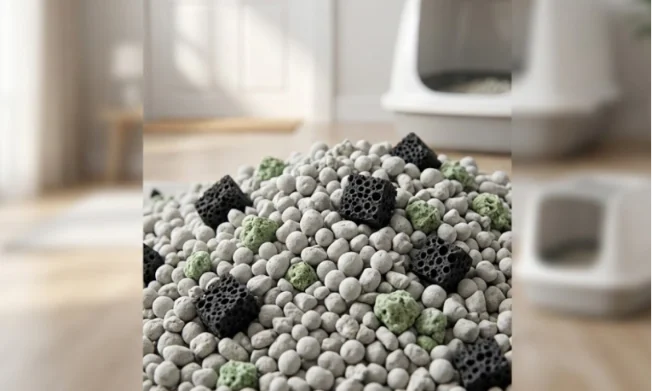
Bentonito - Carvão Activado (ou Carvão de Carvão)
O carbono é um material auxiliar para o odor. Não substitui um lixo de base. Utilize bentonito para o clumping e carbono para o controle do cheiro. Esta mistura funciona melhor quando você mantém a percentagem de carbono modesta.
Bom para: casas multigatos, pequenos apartamentos, temporadas quentes, compradores que querem controle mais forte do odor sem fragância pesada.
Bentonito, Zeolito
Zeolite é frequentemente usado para controle da amônia. Se o odor urinário é o principal problema, o zeolito pode ajudar a reduzir o odor “agudo”. Como carbono, funciona melhor como aditivo.
Bom para: cheiro forte de urina, espaços fechados, clientes que preferem opções de baixo cheiro ou não centeadas.
Tofu Cassava (mistura baseada em plantas)
Se você quer uma caixa baseada em plantas, tofu e cassava podem trabalhar juntos. Isso é uma boa escolha para famílias ecocentradas, mas você deve prestar atenção à firmeza de clump. Se os clumps sofrem rápido demais, reduzam a parte de cassava.
Bom para: posicionamento baseado em plantas, compradores que querem opções biodegradáveis, casas que valorizam resíduos mais ligeiros.
Combinações de Literatura de Gatos Você deveria evitar
Algumas misturas falham porque absorvem de maneiras completamente diferentes.
- Bolas de madeira - bentonita: as balas se quebram em saída; O bentonito precisa de espaço e contato para formar clumps.
- Papel não agrupado, lixo agrupado: o papel pode absorver líquido antes de alcançar a base de colapso, enfraquecendo os colapsos.
- Grandes cristais de sílica, argila agrupada (alta proporção): grandes cristais podem bloquear a urina de alcançar a argila, então os clumps ficam fracos.
Se você quer testar uma mistura "talvez", faça primeiro numa bandeja de sobra. Não mude sua caixa principal durante a noite.
Rações recomendadas de mistura de letra de gato
Começa com uma razão segura, então sintoniza-a baseada em clumps, odor e rastreamento. A tabela abaixo dá pontos de partida práticos.
Tabela: Combinações comuns de mistura de letra de gatos e razões recomendadas
| Tipo de Literatura Base | Tipo de Literatura Adicionada | Proporcão Recomendada | Benefício Principal | Melhor Para |
|---|---|---|---|---|
| Bentonito | Tofu Cat Litter | 70 / 30 | Menos poeira, sentimento mais suave | Gatos interiores, patas sensíveis |
| Bentonito | Carbón Activado | 80 / 20 | Controlo forte do odor | Casas multigatos |
| Bentonito | Zeolite | 80 / 20 | Melhor controle da amônia | Espaços pequenos, climas quentes |
| Tofu Cat Litter | Cassava Cat Litter | 60 / 40 | Balanço baseado em plantas | As famílias ecocentradas |
| Bentonito | O mesmo tipo de grânulos de pó baixo | 50 / 50 | Sentimento mais consistente | Tipos de lixo transitório |
Uma regra simples ajuda: se o "lixo auxiliar" for acima de 40%, o lixo de base pode parar de funcionar como uma base. - Manter aditivos modestos, então ajustar lentamente.
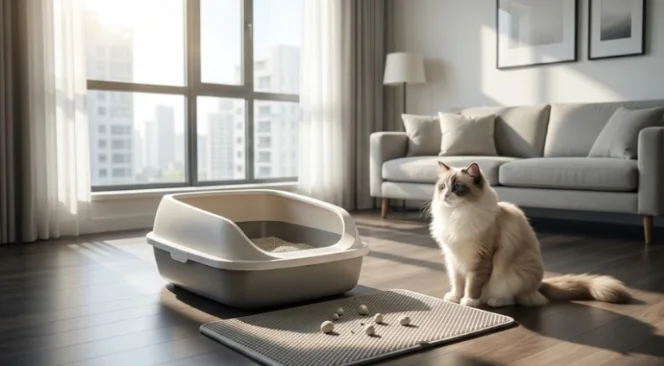
Como dizer se sua mistura de letra de gato está funcionando
Seu gato dirá rápido, mesmo que não diga nada.
- Uso normal da caixa: seu gato entra e usa a caixa sem hesitação.
- Os clumps permanecem intactos: clumps levantam-se limpo e não se quebram em areia húmida.
- O odor fica mais calmo: a caixa cheira normal entre escopes.
- Menos rastreamento: menos grãos acabam fora da caixa.
Sem pisar em protesto: se seu gato começar a mijar ao lado da caixa, parar e reevaluar a mistura, tamanho da caixa e limpeza.
Se o comportamento mudar de repente e fortemente, não assumam que seja apenas o lixo. Se há viagens tensas, frequentes, ou sangue, conselhos veterinários são a escolha mais segura.
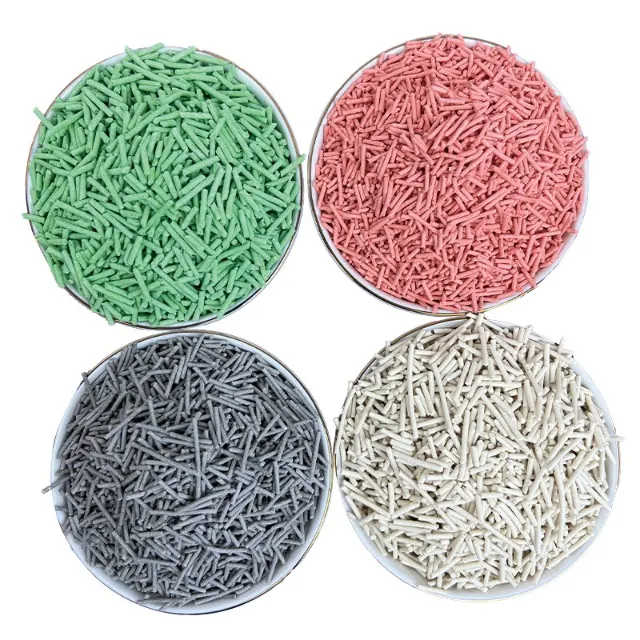
Como Bastet Designs Cat Litter que funciona bem em fórmulas misturadas
Mesmo um bom plano de mistura pode fracassar se os materiais básicos são inconsistentes. O tamanho das partículas, o nível de pó e a velocidade de absorção afetam se uma mistura permanece estável de dia a dia. Porque fórmulas misturas dependem de grânulos estáveis e controle consistente da poeira, é mais fácil construir uma boa mistura quando você começa com uma depend ência fornecedor de lixo de gatos e um conjunto claro de opções materiais
Bastet Pet, foca na fabricação e exportação de vários tipos de lixo de gatos, incluindo bentonito, cristal, cassava e várias formas de lixo de gatos tofu. A empresa trabalha em qualidade constante de lote para lote, com alvos práticos como forte agrupamento, polvo controlado e absorção confiável. Para projetos de rotulagem privada e de retalho, essa ampla gama de materiais também facilita o teste de fórmulas misturadas e a construção de UTS que se ajustam a diferentes mercados e preferências do cliente.
FAQ
Q1: Como você mistura lixo de gato sem confundir seu gato?
A: Começa com uma mistura de 80/20, mantém a caixa limpa, e ajuste a relação lentamente ao longo de vários dias.
Q2: Qual é a melhor relação para misturar lixo de gatos?
A: Um ponto de partida comum é 70/30 (base/adição). Se os clumps quebrarem, aumentem o lixo de base.
Q3: A mistura de lixo de gatos reduz o pó?
A: Pode, especialmente quando você mistura bentonita com tofu ou utiliza grânulos de pó baixo.
Q4: Qual mistura funciona melhor para o controle do odor?
A: Um forte clumping base com 10-20% de carbono ou zeolito ativado é uma abordagem comum e estável.
Q5: Você deveria misturar lixo de gato para uma casa multigato?
A: Sim, mas manter uma base forte e brincar muitas vezes. Os aditivos ajudam, mas não substituem higiene.