Descobrindo como trocar a areia do gato Não se trata apenas de despejar areia nova em uma bandeja. É preciso ter cuidado. As melhores precauções ao trocar a areia do gato são simples: troque apenas uma pequena parte de cada vez.
Além disso, mantenha a caixa de areia bem limpa e observe seu animal de estimação atentamente. Uma troca repentina pode causar acidentes desagradáveis. Pode até fazer com que o gato evite a caixa de areia. Vamos ver como trocar a areia do gato com segurança.
Por que você deve ter cuidado ao trocar a areia do seu gato?
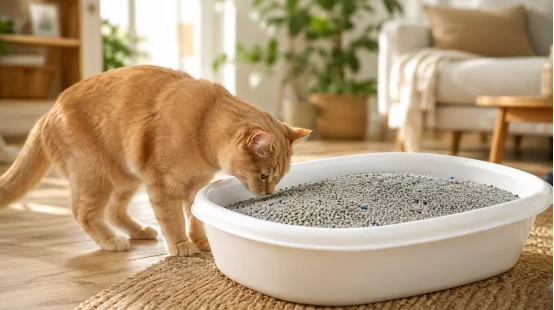
Os gatos percebem detalhes mínimos. Um cheiro fresco ou uma textura mais áspera podem incomodá-los. Até mesmo uma camada mais profunda pode fazer com que um gato tímido pare bem na borda da bandeja. Essa hesitação é um sinal importante.
Cheiro e textura importam
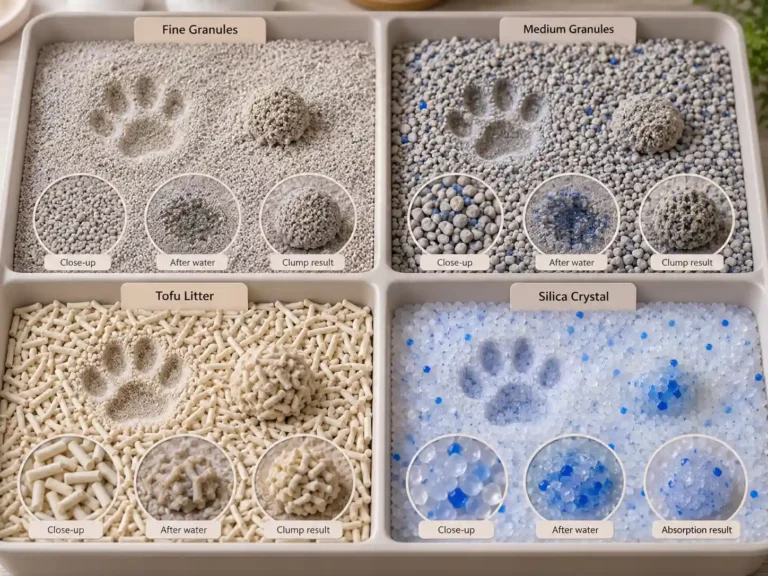
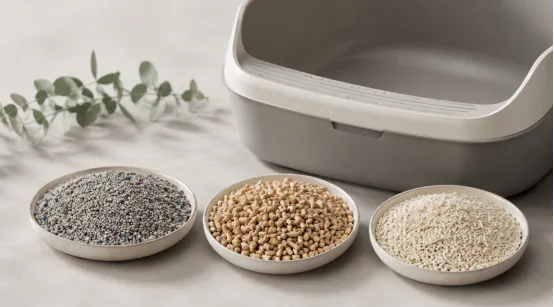
A textura da areia para gatos influencia a sensação que as patas do seu animal de estimação sentem. A argila macia é bem diferente dos grânulos grossos ou dos cristais pontiagudos. O cheiro também é muito importante. É preciso considerar a escolha entre areia perfumada e sem perfume. Uma areia com cheiro forte pode ser demais para o olfato do gato. Por isso, a areia sem perfume costuma ser uma opção muito mais segura para animais de estimação sensíveis.
Ao trocar de marca de areia para gatos, preste atenção a alguns detalhes. Compare o tamanho dos grãos e a capacidade de aglomeração. Verifique também a quantidade de poeira, se a areia gruda nas patas e o odor. Se optar por areia de bentonita, procure uma que forme torrões firmes e resistentes. A textura também deve ser familiar para o seu gato.
Problemas de saúde podem se manifestar como rejeição.
A troca da areia higiênica pode deixar um gato doente? Bem, a troca em si geralmente não os prejudica. Mas o estresse é um problema real. Além disso, um gato ingerir areia pode causar sérios problemas. Se um gato engolir pedaços aglomerantes, pode ter problemas estomacais. Isso pode até causar uma obstrução intestinal grave. E se você perceber que seu gato não está usando a caixa de areia depois da troca? Ele pode estar com dor. Também pode estar com prisão de ventre ou algum problema urinário.
Como você deve se preparar para uma nova ninhada?
Um lento, transição gradual da cama O ideal é sempre manter a bandeja e o local onde ela fica sempre exatamente os mesmos. Além disso, é importante que seu gato se sinta confortável com a rotina diária e a profundidade da areia.
Escolha uma melhoria.
Primeiro, descubra o que você quer resolver. Pode ser o excesso de poeira, o mau cheiro ou a formação de torrões fracos. Talvez você deteste os grânulos espalhados ou duros. Fazer uma comparação básica entre areias aglomerantes e não aglomerantes é uma boa ideia. Lembre-se de que a areia não aglomerante normalmente precisa ser trocada com muito mais frequência.
Mantenha a configuração familiar
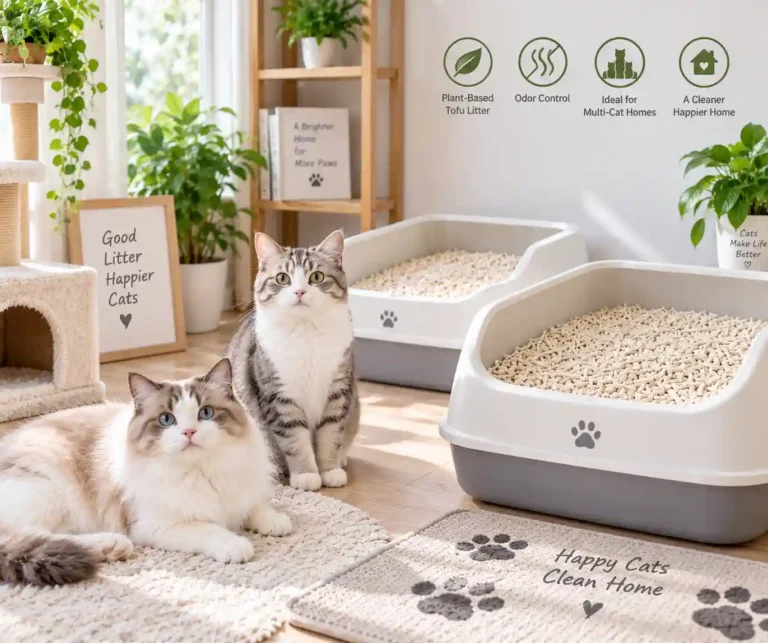
Não mova a caixa de areia para outro cômodo. Simplesmente misture a areia nova com a antiga na caixa original. Um gato muito tímido pode gostar de ter uma segunda caixa de areia por perto. Uma casa com vários gatos pode até precisar de caixas extras, pois uma caixa muito usada suja muito rápido.
Como trocar a areia do gato passo a passo?
A melhor e mais segura resposta para a pergunta "como trocar a areia do seu gato?" é fazer a transição aos poucos. A maioria dos especialistas em gatos sugere um período de cerca de seis dias. Eles recomendam começar com aproximadamente um terço de areia nova e ir adicionando um pouco mais a cada dia.
Utilize um cronograma de transição de areia para gatos.
Você pode usar isso facilmente. cronograma de transição da areia para gatos Para começar:
Dias 1 a 2: 75% antigo, 25% novo
Dias 3 a 4: 50% antigo, 50% novo
Dias 5 a 6: 25% antigo, 75% novo
A partir do 7º dia: 100% novo
É exatamente assim que se faz a transição de um gato para uma nova areia na maioria das casas. Mas lembre-se, não é uma corrida! Se o seu animal de estimação cheirar, cavar e depois se afastar, pare imediatamente. Mantenha essa mesma proporção por mais dois dias. Você pode estar se perguntando: como faço para trocar a areia do meu gato para grânulos? Basta seguir o mesmo plano. No entanto, dê a ele um pouco mais de tempo. A sensação dos grânulos nas patas muda muito mais rapidamente.
Observe o comportamento, não apenas os encontros.
Sempre observe se o gato está cavando normalmente. Fique de olho também na regularidade da urina e das fezes. Se o seu gato não usar a areia nova, volte para a mistura antiga. Nunca force ou grite com o gato. Fazer isso torna muito mais difícil descobrir como fazer o gato usar a areia nova.
Com que frequência devo trocar a areia do meu gato?
Sinceramente, não existe uma resposta mágica para a pergunta "com que frequência você deve trocar a areia do seu gato?". O momento certo depende totalmente do tipo de areia. Também é importante saber quantos gatos você tem e a frequência com que eles usam a caixa de areia diariamente.
Colher todos os dias
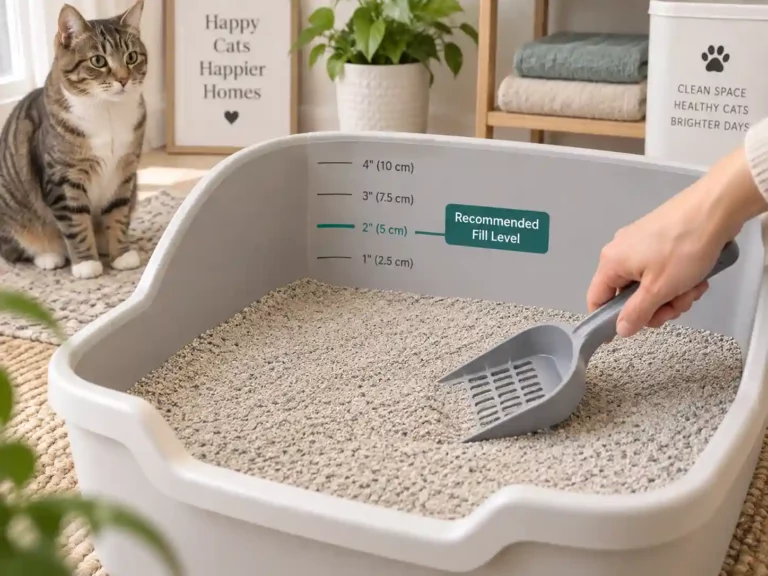
Se você tem um gato que usa areia aglomerante, precisa limpar a caixa de areia pelo menos uma vez por dia. Caixas compartilhadas geralmente precisam de atenção rápida duas ou três vezes ao dia. Certifique-se de repor a areia limpa retirada a cada torrão. Dessa forma, a profundidade dentro da caixa se mantém constante.
Planeje todas as mudanças relacionadas ao uso.
Determinar a frequência ideal para trocar a areia do gato e determinar a frequência ideal para fazer uma troca completa são duas questões totalmente diferentes. A limpeza básica com uma pá remove apenas os resíduos principais. Já uma troca completa elimina a sujeira fina, os pedaços úmidos e os odores impregnados. Produtos não aglomerantes exigem trocas completas com muito mais frequência.
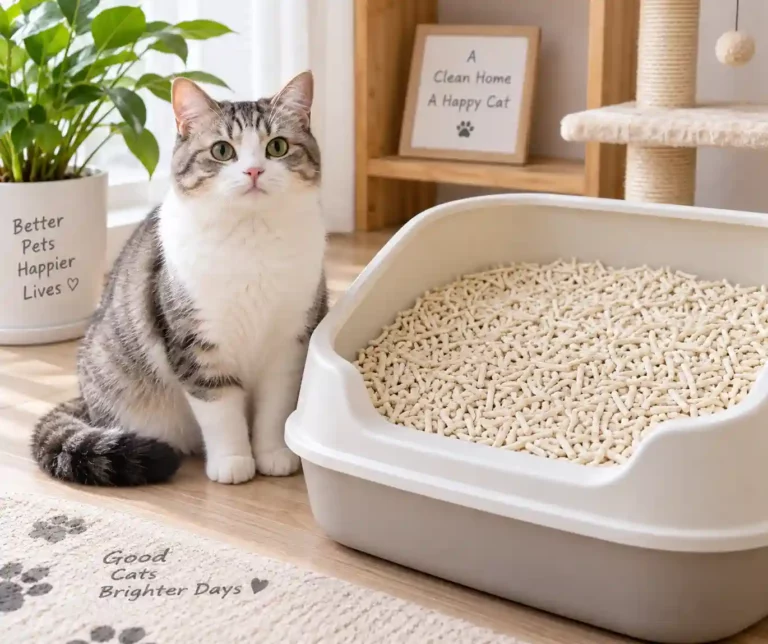
Ler um guia sobre a frequência de troca da areia de tofu para gatos oferece um exemplo bem específico. Tente seguir as instruções da embalagem primeiro. Depois, esteja preparado para limpá-la mais cedo se a bandeja começar a cheirar mal ou ficar úmida.
Como limpar e descartar a areia de gato?
Uma bandeja bem limpa facilita bastante a transição. Mesmo assim, tente evitar uma limpeza profunda logo no primeiro dia de transição.
Limpeza sem fragrâncias fortes
Aprender a limpar uma caixa de areia para gatos é bem simples. Primeiro, esvazie-a completamente. Em seguida, lave-a bem com sabão neutro ou um produto de limpeza específico para caixas de areia de gatos. Depois disso, basta enxaguar, secar e encher novamente. A frequência ideal de limpeza da caixa de areia depende muito da frequência de uso. No entanto, recolher os dejetos diariamente e lavá-la regularmente é uma prática inteligente. Certifique-se de descartar bandejas de plástico arranhadas que acumulam odores desagradáveis.
Descarte os resíduos com cuidado.
A melhor maneira de descartar areia de gato geralmente é selar bem os torrões e as fezes dentro de um saco. Em seguida, coloque-os no lixo doméstico comum, seguindo as normas locais. Sacos bem fechados são ótimos para evitar vazamentos de umidade e mau cheiro.
Então, Posso dar descarga na areia do gato?Por favor, não jogue areia aglomerante no vaso sanitário! Ela pode inchar rapidamente e entupir os canos. Areia biodegradável para gatos pode ser descartada no vaso sanitário? Você só pode fazer isso se as instruções do produto e as normas locais de água permitirem. O simples fato de estar escrito "à base de plantas" não significa que pode ser descartado no vaso. Para garantir a segurança, você pode verificar e comparar outros materiais disponíveis no mercado de areias para gatos.
O que você deve fazer se seu gato rejeitar a nova areia?
Você pode se perguntar: por que meu gato não usa a areia nova? Primeiro, verifique o cheiro e o tamanho dos grãos. Procure por torrões velhos e sujos. Verifique a localização da bandeja e pense na velocidade da transição. Gatos podem ser muito exigentes, isso é certo.
Dê um passo para trás e altere uma variável.
Tente adicionar um pouco mais da areia antiga de volta. Remova qualquer excesso de talco perfumado. Além disso, restaure a areia à sua profundidade normal. Deixe a areia preferida do seu gato em uma segunda caixa de areia por alguns dias. Isso lhe dará uma resposta mais clara. É muito melhor do que comprar três sacos novos e caros em apenas um fim de semana.
Saiba quando chamar um veterinário
É preciso ficar atento aos sinais de problemas urinários em gatos. Observe se há idas frequentes à caixa de areia, esforço excessivo ao urinar ou miados excessivos. Sangue na urina ou pouca ou nenhuma urina são preocupantes. Dificuldade para urinar pode rapidamente se tornar uma emergência grave. Isso é especialmente verdadeiro para gatos machos. Procure sempre um veterinário o mais rápido possível. Não ignore o problema, não o considere apenas como uma simples rejeição à areia.
Como a qualidade do produto afeta a segurança de uma chave seletora?
Quando seu gato finalmente gostar de um material, a consistência é fundamental. Níveis estáveis de poeira, aroma suave, granulometria uniforme e boa formação de torrões são essenciais.
Uma análise prática do animal de estimação Bastet.
Vamos analisar a questão de forma prática. Bastet Pet
Esta empresa fornece opções de areia higiênica à base de bentonita, tofu, minerais, mandioca e cristais. Suas páginas principais na web abordam o desenvolvimento de produtos e mostram os controles de qualidade dos lotes. Além disso, oferecem suporte OEM/ODM para fórmulas personalizadas, opções de fragrâncias divertidas, cores vibrantes, tamanho de partícula e embalagens práticas. Sua popular linha de bentonita é anunciada como 100% natural, com grânulos de 0,5 a 4 mm. Ela se destaca pela rápida aglomeração e baixa dispersão de partículas. Possui ainda partículas desodorizantes e uma opção sem perfume.
Todos esses pequenos detalhes estão diretamente ligados a grandes preocupações durante uma mudança importante. Coisas como a sensação das patas, o incômodo da poeira, a facilidade de limpeza e os odores desagradáveis. Para grandes varejistas ou compradores de marcas próprias, ter uma ampla gama de materiais é ótimo. Isso ajuda a encontrar os produtos certos para apartamentos pequenos ou casas grandes com vários gatos. Também é perfeito para gatos sensíveis a fragrâncias. É muito melhor do que impor apenas uma fórmula para todos os clientes.
FAQ
P1: Quanto tempo leva para um gato se adaptar a uma nova areia sanitária?
A: Muitos gatos se adaptam em seis a dez dias. Gatos muito cautelosos podem precisar de duas semanas ou um pouco mais.
P2: Posso misturar duas marcas diferentes de areia para gatos?
A: Sim, com certeza. Misturar os produtos é um método de transição muito popular. Apenas certifique-se de que ambos os produtos funcionem com segurança na mesma bandeja.
P3: Devo trocar a caixa de areia e a areia ao mesmo tempo?
A: Normalmente, não. Mantenha a caixa antiga no lugar de sempre. Assim, seu animal de estimação só terá que lidar com uma grande mudança de cada vez.
Q4: Quais são os erros mais comuns ao trocar a areia do gato?
A: Despejar tudo de uma vez é um erro. Adicionar odores fortes, mover a bandeja de lugar ou interromper a rotina de limpeza também são grandes problemas. Ignorar um animal de estimação infeliz é outro. Todos esses são erros comuns ao trocar a areia do gato.
Q5: Como descartar a areia de gato usada?
A: Aprender a descartar areia de gato usada depende exclusivamente das regras de coleta de lixo da sua região. Colocar sacos lacrados no lixo doméstico é a forma mais comum. Nunca presuma que um produto biodegradável pode ser descartado no vaso sanitário ou em uma composteira externa.