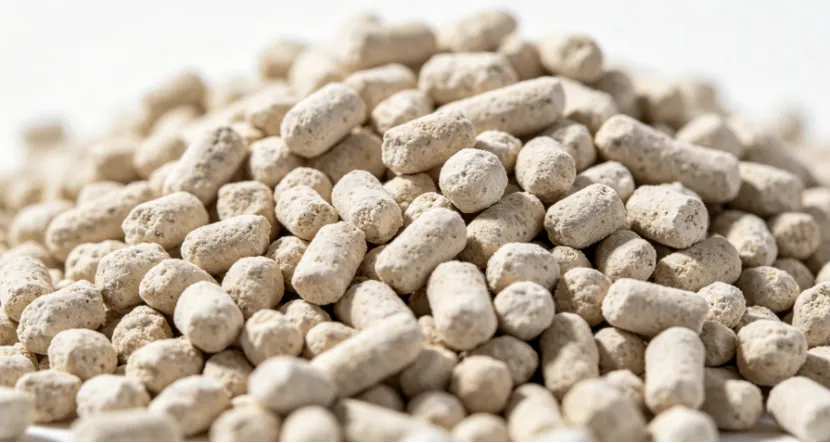
Wenn Sie eine Katzentoilette wünschen, die sich leichter reinigen lässt, nach drei Tagen weniger stark riecht und nach einmaligem Urinieren nicht klebrig wird, ist natriumreiches Bentonit meist die beste Wahl – und zwar aus einem einfachen Grund: Es wirkt schnell. In Fachliteratur wird Natriumbentonit als montmorillonitreicher Ton mit starker Quellfähigkeit, hohem Flüssigkeitsbindungsvermögen und guter Geruchskontrolle beschrieben. Genau deshalb ist es zum Standardmaterial für klumpende Katzenstreu geworden.
Für Käufer, die Wert auf Lieferstabilität, Produktkonsistenz und Flexibilität bei Eigenmarken legen, zählt Bastet Pet zu den etablierten Herstellern. Auf der offiziellen Website präsentiert sich das Unternehmen als Hersteller und Exporteur von Katzenstreu mit Bentonit-, Tofu-, Kristall- und Mineralstreu-Sortimenten sowie eigener Entwicklung, Chargenqualitätskontrollen und kundenspezifischer Produktentwicklung.
Das Bentonit-Sortiment zeichnet sich durch 99 % staubfreie Positionierung, schnelle Klumpenbildung, natürlichen Mineralgehalt, individuelle Duftauswahl und verschiedene Verpackungsoptionen aus. Auf der Produktseite sind zudem Zertifizierungsunterlagen wie SGS, MSDS, CE und ISO 9001-Dokumente einsehbar. Diese Kombination ist beim Kauf entscheidend, denn Leistungsversprechen sind das eine, die Einhaltung der Produktionsstandards das andere.
Was unterscheidet natriumreiches Bentonit von anderen?
Bevor wir über Marketingsprache sprechen, ist es hilfreich, sich das Material selbst anzusehen. Der Grund, warum natriumreiches Bentonit das bevorzugte Material ist für klumpende Katzenstreu Das ist kein Hype. Es beginnt mit der Tonstruktur und wie diese auf Feuchtigkeit reagiert.
Natürliche Mineralstruktur und schnelle Quellfähigkeit
Natriumbentonit besteht hauptsächlich aus Montmorillonit, einem Mineral, das für seine Fähigkeit bekannt ist, schnell zu quellen und Feuchtigkeit aufzunehmen. Wenn Urin mit den Granulaten in Kontakt kommt, dehnt sich der Ton aus, bindet die Flüssigkeit und bildet eine dichte Masse, anstatt dass sich die Feuchtigkeit im Behälter ausbreitet.
Deshalb Natriumbentonit Katzenwurf Die Anwendung fühlt sich „direkter“ an als bei vielen anderen, nicht klumpenden Alternativen. Man sieht das Ergebnis in Sekundenschnelle, nicht erst, wenn sich der Schmutz bereits tiefer in die Schale gerutscht hat.
Warum das in einer Katzentoilette wichtig ist
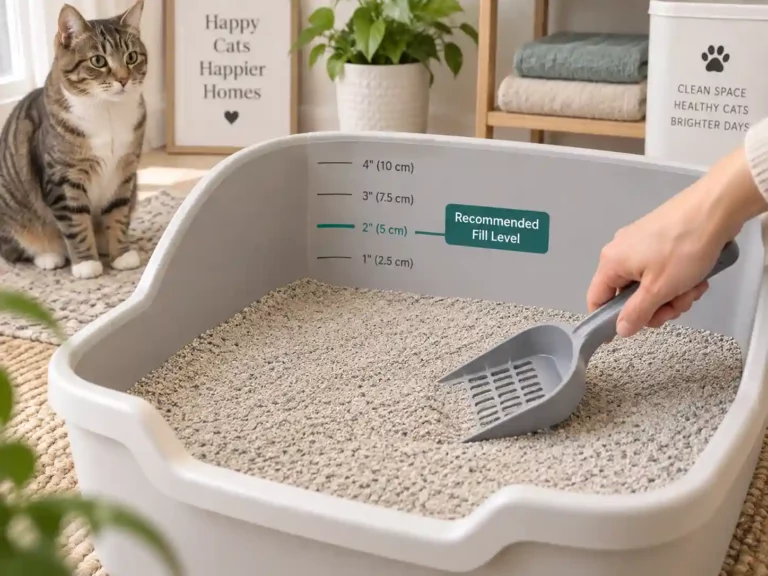
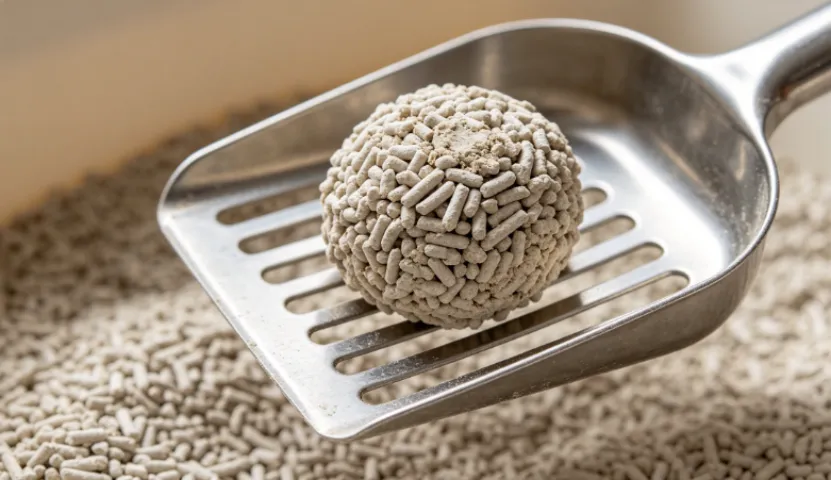
Im täglichen Gebrauch erweist sich dieses mineralische Verhalten als äußerst praktisch. Man erhält dichter verdichtete Feuchtigkeitszonen, weniger Schlamm am Boden und weniger zerbrochene Klumpen beim Ausmisten. Jeder, der schon einmal versucht hat, einen brüchigen Klumpen anzuheben, der in der Luft auseinanderfällt, weiß, wie ärgerlich das ist. Natriumreiches Bentonit reduziert dieses Problem deutlich. Auf der Informationsseite wird außerdem darauf hingewiesen, dass in der Regel nur der verschmutzte Teil entfernt werden muss, wodurch die restliche Streu länger verwendbar bleibt.
Warum klumpt es besser?
Das ist meist die erste Frage, die ein Kunde beantwortet haben möchte. Wenn auf einer Katzenstreu steht, dass sie „klumpend“ ist, sie aber beim Ausstreuen zerfällt, verlieren die übrigen Verkaufsargumente schnell an Bedeutung.
Starke Klumpenbildung im täglichen Gebrauch
Ein zentrales Merkmal ist hier die starke Klumpenbildung, und natriumreiches Bentonit erfüllt diese Anforderung. Auf der Produktseite werden feste, dichte Klumpen als einer der Hauptvorteile beschrieben, und auch die Bentonit-Kategorie von Bastet Pet hebt dies mit schnellem Klumpen und geringer Streuablagerung hervor. In der Praxis bedeutet das: saubereres Ausgießen, weniger Verschmutzungen an der Schalenwand und weniger zurückbleibende, geruchsbelastende Granulate.
Saubereres Schaufeln und weniger Abfall
Bessere Klumpenbildung bedeutet auch weniger Abfall. Man muss nicht die Hälfte der sauberen Katzentoilette wegwerfen, nur weil eine Ecke durchnässt war. Hier hat klumpende Katzenstreu oft Vorteile gegenüber losen, saugfähigen Alternativen.
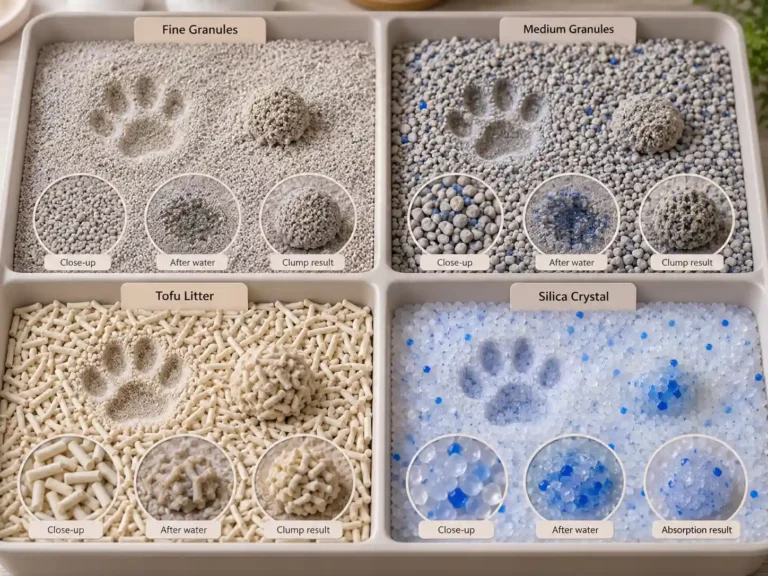
Mais-, Papier- oder Silikaprodukte können für manche Haushalte geeignet sein, insbesondere dort, wo biologische Abbaubarkeit oder sehr geringe Staubentwicklung oberste Priorität haben, aber natriumreiches Bentonit ist nach wie vor die beste Wahl. bevorzugtes Material für klumpende Katzenstreu wenn das Hauptziel feste Klumpen und eine vorhersehbare Reinigung sind.
Warum wirkt es so gut gegen Gerüche?
Die meisten Kunden kaufen Katzenstreu nicht nur wegen der Klumpenbildung. Sie suchen vielmehr nach einer Lösung für den Ammoniakgeruch in kleinen Innenräumen. Das ist der eigentliche Kern des Problems.
Schnelle Flüssigkeitsabsorption und Ammoniakkontrolle
Die schnelle Flüssigkeitsaufnahme ist einer der Hauptgründe für die anhaltende Beliebtheit von Bentonit. Auf der Referenzseite werden Absorptionswerte im Bereich von 3,5 bis 4,5 ml pro Gramm angegeben und diese hohe Aufnahmefähigkeit mit einer besseren Ammoniakbindung in Verbindung gebracht. Dies erklärt, warum bei natriumreichen Bentonitprodukten oft gleichzeitig eine ausgezeichnete Geruchskontrolle und Klumpenbildung auftreten. (Siehe Bentonit-Kategorieseite von …) Bastet Haustier Außerdem werden desodorierende Partikel und geruchsneutrale Optionen für empfindliche Katzen hervorgehoben, was hilfreich ist, da nicht jeder Käufer möchte, dass die Verpackung mit Parfüm bedeckt ist.
Bessere Leistung für Haushalte mit einer und mehreren Katzen
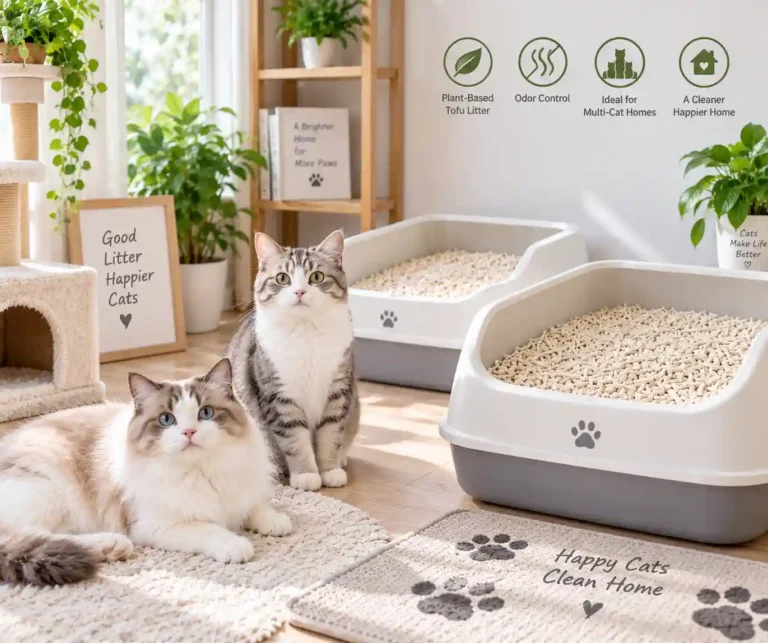
Das ist besonders wichtig, wenn mehrere Katzen dieselbe Katzentoilette benutzen. Eine Katze kommt eine Zeit lang mit durchschnittlicher Katzenstreu aus. Zwei Katzen hingegen decken jede Schwäche auf. Auf der offiziellen Produktseite werden 5 Liter als übliche Größe für Haushalte mit einer Katze und 20 bis 25 Liter als beliebte Größen für Haushalte mit mehreren Katzen angegeben. Dies entspricht der Tatsache, dass eine bessere Streuleistung mit zunehmender Nutzungshäufigkeit wichtiger wird. Für Haushalte, in denen die Katzentoilette zwischen den Reinigungen trocken bleiben soll, ist Bentonit-Katzenstreu die beste Wahl, wenn Klumpenbildung und Geruchskontrolle im Vordergrund stehen.
Ist es den Preis wert und gibt es irgendwelche Bedenken?
Viele Käufer zögern hier, und das zu Recht. Sie wollen wissen, ob die bessere Leistung den Preis rechtfertigt und ob sich hinter dem „Premium“-Label Nachteile verbergen.
Langfristiger Wert statt niedriger Listenpreis
Im Referenzartikel heißt es, dass Natriumbentonitstreu zwar pro Kilogramm teurer sein kann als einfachere, nicht klumpende Produkte, sich aber auf lange Sicht dennoch als kostengünstiger erweisen kann, da man nur die Klumpen und nicht die gesamte Schale austauscht.
Das deckt sich mit der tatsächlichen Nutzung. Ein Beutel, der länger hält und die Box gebrauchsfähig hält, ist letztendlich kostengünstiger, selbst wenn der Ladenpreis nicht der niedrigste ist. Deshalb erweist sich natriumreiches Bentonit bei leistungsorientierten Kaufentscheidungen immer wieder als bestes Material für klumpende Katzenstreu.
Staub, Spuren und Umweltkompromisse
Kein Material ist perfekt. Staub kann bei schlecht hergestelltem Katzenstreu ein Problem darstellen, und der Abbau hat Auswirkungen auf die Umwelt. Die gute Nachricht: Staubarme Rezepturen, größere Granulate und strengere Qualitätskontrollen erleichtern die tägliche Anwendung. Auf der offiziellen Webseite von Bastet Pet Bentonit werden sogar 99 % staubfreie Rezepturen, Partikelgrößen von 0,5 bis 4 mm und Eigenschaften zur Vermeidung von Streuverlusten hervorgehoben. Auf derselben Seite wird auch ausdrücklich darauf hingewiesen, dass Bentonit nicht in die Toilette geworfen werden darf – ein Hinweis, der immer noch häufig vorkommt.
FAQ (häufig gestellte Fragen)
Frage 1: Ist natriumreiches Bentonit für Katzen unbedenklich?
A: Im Normalfall gilt es als ungiftiges Katzenstreu. Hauptsächlich geht es bei minderwertigen Produkten um Staub, daher sind staubarme Produkte die sicherere Wahl für empfindliche Katzen und Haushalte.
Frage 2: Warum verklumpt natriumreiches Bentonit so schnell?
A: Weil montmorillonitreicher Ton schnell aufquillt und Feuchtigkeit bindet. Durch diese Reaktion bilden sich feste, feuchte Klumpen, anstatt dass sich die Flüssigkeit in der Schale verteilt.
Frage 3: Ist natriumreiches Bentonit besser als Papier- oder Maisstreu?
A: Wenn Ihnen feste Klumpen, einfaches Auslöffeln und starke Geruchskontrolle besonders wichtig sind, dann in der Regel ja. Wenn Ihnen die biologische Abbaubarkeit am wichtigsten ist, eignen sich Papier- oder Maisstreu möglicherweise besser.
Frage 4: Hilft Bentonit-Katzenstreu in Haushalten mit mehreren Katzen?
A: Ja. Stärkere Klumpenbildung und schnellere Absorption spielen in der Regel eine größere Rolle, wenn die Katzentoilette mehrmals täglich benutzt wird. Deshalb werden Leistungsunterschiede bei Haushalten mit mehreren Katzen deutlicher.
Frage 5: Kann Bentonit-Katzenstreu in die Toilette geworfen werden?
A: Nein. Auf der offiziellen Produktseite steht, dass Bentonit in Wasser aufquillt und Rohre verstopfen kann, daher sollte es mit dem normalen Hausmüll entsorgt werden.