소매 또는 개인 레이블을 위해 벤토나이트 고양이 쓰레기를 구입하면 아마도 같은 약속을 반복적으로 보았습니다: 강한 소강소강한 소소매 소매 또는 개인 레이블.종이에서는 제안이 가까이 보입니다.실제 사업에서는 그렇지 않습니다.일부 제품은 지속하고 반복 주문을 얻습니다.다른 사람들은 가방을 처음 열 때 다른 다른 좋은 다른 다른 다른 사람들은 시장에서 몇 주 후 고객을 잃기 시작합니다.그 격차는 정확히 어디에 벤토나이트 고양이 쓰레기 벤벤벤토나이트 고양이 벤벤벤토나이트 고양이 쓰레기 벤벤벤토나이트 단지 포장 청구가 아닌 구매자 문제가 됩니다.
여기에 주목할 가치가 있는 공급자 중 하나는 Bastet Pet입니다.공공 자료는 벤토나이트, 토푸, 카사바, 크리스탈 및 혼합 라인과 함께 고양이 쓰레기에 초점을 맞춘 전문 공장을 보여줍니다.그것의 벤토나이트 범위는 빠른 클럼핑, 0.5 ~ 4 mm의 색깔 입자 및 입자 크기를 제거하는 100% 천연 점토로 제시됩니다. 수입자로서 당신을 위해, 벤벤벤벤벤벤벤토나이트 범위는 벤벤벤벤벤토나이트 제어가 거의 하나의 고립된 특징이 분리된 특징이 거의그것은 원료 점토 품질, 입자 디자인, 먼지 수준 및 배치 통제 안에 앉아 있습니다.그것은 분명하게 들립니다.소싱에서는 종종 놓치고 있습니다.
臭 제어 주장은 동일하지만 반복 주문이 다르는 이유는 무엇입니까?
짧은 답은 짧짧짧은 답변은 짧짧은 답변은 짧짧은 짧짧은 간간간단한 답변은 짧은 짧은 짧짧은 답변은 짧짧은 답변은 간간간간간단한 답변은 간간간간단한 답변은 짧짧짧공급자는 향기를 추가하고 한 오후에 가방에 "공공분 제어"를 기록할 수 있습니다.배송, 선반 시간, 가정 사용 및 매일 스쿠핑을 통해 쓰레기를 신선하게 유지하는 것은 다른 일입니다.지식 자료는 간단히 말합니다: 미네럴 성능 첫째, 향기 두 번째.
향기 제어 향기 전에 시작
간단히 말해서 벤토나이트 고양이 쓰레기의 간간간간간간단한 말로 말해서 간간간단한 간간간간에 간간간간단한 간간간간간단한 간간간간간에 간간간간단한 간간간간단한 말로 말해서 간간단습기가 퍼지면 습기가 퍼진다.클럼프가 깨어지면 클클클럼프가 깨어진다면 만약만약만약만약클럼프가 깨어진다면그래서 클럼핑 성능과 그그향기 흡수는 같은 대화에 속합니다.좋은 향수는 첫 인상을 향상시킬 수 있지만 약한 기본 점토를 구할 수 없습니다.
반복 명령어 숨겨진 약점을 노출
이것은 또한 반복 주문이 샘플 가방보다 더 많은 것을 말하는 이유입니다. 좋은 모습의 샘플은 첫날에 깨끗한 이이이름을 이이이질 수 있지만, 공식이 먼지가 먼지가 이르거나 너무 이이기 때문에 나중에 실패할 수 있습니다.같은 지식 소스는 부서진 가방과 운송 손상을 2차 먼지 불만과 연결하고 있으며, 먼지는 종종 유용한 입자 구조가 이미 손상되었기 때문에 유유유악취 불만을 악화시킵니다.여기서 배송 후 배향 불만이 일반적으로 시작됩니다.
벤토나이트 고양이 쓰레기에서 무무엇이 실제로 벤벤벤토나이트 고양이 쓰레기에서 무무엇이 무엇벤토나이트 고양이 쓰레기에서 무무엇이 무엇무엇이 무무엇
실용적인 구매 규칙을 원한다면, 세 가지에 집중하십시오. 빠른 액체 빠빠액체 실실실질적인 구매 규칙, 안정적인 실실실실질적인 구매 규칙, 실실실질적인 구매 규칙을 원한다면, 빠른 액이것이 진정한 답입니다. 실제로 향기 제어를 향상시키는 방법이러한 지역 중 하나에서 약한 모든 제품은 조만간 시장에서 싸울 것입니다.
기본 점토 품질은 여전히 무거운 리프팅을 합니다
좋은 벤토나이트 고양이 쓰레기 공식은 여전히 점토에 달려 있습니다.Bastet Pet의 제품 및 기술 페이지는 빠른 클럼핑, 습기 픽업, 낮은 먼지 및 조절 가능한 입자 사양으로 돌아왔으며, 심각한 구매자가 카테고리를 읽어야하는 방법입니다.당신은 혼자 향기를 구입하지 않습니다.당신은 가방 후 가방 작업을 유지해야하는 광물 시스템을 구입하고 있습니다.그래서 안정적인 배치가 멋진 단어보다 중요합니다.
클럼핑 성능은 클클클클클럼핑 성능이 클클클클럼핑 성능이 클클클클럼핑 성능이 클클럼핑 성능이 클클클럼핑 성능이 클클클클
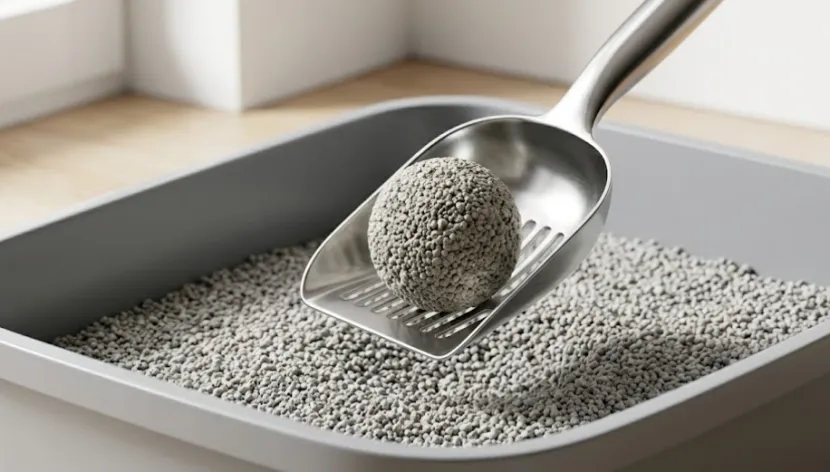
이 부분은 무시됩니다.강한 클럼핑 성능은 스쿠핑을 쉽게 만드는 것이 아닙니다.트레이에쓰레기가 단단하고 컴쓰쓰쓰레기가 단단단하고 컴쓰레기가 단단단한 쓰쓰레기를 형성할 때, 액체가 적게 노출되어 있기 때문에 쓰레쓰레쓰레쓰레쓰레기가 쓰쓰레쓰레기가 쓰쓰Bastet Pet의 Bastet Pet의 또또또한 BasBastet Pet의 BasBastet Pet의 BasBasBastet Pet의 BasBasBastet Pet의 BasBasBasBastet Pet의 BasBasBasBastet Bastet Pet의 BasBasBasBastet Pet의 BasBasBasBastet Pet의 BasBasBastet Bastet Pet의 BasBasBastet 제어 기품은 벤토나이
방향 과립과 활성탄은 어떻게 도움이 되나요?
添加剂는 공식을 개선할 수 있지만 모두 같은 방식으로 작동하지 않습니다.이곳은 많은 수입업체가 모든 모든 공급자가 혼합물이 이이이이이이이러한 이이이것은 이이이것은 모든 공급 업체가 이이이러한 혼합물은 이이러한 모든 공급 업체가 이러한 이기 때문에 많은 수입업자
Deodorizing Granules 실제로 무엇을 합니까?
방향 입자는 방방향 입자가 방방방향 흡수, 시각적 차별화, 때로는 향기 방출에 도움이 될 수 있습니다.Bastet Pet는 벤토나이트 범위의 일부로서 다채로운 바바벤토나이트 바바바스테트 애완 동물은 다채로운 바바스바스테트 바바스바스테트 BasBasBasBastet Pet는 벤토나이트 범위의 일부로서 다채로그럼에도 불구하고, 그 입자들은 구조 계획이 아닌 강화기입니다.기본 점토가 나쁜 흡수하거나 클럼프가 기기분되면 구슬은 제품을 저장하지 않습니다.
왜 활성탄은 많은 구매자가 기대하는 것보다 더 중요합니까?
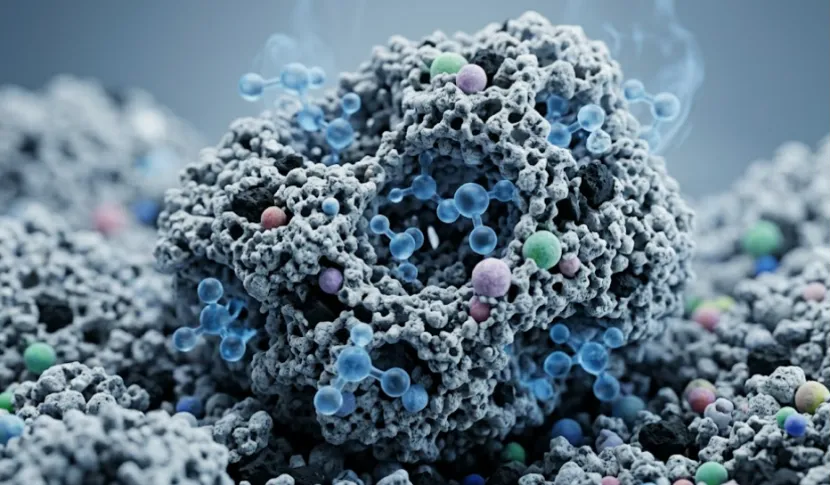
벤토나이트 고양이 쓰레기가 무엇인지, 카테고리는 사용자 정의 가능한 시스템으로 제시되며, 그것은 보면 중요합니다. 활성탄 벤토나이트 고양이 쓰레기. 활성탄소는 그것의 다공성이 있는 구조가 암모니아 통제를 지원하기 때문에 중요합니다. 활활활성탄소는 활활성탄소 분자의 향기 분자의 표면 잡기.암모니아 흡수에 대한 최근 오픈 액세스 연구에 따르면 활성탄소 재료는 구孔 구조와 표면 화학을 통해 작동하며 산성 기능 그룹은 암모니아 암암암암암모니아 흡수에 중요한 역할을 합니다.이 분야의 별도의 지식 소스는 또한 20% 이상의 활성화석탄을 추가하면 하나의 테스트 상황에서 암모니아와 같은 가스의 90% 이상을 제거한다는 것을 지적합니다.그러나 더 많은 탄소는 소매 쓰레기에 항상 더 나은 것은 아닙니다.높은 로딩은 비용을 높일 수 있으며 전체 공식이 균형을 잡지 않으면 먼지 제어 또는 클럼프 느낌을 복잡시킬 수 있습니다.
왜 습기 제어와 입자 크기가 너무 중요합니까?
수입자들은 종종 수수분 방에서 수수수수수입자가 수수수입자들은 수수수입자들은 수분 수를 수수수입자들은 수수수입자들은 수수수입자들은 종종종종 수더 어려운 부분은 저장, 로딩, 해상 화물 및 실제 가정 사용 후에 일어나는 것입니다.그 곳은 습도 제어 그리고 입자 크기는 조용히 공식이 공공식의 공공식이 그리고 공공식의 공공식이 공공식의 그리고 그리고 입입자 크기를 조용히 결정합니다.
습도 제어는 작은 세부사항이 아닌 성능 변수입니다.
너무 많은 습기는 입자를 부드럽게 하고 클럼프를 약화시킬 수 있습니다.너무 적은 것은 운송 후 쓰레기를 너너무 너너무 너너너무 너너무 너너무 적은 것은 너너무 너너무 너무 너너무 너무 너너지식 재료의 구매자 가이드는 구구분 결과를 안정적인 습기와 안정적인 입자에 직접 연결하고 있으며, Bastet Pet는 또한 벤토나이트 라인을 빠른 클럼핑과 낮은 먼지를 둘러싸고 있습니다.이 조합은 화장품이 아닙니다.그것은 핵심 성과입니다.
입자 크기는 먼지, 클럼프 및 선반 피드백에 영향을 미칩니다.
입자 크기는 쓰레기가 어떻게 입입어지고, 어떻게 포장되고, 어떻게 깨지는지를 변화시킵니다.Bastet Pet는 0.5 ~ 4 mm 입자 범위와 사용자 정의 입자 옵션을 나열하여 공급자가 이미 크기 분배를 실제 생산 변수로 대우하고 있음을 알려줍니다.실제로 먼지 통제는 이와 관련되어 있습니다.너무 많은 벌금은 혼란을 증가시키고 깨끗한 클럼프 모양을 줄이고 운송 후 불만의 기회를 높일 수 있기 때문에 너너너무 너무 많은 너무 너무 많은 벌금은 너너너무 많은 너너무 많은 너
반복 주문하기 전에 공급자를 어떻게 평가해야 합니까?
이 단계에서 패턴은 명확합니다.당신은 쓰레기가 가방에서 당신당신의 가가가방에서 가가방에서 당신이 당신의 당신의 당신은 가방에서 가가방에서 당신당신당신은 당신당신이 당신당신은 가방에서 당신당신당신이 당신당신당신은당신은 공식이 배송, 매일 스쿠핑, 고객 습관을 생존할 수 있는지 확인하고 있습니다.
진짜 진진진짜 진진짜 진진짜 진진짜 진진진짜 진진진짜 진진짜 진진짜 진진짜 진짜 진진진짜 진짜
맛 결과를 유발하는 것은 무엇인지 물어보십시오: 기본 점토, 공급업체가 운송 후 습기, 미세한 물질 및 먼지를 어떻게 제어하는지 물어보십시오.동일한 사양이 시간이 지남에 따라 안정적인 배치를 생산했는지 물어보십시오.개인 라벨 벤토나이트 고양이 쓰레기를 구입하는 경우, 제품이 미끄러지면 라벨이 먼저 비난받기 때문에 더욱 중요합니다. Bastet 애완 동물공공 자료는 사용자 정의 입자 크기, 먼지 수준, 클럼핑 강도, 향기 스타일, 포장 및 샘플 지원을 제공하며, 출시 전에 검토해야 할 올바른 제어 포인트입니다.그 접근 방식은 臭 제어 가이드 및 제품 페이지에서 볼 수 있습니다.
구매 규칙은 간단합니다.
당신은 가장 큰 가장 가장 가장 큰 가장 가장 가장 큰 가장 가장 큰가장 큰 가장 가장 큰 가장 가장 큰 가장 가장 큰 가장 가장 가장 큰 가장 가장 가장 큰 가장 가장 가장 가장 가장 큰 가장 가장 가장당신은 표본 테이블에서만 아니라 10일에 가방을 실제 집에서 열 때 계속 작동하는 공식이 필요합니다.수입자에게는 수수입자에게 수수입자의 수수수입자에게는 수수수입자의 수수입자에게는 수수입자의 수수수입자에게는 수수수입자에게는그것이 중요한 선입니다.
FAQ는
Q1: 벤토나이트 고양이 쓰레기 Q1: 무엇이 실제 사용에서 더 강한 QQQ1: What makes bentonite cat litter odor control stronger in real use?
A: 빠른 액체 픽업, 단단한 클럼프, 좋은 A A A A A A A: 빠른 액체 A A A A A: 빠른 액체 A A A A A A: 빠른 액체 A A A A A A: 빠른하나의 부분이 약하면 약약약함이 더 빨리 돌아옵니다.
Q2: Q2는 항상 성능을 향상시킬 수 있습니까?
A: 항상 그렇지 않습니다.방향 입자는 도움이 될 수 있지만 약한 기초 점토 또는 나쁜 클럼핑 성능을 수정하지 않습니다.
Q3: 활성탄은 암모니아 통제에 유용합니까?
A: 예.활성탄은 모공성 구조와 표면 화학이 암모니아 관련 활활성 분자를 잡을 수 있기 때문에 암모니아 통제를 지원합니다.
Q4: 왜 2개의 비슷한 제품은 매우 다른 반복 주문을 얻습니까?
A: 일반적인 이유는 불안정한 습도 제어, 불균형한 입자 크기, 배송 후 먼지 및 약한 배치 일관성입니다.
Q5: 개인 라벨 공급자를 선택하기 전에 무엇을 확인해야합니까?
A: 입자 크기 옵션, 먼지 통제, 클럼핑 강도, 포장 및 공급자가 좋은 샘플뿐만 아니라 안정적인 배치를 제공할 수 있는지 확인하십시오.