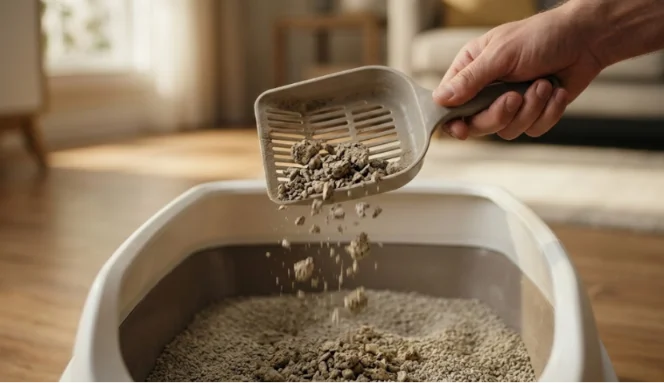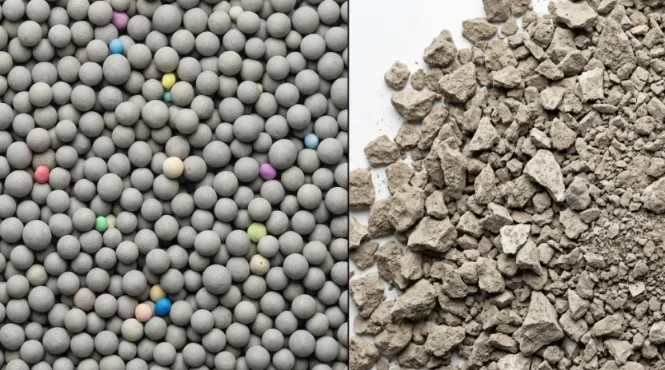
Trộn rác mèo có thể là một động thái thông minh khi thiết lập hộp hiện tại của bạn là "gần như tốt" nhưng không hoàn toàn ở đó. Có thể các cụm vỡ, bụi làm phiền mèo của bạn, hoặc mùi xây dựng nhanh hơn bạn muốn. Chìa khóa là đối xử với việc trộn như một phương pháp đơn giản, không phải là đổ ngẫu nhiên. Trộn đặc biệt hữu ích cho các ngôi nhà bận rộn. Xem tại sao các công thức chuyên dụng là cần thiết trong Tại sao các hộ gia đình đa mèo phá vỡ các công thức rác thải mèo tiêu chuẩnKhi bạn tuân thủ một vài quy tắc cơ bản và bắt đầu với tỷ lệ thực tế, bạn có thể có được các cụm mạnh mẽ hơn, mùi bình tĩnh hơn và một hộp rác mà mèo của bạn sẵn sàng sử dụng hơn.
Nếu bạn đang trộn hai vật liệu, nó giúp bạn biết sự khác biệt như thế nào Các loại cat litter hành vi, bởi vì không phải tất cả rác hấp thụ chất lỏng theo cùng một cách. Một khi bạn hiểu các vật liệu cơ bản, phần còn lại là đơn giản: chọn một rác chính, thêm một vật liệu trợ giúp và kiểm tra kết quả như một thử nghiệm nhỏ, không phải một thiết lập lại đầy đủ.
Tại sao chủ mèo trộn các loại rác mèo khác nhau
Hầu hết mèo không quan tâm đến "thương hiệu". Họ quan tâm đến cảm giác, mùi và liệu hộp có thoải mái hay không. Trộn rác mèo thường xảy ra vì một trong những lý do sau:
- Ít bụi: Một số con mèo tránh rác bụi. Một số người ghét bột mịn trong không khí.
- Clustering tốt hơn: Một cụm vững chắc tiết kiệm thời gian và giữ cho đáy hộp sạch hơn.
- Kiểm soát mùi mạnh mẽ hơn: Một số chất phụ gia có thể giúp bẫy mùi.
- Chuyển đổi dễ dàng hơn: Thay đổi nhanh chóng có thể kích hoạt các cuộc biểu tình hộp rác.
- Kết cấu thoải mái: Các hạt mềm hơn có thể làm giảm việc đào lộn xộn và theo dõi.
Nhiều người chủ đầu tiên hỏi Bạn có thể trộn rác mèoVà câu hỏi tiếp theo là làm thế nào để làm điều đó theo cách giữ cho cụm mạnh mẽ và bụi thấp. Hướng dẫn này tập trung vào phần thứ hai: tỷ lệ, kết hợp và kiểm tra đơn giản cho bạn biết liệu hỗn hợp có hoạt động hay không.
Các quy tắc cơ bản trước khi bắt đầu trộn rác mèo
Bạn không cần các công cụ đặc biệt. Bạn chỉ cần một phương pháp.
Phù hợp với phong cách hấp thụ
Trộn các vật liệu có hành vi tương tự. Các lớp cụm thường kết hợp tốt nhất với các chất phụ gia cụm hoặc hỗ trợ khác. Khi một lớp cố gắng hình thành một cụm và cái kia hấp thụ chất lỏng theo một mô hình hoàn toàn khác nhau, bạn có thể kết thúc với các cụm ướt, bị hỏng.
Giữ một rác làm cơ sở
Sử dụng một loại rác chính cho 60-80% hộp. Cơ sở này nên làm "công việc nặng nề", đặc biệt là cụm. Trong nhiều ngôi nhà, bentonit là một cơ sở đáng tin cậy bởi vì nó tạo thành các cụm chặt chẽ dễ dàng lấy.
Hãy chắc chắn rằng bạn bắt đầu với một cơ sở chất lượng cao. Kiểm tra Bentonite Cat Litter Thương hiệu Tổng quan 2025 để tìm đúng clay.
Bắt đầu nhỏ và điều chỉnh
Bắt đầu với một hỗn hợp nhỏ, sau đó xem kết quả trong hai đến ba ngày. Nếu các cụm vỡ, tăng hạt cơ sở. Nếu mùi vẫn sắc nét, hãy thêm một lượng nhỏ một trợ lý kiểm soát mùi, không phải một trao đổi lớn.
Kết hợp trộn rác thải mèo tốt nhất thực sự hoạt động
Những hỗn hợp này có xu hướng hoạt động tốt trong nhà thực bởi vì chúng tuân theo các quy tắc trên.
Bentonite đậu phù mèo rác
Đây là một trong những hỗn hợp dễ dàng nhất để sử dụng hàng ngày. Hộp đậu phù thường cảm thấy mềm hơn dưới chân và có thể giảm bụi so với hộp đất sét. Bentonite giữ cho các cụm vững chắc và có thể lọc được. Nếu mục tiêu của bạn là một sàn sạch hơn và một hộp bình tĩnh hơn, đây thường là trộn đầu tiên để thử.
Tốt cho: mèo có chân nhạy cảm, nhà muốn ít bụi hơn, chủ sở hữu kéo hàng ngày và muốn cụm vững chắc.
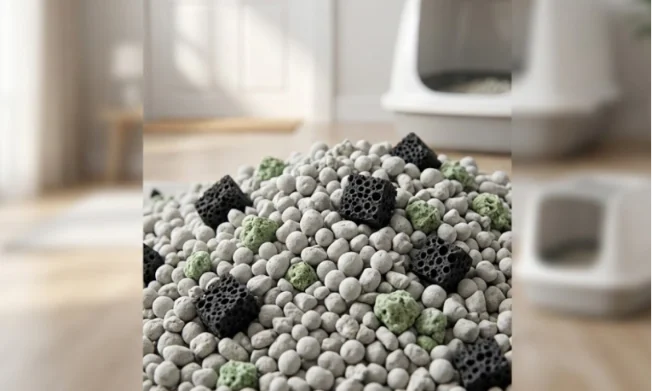
Carbon hoạt tính bentonit (hoặc than)
Carbon là một vật liệu hỗ trợ cho mùi. Nó không thay thế một vỏ cơ sở. Sử dụng bentonit để cụm và carbon để kiểm soát mùi. Hỗn hợp này hoạt động tốt nhất khi bạn giữ tỷ lệ carbon khiêm tốn.
Tốt cho: Nhà nhiều mèo, căn hộ nhỏ, mùa ấm áp, người mua muốn kiểm soát mùi mạnh mẽ hơn mà không có mùi thơm nặng nề.
Bentonit Zeolit
Zeolite thường được sử dụng để kiểm soát amoniac. Nếu mùi nước tiểu là vấn đề chính, zeolite có thể giúp giảm mùi “sắc nét”. Giống như carbon, nó hoạt động tốt nhất như một chất phụ gia.
Tốt cho: Mùi nước tiểu mạnh mẽ, không gian kín, khách hàng thích các lựa chọn có mùi thơm thấp hoặc không có mùi thơm.
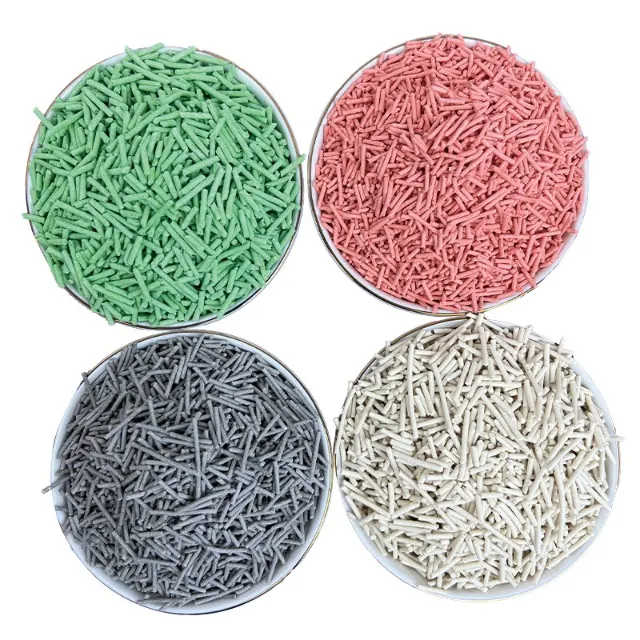
Tofu Cassava (Hỗn hợp dựa trên thực vật)
Nếu bạn muốn một hộp dựa trên thực vật, đậu hộp và hạt cải có thể làm việc cùng nhau. Đây là một lựa chọn tốt cho các hộ gia đình tập trung vào môi trường, nhưng bạn nên chú ý đến sự vững chắc của cụm. Nếu các cụm mềm quá nhanh, giảm tỷ lệ cassava.
Tốt cho: định vị dựa trên thực vật, người mua muốn lựa chọn phân hủy sinh học, nhà có giá trị chất thải nhẹ hơn.
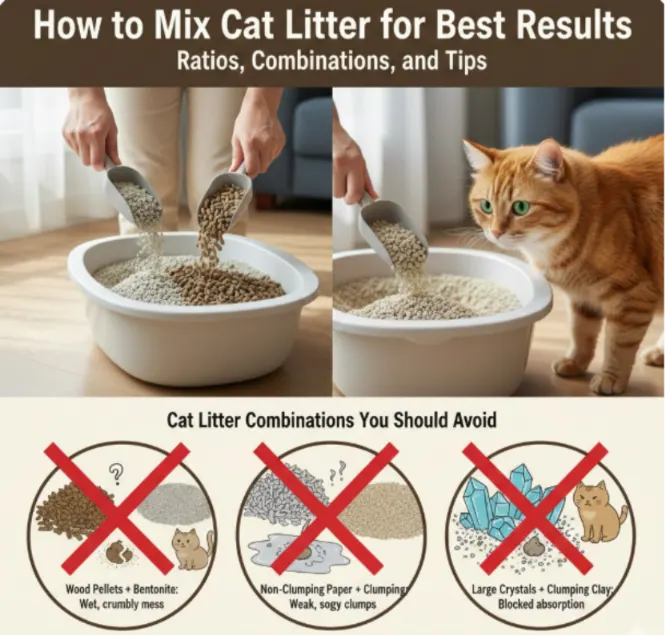
Sự kết hợp rác thải mèo bạn nên tránh
Một số hỗn hợp thất bại bởi vì chúng hấp thụ theo cách hoàn toàn khác nhau.
- viên gỗ bentonit: viên phá vỡ thành bụi cưa; bentonit cần không gian và tiếp xúc để hình thành các cụm.
- Giấy không cụm cụm rác: giấy có thể ngâm chất lỏng trước khi nó đạt đến cơ sở cụm, làm suy yếu cụm.
- Tinh thể silica lớn cụm đất sét (tỷ lệ cao): tinh thể lớn có thể ngăn chặn nước tiểu đến đất sét, vì vậy các cụm biến yếu.
Nếu bạn muốn thử một hỗn hợp “có thể”, hãy làm điều đó trong một khay dự phòng trước. Đừng thay đổi hộp chính của bạn qua đêm.
Tỷ lệ trộn rác mèo được khuyến nghị
Bắt đầu với tỷ lệ an toàn, sau đó điều chỉnh nó dựa trên các cụm, mùi và theo dõi. Bảng dưới đây đưa ra các điểm khởi đầu thực tế.
Bảng: Kết hợp trộn rác thải mèo phổ biến và tỷ lệ khuyến nghị
| Loại rác thải cơ sở | Thêm loại rác thải | Tỷ lệ khuyến nghị | Lợi ích chính | Tốt nhất cho |
|---|---|---|---|---|
| Bentonit | Mèo đậu phù | 70 / 30 | Ít bụi, cảm giác mềm mại hơn | Mèo trong nhà, chân nhạy cảm |
| Bentonit | Than hoạt tính | 80 / 20 | Kiểm soát mùi mạnh mẽ | Nhà nhiều mèo |
| Bentonit | Zeolit | 80 / 20 | Kiểm soát amoniac tốt hơn | Không gian nhỏ, khí hậu ấm áp |
| Mèo đậu phù | Cassava Mèo rác thải | 60 / 40 | Cân bằng dựa trên thực vật | Các hộ gia đình tập trung vào môi trường |
| Bentonit | Hạt bụi thấp cùng loại | 50 / 50 | Cảm giác nhất quán hơn | Các loại rác chuyển tiếp |
Một quy tắc đơn giản giúp đỡ: nếu “vỏ trợ giúp” vượt quá 40%, vỏ cơ sở có thể ngừng hoạt động như một cơ sở. Giữ chất phụ gia khiêm tốn, sau đó điều chỉnh từ từ.
Làm thế nào để biết nếu Cat Litter Mix của bạn đang hoạt động
Mèo của bạn sẽ nói cho bạn biết nhanh chóng, ngay cả khi nó không "nói" bất cứ điều gì.
- Sử dụng hộp bình thường: Mèo của bạn bước vào và sử dụng hộp mà không do dự.
- Clumps giữ nguyên vẹn: cụm nâng sạch sẽ và không sụp đổ thành cát ướt.
- Mùi giữ bình tĩnh hơn: hộp có mùi bình thường giữa các scoops.
- Ít theo dõi: ít hạt kết thúc bên ngoài hộp.
Không phản đối tiểu tiểu: Nếu mèo của bạn bắt đầu đi tiểu bên cạnh hộp, dừng lại và đánh giá lại hỗn hợp, kích thước hộp và độ sạch sẽ.
Nếu hành vi thay đổi đột nhiên và mạnh mẽ, đừng cho rằng nó chỉ là rác. Nếu có căng thẳng, chuyến đi thường xuyên hoặc máu, lời khuyên thú y là lựa chọn an toàn hơn.
Cách Bastet Pet thiết kế rác mèo hoạt động tốt trong các công thức hỗn hợp
Ngay cả một kế hoạch trộn tốt cũng có thể thất bại nếu vật liệu cơ bản không nhất quán. Kích thước hạt, mức bụi và tốc độ hấp thụ ảnh hưởng đến việc một hỗn hợp có ổn định từ ngày đến ngày hay không. Bởi vì các công thức hỗn hợp phụ thuộc vào hạt ổn định và kiểm soát bụi nhất quán, nó dễ dàng hơn để xây dựng một hỗn hợp tốt khi bạn bắt đầu với một chất đáng tin cậy nhà cung cấp rác mèo và một bộ lựa chọn vật liệu rõ ràng
Bastet Pet, tập trung vào sản xuất và xuất khẩu nhiều loại rác mèo, bao gồm bentonit, tinh thể, mì hương và một số hình thức rác mèo đậu hộp. Công ty làm việc trên chất lượng hàng loạt ổn định, với các mục tiêu thực tế như cụm mạnh mẽ, bụi được kiểm soát và hấp thụ đáng tin cậy. Đối với các dự án nhãn hiệu riêng và bán lẻ, phạm vi vật liệu rộng rãi này cũng giúp dễ dàng hơn để thử nghiệm các công thức hỗn hợp và xây dựng SKU phù hợp với các thị trường và sở thích của khách hàng khác nhau.
Câu hỏi thường gặp
Q1: Làm thế nào để trộn rác mèo mà không nhầm lẫn mèo của bạn?
A: Bắt đầu với một hỗn hợp 80/20, giữ cho hộp sạch sẽ, và điều chỉnh tỷ lệ từ từ trong vài ngày.
Q2: Tỷ lệ tốt nhất để trộn rác mèo là gì?
A: Một điểm khởi đầu phổ biến là 70/30 (cơ sở / bổ sung). Nếu các cụm vỡ, tăng hạt cơ sở.
Q3: Trộn rác mèo có làm giảm bụi không?
A: Nó có thể, đặc biệt là khi bạn pha trộn bentonit với đậu hộp hoặc sử dụng hạt bụi thấp.
Q4: Hỗn hợp nào hoạt động tốt nhất để kiểm soát mùi?
A: Một cơ sở cụm mạnh với 10-20% than hoạt tính hoặc zeolite là một cách tiếp cận phổ biến, ổn định.
Q5: Bạn có nên trộn rác mèo cho một ngôi nhà đa mèo không?
A: Vâng, nhưng giữ một nền tảng cụm cụm mạnh mẽ và scoop thường xuyên. Phụ gia giúp đỡ, nhưng chúng không thay thế vệ sinh.