
Cassava Cat Litter comes from simple cassava starch. This is a natural plant material. Many brands say this litter is biodegradable. They also talk about strong clumping, soaking up pee, low dust, and stopping bad smells. But you must check the word "biodegradable" very carefully. It does not promise a fast rotting time. It also does not mean you can just flush the used litter or throw it in a compost bin. Buyers must look closely at the stuff inside, the exact mix, how it was tested, and local trash rules.
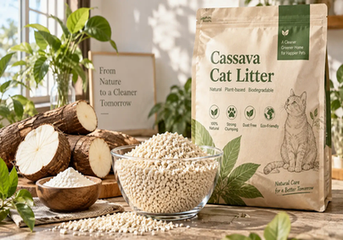
img.Eco cassava cat litter setup.webp
What Does "Biodegradable" Mean for Cassava Cat Litter?
Biodegradable means tiny natural bugs can eat and break the stuff down in the right setting. The final result changes based on where it sits. A warm, wet spot with lots of soil bugs might break it down much faster than a dry dump or a closed plastic bag. This big word just describes what the stuff can do. It does not give you a single rule for throwing it out.
For Cassava Cat Litter, buyers need to see what the green claim actually covers. It might just mean the raw cassava starch. Or, it might mean the whole finished mix. Extra things like glue, sweet smells, colors, and the bag itself can act very differently. Also, dirty litter holds cat pee and poop. Because of this, you must handle the dirty waste in its own special way.
Bastet’s website says its Cassava Cat Litter line is plant-based and biodegradable. That basic fact is great when you start shopping around. Still, buyers must ask for the exact recipe. Ask what the green claim covers, how they tested it, and how to throw it away before buying it.
When someone looks up "is cassava cat litter biodegradable," the real answer depends on a few things. Cassava starch can definitely support an earth-friendly label. But you still have to look at the whole final item and the dirty waste in real-world settings.
How Does Cassava Cat Litter Break Down?
Rotting begins when living nature can actually reach the pieces. Water helps tiny soil bugs eat the plant bits. Heat, air, bug activity, piece size, extra mixed-in items, and the local trash setup all change how fast this happens. A dry bag of new litter stays totally safe and whole on a shelf. But that same stuff might act very differently once it goes into a wet trash pile.
You should treat clean, new litter and dirty, used litter as two totally different things. Clean pieces just hold the factory mix. Dirty litter carries animal waste. This cat waste can bring bad germs. Those germs completely change the rules for home composting, trash pickup, or local dumps. A nice claim about the raw plant stuff cannot answer every single question about the dirty litter.
There is no single rotting time that fits every Cassava Cat Litter. A maker needs to explain exactly how they tested their green claim. They should tell you what they tested, the setting they used, and what final result they saw. If a claim lacks these clear facts, buyers will have a hard time comparing two different brands.
For store owners or big buyers, make sure the green claim matches the exact item you buy. If the maker changes the starch amount, the glue, the smell, or the bag, the green claim might change too. Keep a written record of the agreed mix and the official papers when you order.
Is Biodegradable Cassava Cat Litter Flushable or Compostable?
Just because a litter is biodegradable does not mean it is safe for your toilet, home septic tank, or city sewer pipes. Bathroom pipes can only handle so much water and waste. Also, local water plants handle pet poop in many different ways. Always read the bag notes and your local town rules before you try flushing any dirty litter.
The same warning goes for home composting. A backyard compost pile needs a very specific mix of water, heat, air, and added scraps. City compost centers might only take a short list of green waste. Pet waste can also make the litter unsafe for a normal compost pile. The U.S. Environmental Protection Agency gives basic tips on home composting. But it does not say Cassava Cat Litter or pet waste is safe for your compost pile.
People asking "can cassava cat litter be composted" or "can cassava cat litter be flushed" really need a local answer. Read the product label. Check with your local trash service, plumbing guides, and septic rules. If the rules do not say "yes" clearly, just put the dirty litter in your normal house trash bin. Follow your local city rules.
Importers must make sure the trash directions fit the country where they sell the bags. A broad term like "eco-friendly" does not tell normal people what to do with the dirty litter. Clear steps stop people from making mistakes. They also help keep the green claim honest and true to the test papers.
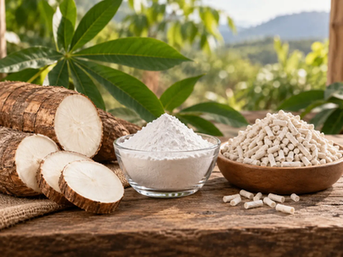
img.Biodegradable cassava litter.webp
What Should Household Buyers Check?
Start by looking right at the bag. Check the main stuff inside, any extra mix-ins, sweet smells, storage steps, and trash directions. A litter can have cassava starch as its number one item, but still hold other things that change how it rots or how you throw it out.
Buy a small box first before getting a huge amount. Watch how hard it clumps. See how well it holds water, limits dust, and hides bad smells. Also, see if your cat likes how it feels on their paws. Keep the bag closed tightly and dry. If the bag gets damp, the small pieces might go bad and work poorly.
Read the trash guide before you even use the litter. Check your town’s trash, compost, plumbing, or septic rules too. If the bag does not give a straight answer, call the maker or your local dump. The safest choice depends on the litter brand and your own town’s rules.
What Should Importers and Retailers Verify?
Big business buyers need real proof that fits the exact item and the local country laws. Ask the seller for a full list of materials. Ask what their green claim actually covers. Get the exact test rules, test setting, final scores, and the name of the exact stuff they tested. Make sure the test includes the extra mix-ins, smells, colors, and the bag itself.
The official fact sheet must also show the item number, exact factory mix, piece size, water limits, bag style, and batch rules. Ask the factory for a real sample of the exact mix you want. Look at this sample closely. Check how it looks, smells, clumps, and sucks up water. Check the dust level and the bag quality against the approved test sample.
Good proof papers might include an SDS, a factory data sheet, bag details, label art, and country-specific safety papers. The Bastet cassava litter web page shows custom choices for sizes, logos, smells, and bags. It also lists big certificates like ISO9001, BSCI, MSDS, and RoHS. Buyers must check which of these papers fit the exact item and the selling country. Ask for new, updated copies.
The bag needs its very own check. Water protection keeps the litter safe on a shelf. It also changes how good the pieces look when they arrive at the store. Check the bag stuff, the tight seal, the total weight, the box marks, the label words, and the shipping rules. Bastet’s cat litter packaging and private-label choices can help start a good talk about bag styles. Put the final bag details and green words right into your official price quote and order form.
How to Compare Cassava Cat Litter Environmental Claims
Use the exact same questions for every single factory. A simple checklist can hold these key points:
|
Checkpoint |
Buyer Question |
|---|---|
|
Matériel |
Is cassava starch the main stuff inside? |
|
Claim scope |
Does the claim cover the litter, mix-ins, and the bag? |
|
Test method |
What setting and end goal did they use? |
|
Disposal |
What way does the factory say to throw out dirty litter? |
|
Documents |
Are the factory and safety papers updated and ready? |
|
Batch control |
Can the factory show notes for each batch they make? |
Keep green claims far away from how well the litter works. A product might clump great and hide smells well, but you still have to throw it in the normal house trash. It might be made of plants, but it still needs a dry room to stay fresh. Looking at each claim on its own makes picking the final brand much easier.
Cassava Cat Litter Options from Bastet
Bastet lists cassava cat litter as a plant-made, hard-clumping product. They say it drinks up water well, has very low dust, stops bad smells, and carries a biodegradable label. Their main website also shows OEM/ODM choices for your own logo, sweet smells, and bag styles. Shop buyers can use the Bastet cat litter category page to look at different materials. Then, they can check the exact mix, papers, test rules, and trash words for the item they want to buy.
FAQ (questions fréquentes)
Q1: Is Cassava Cat Litter biodegradable?
A: Cassava starch is a natural plant item. Because of this, many Cassava Cat Litter brands use a biodegradable label. Check if this green claim covers the whole mix, the extra add-ins, the bag, or just the raw plant stuff. Dirty litter also holds pet poop, so it needs special trash rules.
Q2: How long does Cassava Cat Litter take to break down?
A: There is no single set time. Water, heat, tiny soil bugs, air, extra mix-ins, and the local dump setup change how fast it rots. Ask the factory for the exact test setting and final scores behind their green claim.
Q3: Can Cassava Cat Litter go in a home compost pile?
A: Do not just guess that it can. Read the bag notes and your local city compost rules first. Dirty cat litter holds animal poop. Many home or city compost setups will not accept animal waste at all.
Q4: Can Cassava Cat Litter be flushed down the toilet?
A: Being biodegradable does not mean flushing is safe. Read the bag label, local pipe rules, and your home septic guide. If there is no clear rule that says you can flush it, just throw it in the normal house trash bin.
Q5: What documents should buyers request for a biodegradability claim?
A: Ask for the full material list, the claim limits, the test rules, the test setting, the final scores, the exact item number, and updated safety papers. Make sure to check if the extra mix-ins and the bag are part of this green claim.


